A renewed debate over U.S. trade policy is unfolding on Capitol Hill after lawmakers quietly advanced a measure aimed at revisiting tariffs imposed on Canadian goods during the Trump administration. Though procedural in nature, the move has drawn attention for what it reveals about evolving Republican attitudes toward trade — and for the potential economic consequences tied to U.S.–Canada relations.
The tariffs, originally introduced under former President Donald Trump, were part of a broader “America First” trade strategy. The administration argued that levies on steel, aluminum, and other imports were necessary to protect domestic industries and address what it described as unfair trade practices. At the time, officials invoked national security justifications to support the measures, a step that allowed the executive branch to act without direct congressional approval.
Canada, one of the United States’ closest allies and largest trading partners, responded with retaliatory tariffs on American exports, including agricultural and consumer goods. The dispute strained diplomatic ties temporarily, though it was eventually eased as negotiations over the United States-Mexico-Canada Agreement (USMCA) moved forward. Even so, remnants of the tariff structure and the broader debate over executive trade authority have remained politically sensitive.
The latest congressional action does not immediately repeal the tariffs. Instead, it seeks to increase oversight and potentially limit the scope of executive authority in maintaining or expanding such trade barriers without legislative input. Supporters of the measure argue that Congress has a constitutional responsibility to regulate commerce with foreign nations and should play a stronger role in shaping long-term trade policy.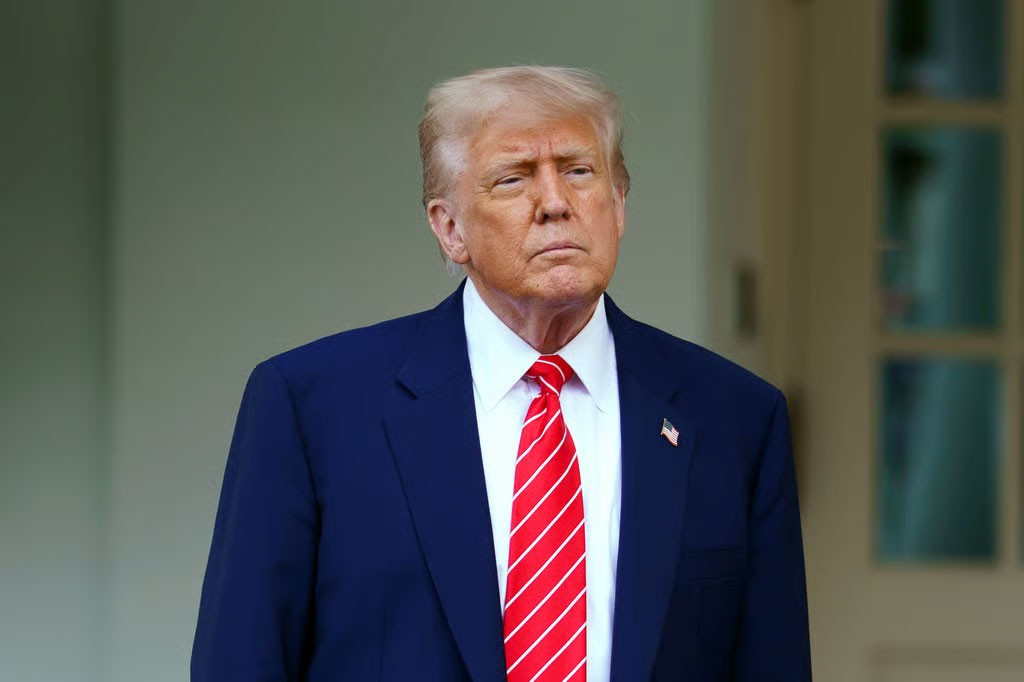
What makes the development particularly noteworthy is the division within the Republican Party. While many GOP lawmakers continue to defend the Trump administration’s aggressive trade posture, others have grown more cautious. Representatives from export-heavy states and manufacturing districts have voiced concerns that prolonged tariffs — even against allied nations — can disrupt supply chains, raise costs for businesses, and ultimately affect consumers.
Business leaders have also weighed in. Industry groups representing automotive manufacturers, agricultural producers, and construction firms have warned that tariffs on Canadian raw materials and intermediate goods can ripple through integrated North American supply networks. Given the deep economic interdependence between the two countries, even targeted measures can have wide-reaching impacts.
According to trade data, Canada consistently ranks among the top destinations for U.S. exports and a leading source of imports. Cross-border trade supports millions of jobs in sectors ranging from energy and agriculture to technology and heavy industry. Analysts note that while tariffs may provide short-term relief to specific domestic industries, they often introduce broader cost pressures throughout the economy.
The internal GOP debate reflects a larger philosophical question about the party’s future direction. In recent years, Republican trade policy has shifted away from traditional free-market principles toward a more protectionist stance emphasizing economic nationalism. However, not all party members agree that tariffs should remain a central pillar of that strategy — particularly when applied to longstanding allies like Canada.
Democrats, meanwhile, have expressed mixed reactions. Some support stronger congressional oversight of trade powers, while others are wary of appearing to weaken domestic industry protections. The bipartisan complexity underscores how trade policy rarely divides neatly along party lines.
Whether the measure gains further traction remains uncertain. Congressional procedures can be lengthy, and any substantive change would likely require negotiations across both chambers. Still, the quiet advancement of the proposal signals that Trump-era trade policies continue to shape legislative debates well beyond his time in office.
As lawmakers weigh economic data, political calculations, and diplomatic considerations, the outcome could influence not only U.S.–Canada trade relations but also the broader trajectory of American trade policy in the years ahead.