In an election cycle already defined by polarization, the boundary between politics, law and entertainment continues to blur. Late-night comedy, federal prosecutions and partisan media battles are increasingly converging into a single national conversation — one that raises fundamental questions about free speech, accountability and the role of public figures in shaping political narratives.
The latest flashpoints have emerged on multiple fronts. Allies of former President Donald Trump sought to question Special Counsel Jack Smith in what critics described as a tightly controlled setting. Supporters of the move characterized it as oversight. Opponents argued it resembled an attempt to create a “perjury trap” in a private deposition format. According to reports, Smith arrived prepared and maintained a measured tone throughout, declining to engage beyond the legal boundaries set by Department of Justice guidelines, particularly regarding sealed materials connected to the Mar-a-Lago documents investigation.
At the same time, political tensions spilled into the entertainment sphere. Trump has publicly criticized late-night hosts, including Jimmy Kimmel and others, describing them as partisan and “untalented.” The criticism intensified after jokes and commentary targeting Trump and Republican figures circulated widely online. Clips from these programs generated millions of views, fueling arguments about whether satire remains protected political expression or has crossed into partisan activism.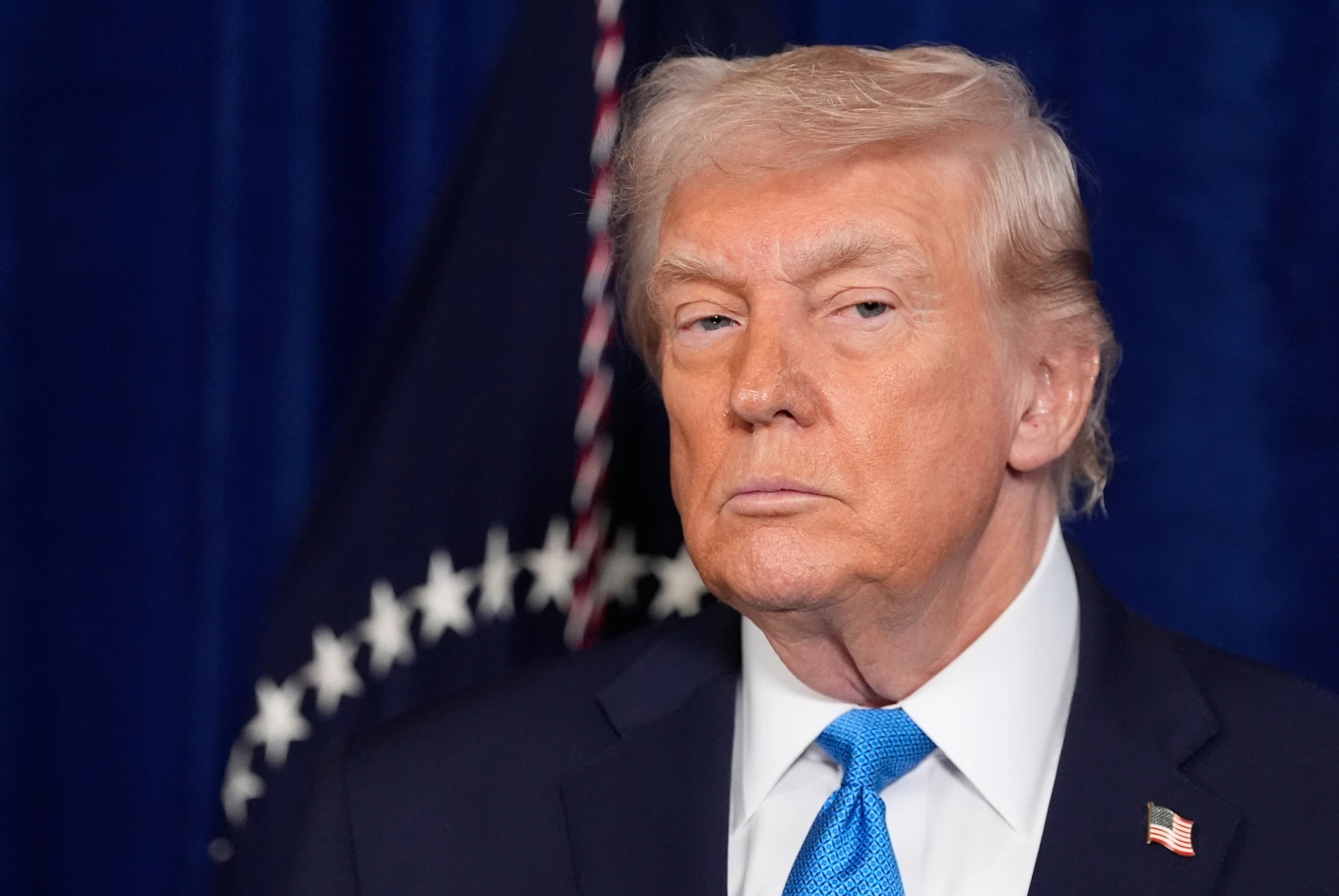
The debate escalated further when Federal Communications Commission Chairman Brendan Carr publicly commented on the broader issue of media standards and regulatory authority. His remarks prompted discussions about whether government officials should weigh in on entertainment programming at all. Broadcast networks and media companies faced scrutiny over their responses, with some programming adjustments described by observers as protective business decisions and by critics as evidence of political pressure.
Howard Stern and other media personalities entered the discussion, defending free expression and warning against what they characterized as intimidation tactics. Supporters of the comedians argued that satire has historically played a critical role in American political discourse. Critics countered that public figures should expect strong reactions when they engage in pointed political commentary.
Meanwhile, the legal proceedings involving Special Counsel Smith continue to unfold. Smith has been restricted from discussing certain sealed aspects of ongoing investigations, adding tension to any public questioning. Observers note that the interplay between courtroom strategy and public messaging has become a defining feature of the current political landscape. What might once have been confined to legal briefs is now debated in real time across cable news and social media platforms.
The broader narrative reflects a deeply polarized environment in which entertainment, journalism and governance intersect daily. Political figures leverage media platforms to shape perception. Comedians and commentators respond in kind. Legal proceedings become public spectacles. Each side frames the conflict differently: as accountability, censorship, resistance or retaliation.
Even outside politics, the atmosphere of heightened drama has been visible in other arenas. Sports headlines recently shifted to the Ryder Cup at Bethpage Black, where competitive tension briefly dominated public attention. The moment served as a reminder that not every national conversation revolves around Washington. Yet even these events are increasingly filtered through the same digital megaphones that amplify political controversy.
Ultimately, the current moment illustrates how power, perception and performance intertwine. Prosecutors defend institutional processes. Politicians rally supporters and challenge critics. Media figures test the boundaries of satire and commentary. And audiences, navigating a constant stream of viral clips and partisan narratives, are left to interpret events through competing frames.
As midterm campaigns accelerate, these conflicts are unlikely to subside. Whether viewed as a struggle over free speech, a test of legal accountability or a clash between politics and entertainment, the debate underscores a central reality of modern American life: public discourse now unfolds simultaneously in courtrooms, on television stages and across digital platforms — each shaping the other in real time.






