Clinton Accuses Trump Administration of ‘Continuing Cover-Up’ in Epstein Files Dispute
Former Secretary of State Hillary Clinton has publicly accused the Trump administration of slow-walking and redacting records related to Jeffrey Epstein, escalating an already volatile political and legal battle over transparency, accountability and the handling of sensitive investigative materials.
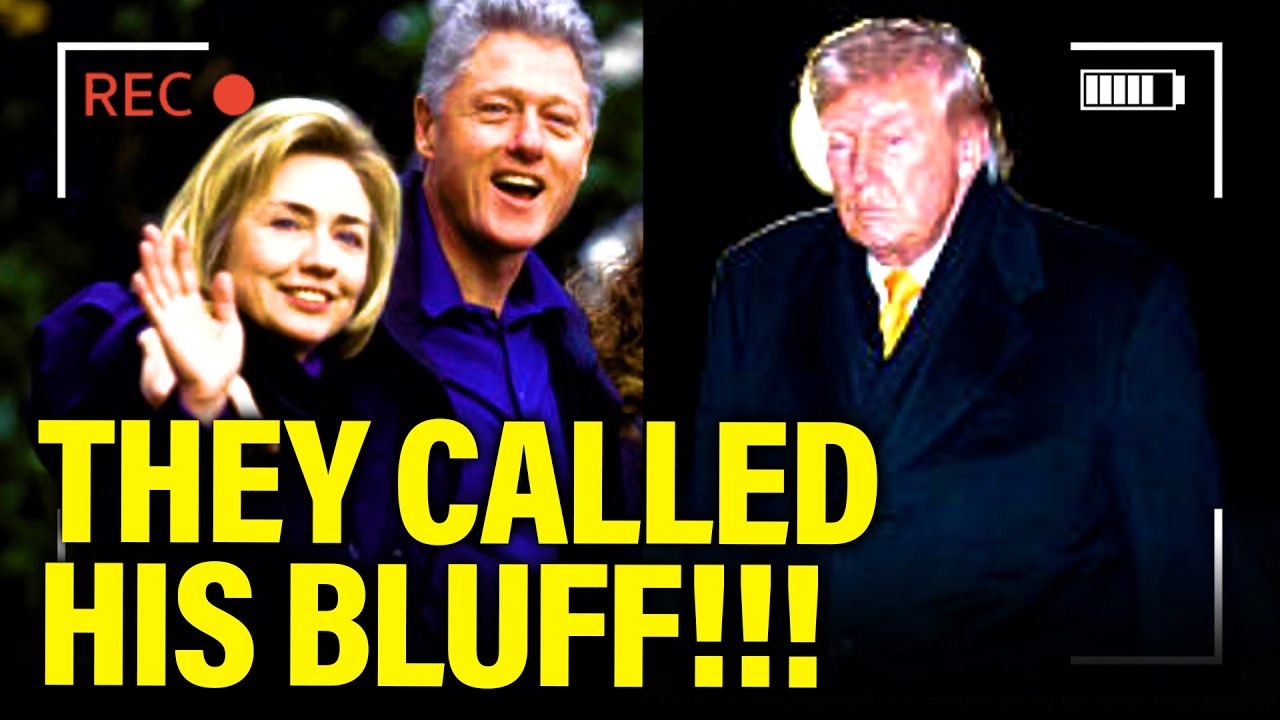
In an interview with the BBC at the Munich Security Conference, Clinton said a law passed by Congress requires the release of all files connected to Epstein. She argued that the administration’s handling of those records suggests a lack of full disclosure. “What we’re seeing,” she said, “is a continuing cover-up.” Clinton criticized what she described as evasive testimony from the attorney general during a recent hearing and called for immediate, comprehensive release of the documents, stating that “sunlight, not suppression, is the best path to accountability.”
Clinton’s remarks add fuel to a controversy that has increasingly divided political allies and critics alike. While the former president has repeatedly dismissed questions surrounding the Epstein files as politically motivated attacks or “a hoax,” the issue continues to generate scrutiny across party lines. Trump and his supporters have argued that Democratic figures, including Bill Clinton, deserve equal or greater examination over past associations with Epstein.
Bill Clinton has acknowledged flying on Epstein’s private plane in the early 2000s but has denied visiting Epstein’s private island or having knowledge of criminal activity. Hillary Clinton has now gone further, publicly offering to testify under oath and calling for any hearings to be televised. “If you want transparency,” she wrote in a message directed at House Oversight Committee Chairman James Comer, “let’s have it in public.”
The exchange reflects a broader struggle over narrative framing. Trump and several allies maintain that the controversy is being used to distract from policy achievements and electoral gains. In recent remarks, Trump described the renewed focus on Epstein as a manufactured political diversion. “The whole thing is a hoax,” he said during a press interaction, dismissing reports that internal meetings were being held to address the matter.
However, calls for transparency have come not only from Democratic figures but also from survivors and advocacy groups. Some have argued that moving past the issue without full disclosure undermines efforts to ensure accountability in cases involving powerful individuals. During recent testimony before Congress, survivors expressed frustration over what they described as evasive responses from officials when pressed about the pace and scope of document releases.
The attorney general’s recent congressional appearance drew criticism from both sides of the aisle after she declined to provide detailed answers regarding sealed materials. Observers noted that discussions frequently shifted to economic performance metrics, including the Dow Jones Industrial Average, rather than addressing specific questions about file disclosures. Critics described the testimony as insufficient, while supporters defended the administration’s compliance with legal limitations tied to ongoing proceedings.
The debate has also reignited partisan tensions. Some Republican commentators argue that media coverage disproportionately focuses on Trump while minimizing scrutiny of other political figures. Meanwhile, Democratic leaders emphasize that transparency demands should apply universally, regardless of party affiliation.
At the center of the dispute is the broader question of public trust. For many Americans, the controversy is less about partisan blame and more about whether government institutions are handling sensitive investigations with integrity. Polling suggests that voters across political lines express skepticism toward both major parties when it comes to elite accountability.
The dispute underscores how the Epstein case remains politically potent years after his death and Ghislaine Maxwell’s conviction. While legal proceedings related to sealed documents continue, the political fallout shows little sign of abating.
Clinton’s call for a public, televised process shifts the focus toward procedural openness. Whether that demand results in formal hearings remains uncertain. What is clear is that the controversy has evolved beyond individual allegations into a larger debate over transparency, political messaging and the responsibility of public officials to answer difficult questions in full view of the American public.






