Marjorie Taylor Greene Escalates Public Feud With Trump Over Epstein Files and GOP Strategy
A growing rift within the Republican Party burst further into the open this week as Representative Marjorie Taylor Greene intensified her public criticism of Donald Trump, accusing him and party leadership of mishandling the Epstein files controversy and failing to deliver tangible results for voters.
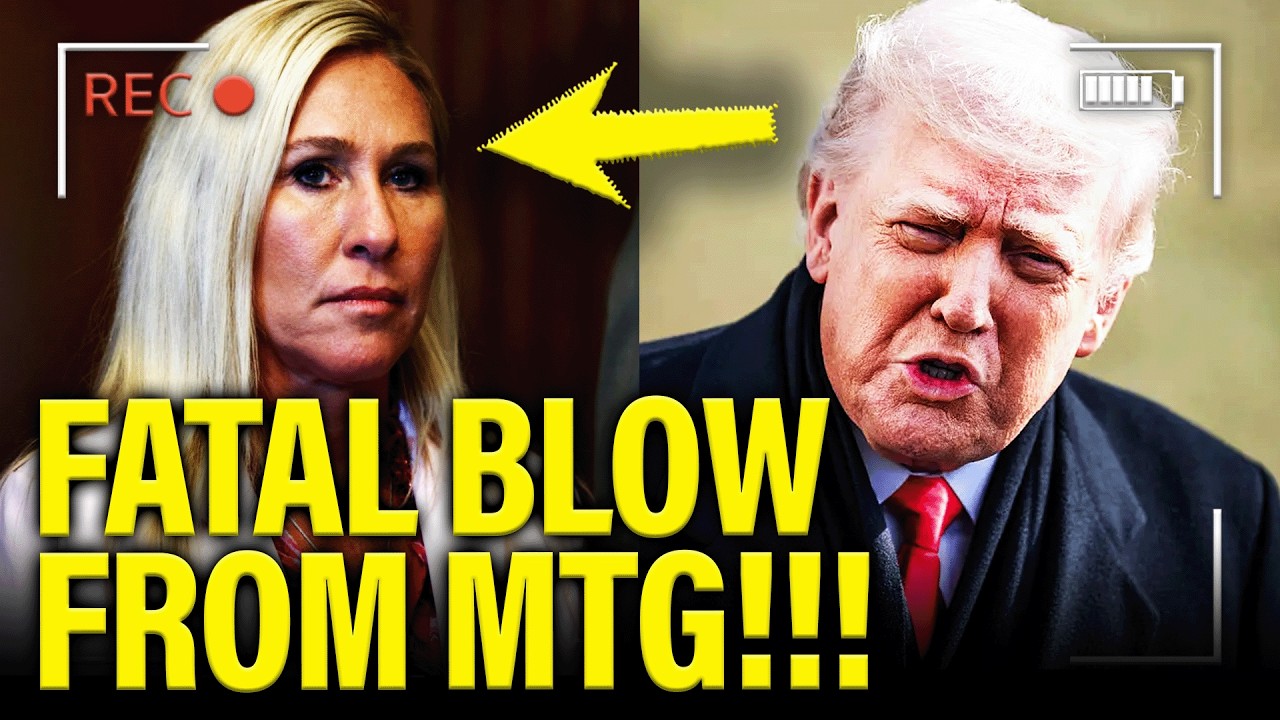
The clash escalated after Trump, speaking aboard Air Force One, suggested there were “many candidates” ready to replace Greene in Georgia’s 14th Congressional District and implied she was no longer aligned with his movement. Greene fired back on social media, rejecting the “traitor” label reportedly directed at her and calling it “a badge of honor.” She argued she refused to “cover up” issues related to the Epstein files and said she would not “bow to demands” that she views as shielding powerful individuals.

The dispute marks a striking turn for a lawmaker who was once among Trump’s most loyal allies in Congress. Greene has increasingly framed her criticism around transparency, particularly regarding the handling of documents connected to Jeffrey Epstein. In a series of posts, she argued that dismissing concerns about trafficking survivors or labeling the issue a “hoax” risks alienating key segments of the Republican base, especially women and younger voters.
Greene also amplified commentary from conservative podcasters and influencers who questioned the administration’s messaging strategy. In one widely shared clip, critics argued that economic talking points—such as stock market gains—do not address voter frustration over perceived lack of accountability. Greene endorsed the broader sentiment that “messaging won’t fix this” and urged party leaders to focus on substantive policy outcomes rather than rhetorical defense.
Beyond the Epstein controversy, Greene expanded her critique to domestic policy, particularly healthcare costs. She claimed that tens of thousands of households in her former district have faced rising premiums following changes to Affordable Care Act tax credits. According to Greene, the issue underscores what she describes as a disconnect between party leadership and everyday economic pressures facing constituents.

Trump allies responded sharply. Conservative activist Laura Loomer accused Greene of undermining Republican midterm prospects, while other pro-Trump commentators framed Greene’s criticisms as disloyalty to the movement. The back-and-forth has highlighted a broader internal tension: whether Republican candidates should prioritize unity behind Trump or pivot toward issues that resonate beyond the core base.
Political analysts note that Trump’s decision to hold an event in Greene’s former district could further test party cohesion ahead of the midterms. While Greene maintains she is not “in a cult” and insists respect must be earned through results, Trump continues to emphasize loyalty as central to the movement’s strength.
The public feud reflects deeper questions about accountability, strategy, and identity within today’s GOP. As debates over transparency, healthcare, and foreign policy intensify, the clash between Greene and Trump signals that the party’s internal divisions are no longer confined to private conversations—they are unfolding in full public view.






