Attorney General Faces Scrutiny After Contentious Hearing on Epstein Files; Late-Night Commentary Amplifies Debate
A heated congressional hearing involving Attorney General Pam Bondi has sparked renewed political controversy after a photograph taken during the session circulated widely online. The image appeared to show a printed page labeled with the name of Representative Pramila Jayapal, prompting allegations from some lawmakers and commentators that Justice Department staff may have reviewed materials accessed by members of Congress in a secure reading room related to the Epstein files.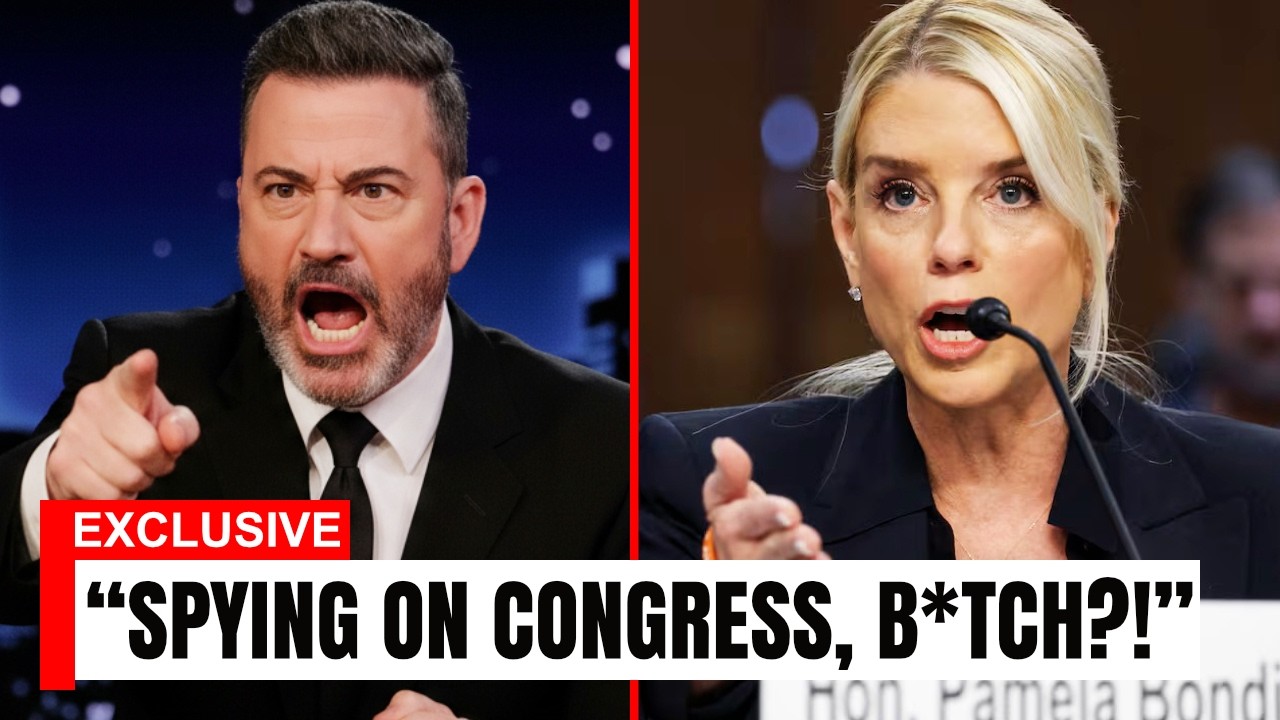
The Justice Department has not publicly confirmed claims that members were monitored, and no formal finding has been issued indicating improper surveillance. However, the photograph fueled accusations from critics who argued the department was attempting to gain insight into which documents lawmakers were examining. Supporters of the attorney general dismissed the claims as speculative and politically motivated.
During the hearing, Bondi repeatedly defended former President Donald Trump, calling him “the most transparent president in the nation’s history.” When pressed about the handling and redaction of files connected to Jeffrey Epstein, Bondi shifted the discussion toward broader economic indicators, including stock market performance. The pivot drew criticism from Democrats who argued the topic of the hearing concerned transparency and victims’ rights, not financial markets.

The tense exchange included a moment when lawmakers asked Bondi to acknowledge survivors present in the room. Video of the exchange quickly circulated online, intensifying debate over whether the department has adequately addressed concerns raised by victims and their advocates.
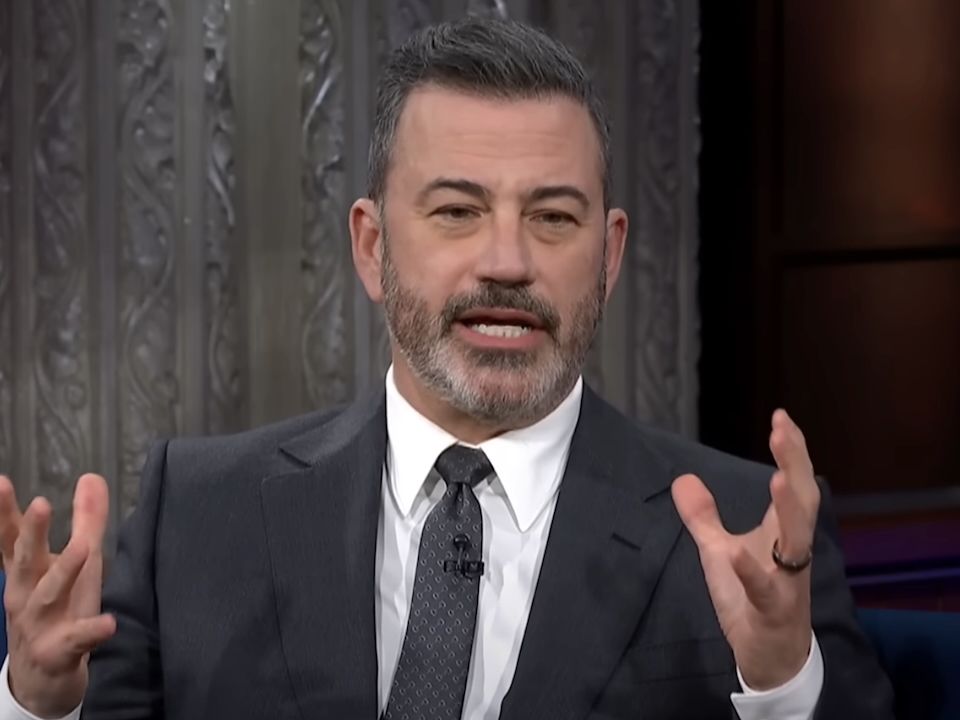
The controversy gained further traction after Jimmy Kimmel devoted a segment of his late-night program to the hearing. Kimmel criticized what he described as deflection and political theater, questioning why economic talking points were introduced during discussions of alleged misconduct and redactions. His commentary, widely shared on social media, contributed to the broader national conversation about transparency and accountability.
Republican lawmakers largely stood behind Bondi, arguing that redactions are necessary to protect ongoing investigations and the privacy of victims. Democratic members, meanwhile, continue to call for greater disclosure and clearer explanations regarding what information remains withheld and why.
The episode underscores the increasingly blurred lines between politics, legal oversight, and media commentary. As investigations and hearings continue, the debate over the Epstein files remains a flashpoint—one that reflects deeper partisan divisions over transparency, executive power, and public trust in federal institutions.