Trump’s Hanukkah Speech and the Late-Night Counterpunch: How Comedy and Politics Collided Again
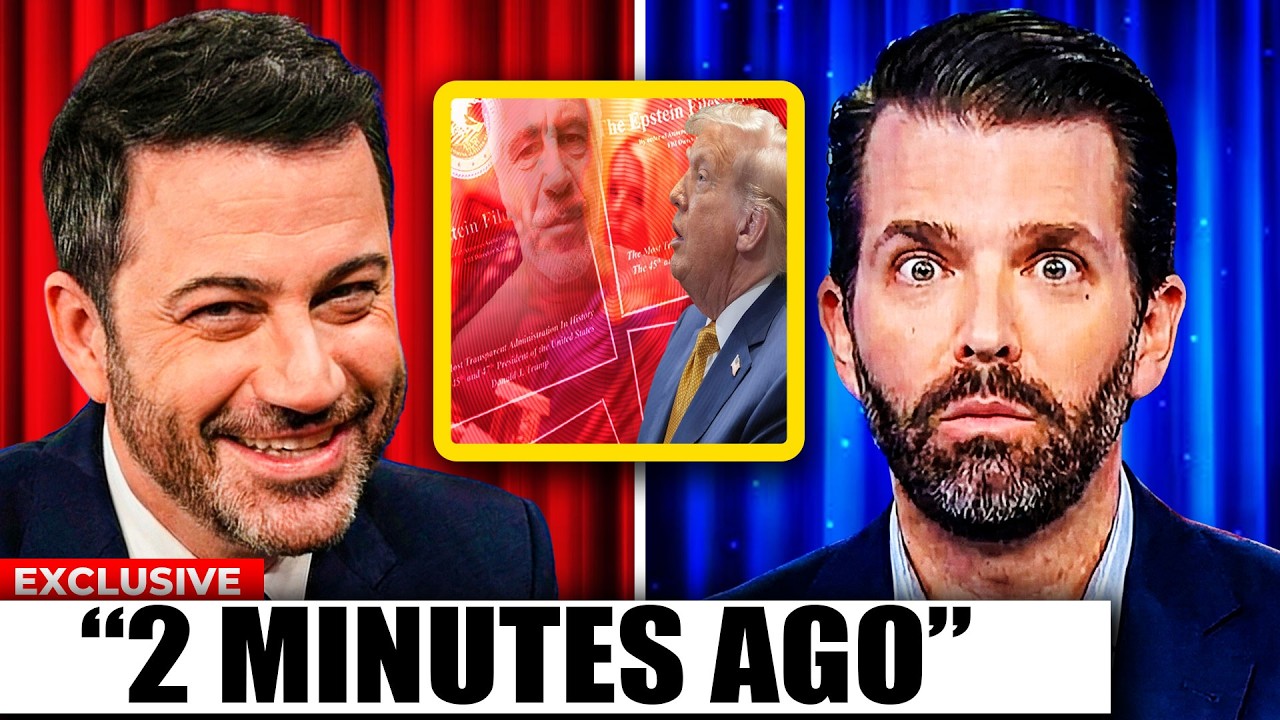
What began as a White House Hanukkah celebration quickly turned into one of the most widely circulated political moments of the week.
During remarks at the event, former President Donald Trump veered between policy boasts, personal praise for donors, and a lengthy discussion of what he described as a proposed $400 million ballroom renovation at the White House. At one point, he animatedly reenacted a military strike, repeating “bing bing” to mimic falling bombs — a moment that immediately spread across social media.
Critics called the speech unfocused. Supporters praised it as vintage Trump improvisation. But within hours, late-night television had already seized on it.
The Ballroom, the Market, and the Messaging
Trump described the ballroom project as something past administrations had wanted for over a century. He emphasized that donors — including prominent billionaire supporters — would fund it at no cost to taxpayers.
However, the timing raised eyebrows among commentators. Economic data released the same day showed unemployment ticking upward to 4.6%, while manufacturing indicators suggested contraction. The contrast between economic anxiety and discussion of a luxury ballroom became a focal point for critics.
Late-night host Jimmy Kimmel highlighted that contrast during his monologue, juxtaposing Trump’s remarks about glass walls and donor contributions with economic concerns facing ordinary Americans.
In today’s hyperconnected media cycle, such juxtapositions often travel further than the original speech itself.
Don Jr. as Recurring Punchline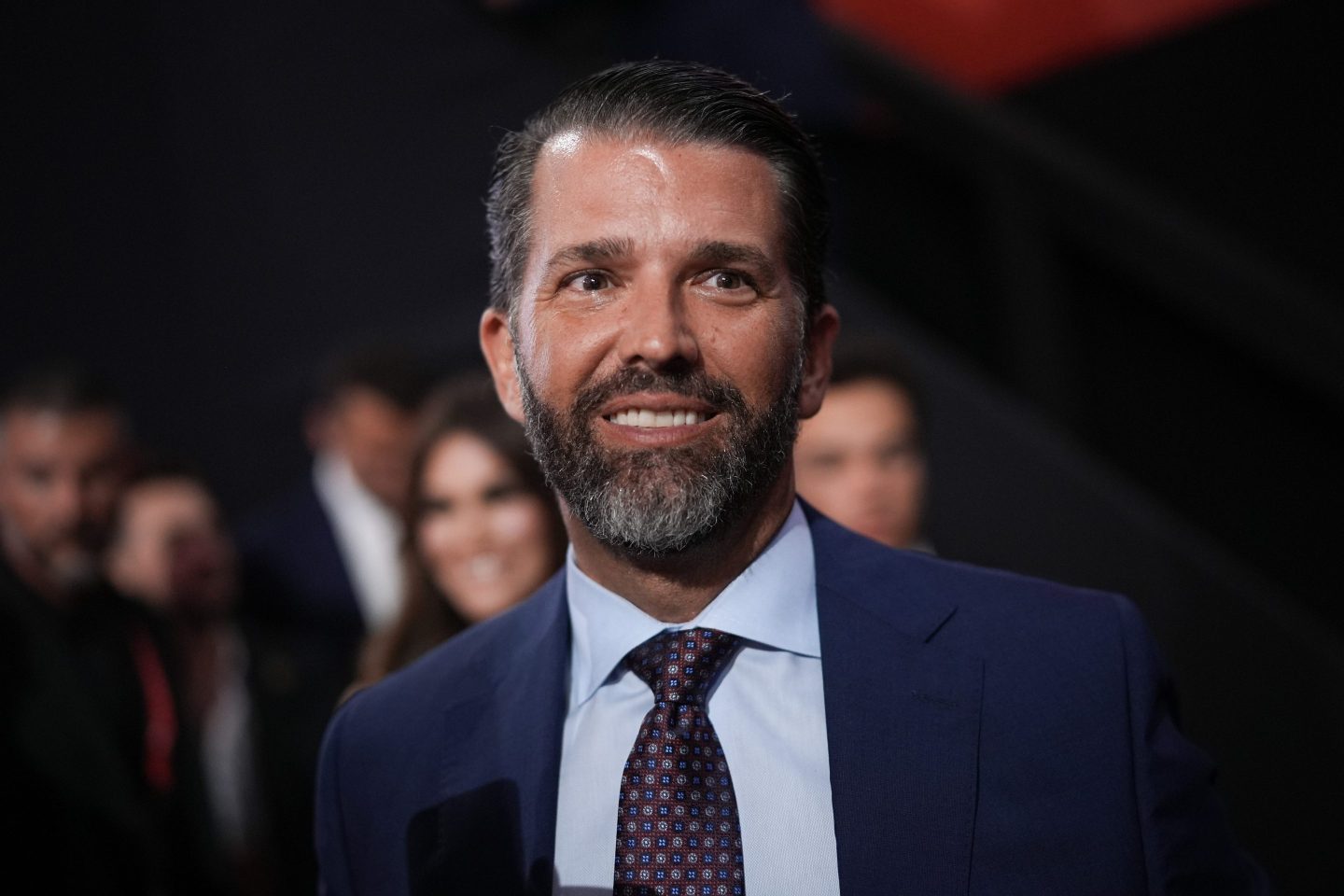
Donald Trump Jr., who has remained an outspoken defender of his father, once again became a target of late-night satire.
Over the past several years, Kimmel has frequently used Don Jr. as a symbol of political privilege and generational power. Rather than focusing solely on policy disagreements, the comedy has centered on branding, optics, and perceived attempts to cultivate a “man of the people” image.
One recurring theme in Kimmel’s jokes has been the contrast between Don Jr.’s elite upbringing and his social media persona — a critique that plays into broader national debates about authenticity in politics.
Late-night comedy has long relied on exaggeration, but the repeated framing has cemented Don Jr. as a recurring comedic character rather than simply a political surrogate.
Cultural Flashpoints and Manufactured Outrage
The segment also referenced a recent viral controversy involving a restaurant chain redesign, which drew commentary from conservative figures online. Kimmel used the episode to illustrate what he portrayed as selective outrage within the MAGA media ecosystem.
In the age of algorithm-driven engagement, cultural disputes often become symbolic battlegrounds. A logo change or corporate branding shift can quickly transform into a referendum on national identity.
Late-night hosts increasingly act as interpreters of these moments, reframing them through humor to shape broader narratives about political branding.
Rhetoric and Polarization
During the Hanukkah event, Trump also spoke about rising antisemitism and criticized progressive lawmakers by name. His remarks sparked immediate response from opponents, who argued that his rhetoric contributes to division rather than easing it.
Trump allies, meanwhile, have maintained that media outlets selectively amplify controversial fragments while ignoring broader policy points.
This dynamic — speech, viral clip, late-night response, partisan defense — has become predictable yet powerful. Each cycle reinforces existing narratives among supporters and critics alike.
The Larger Media Landscape
What makes this moment notable is not just a single speech or a single joke. It reflects a deeper transformation in political communication.
Late-night hosts are no longer peripheral commentators. They are active participants in shaping public perception. Clips from monologues often circulate more widely than the original political events they critique.
Meanwhile, political figures increasingly speak in ways designed to trigger viral reaction — whether from supporters or adversaries.
In that environment, the boundary between governance, branding, and entertainment continues to blur.
The Ongoing Battle for Narrative Control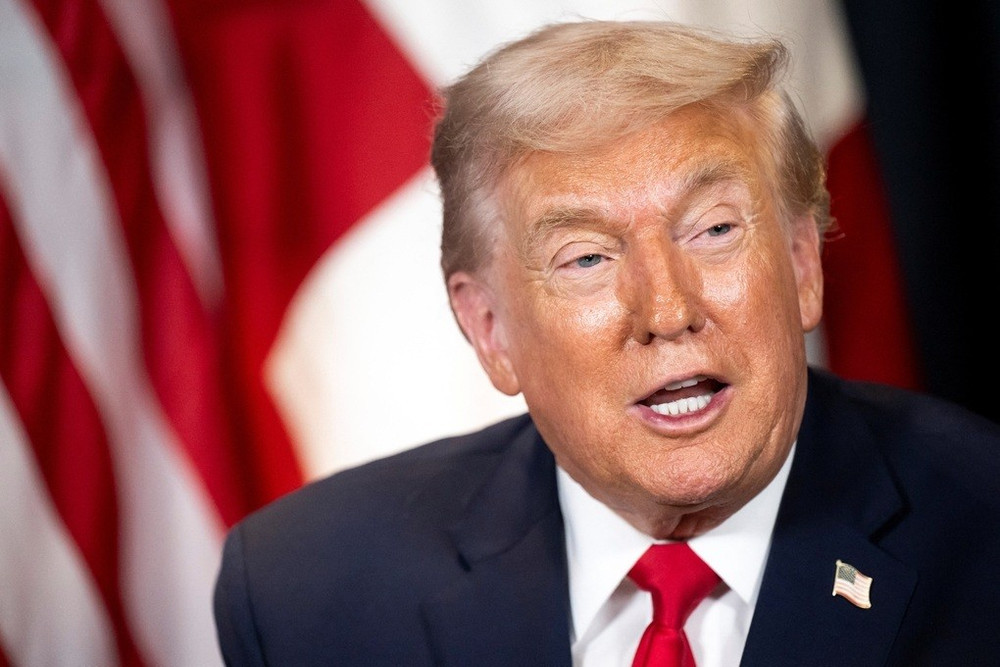
As the 2026 midterm cycle approaches, messaging battles are intensifying. Economic performance, cultural issues, and internal party tensions are all competing for voter attention.
Trump’s White House remarks may have been intended as celebratory and donor-focused. Instead, they became fuel for an ongoing media war — one in which satire plays as large a role as policy debate.
And if recent history is any guide, this cycle is unlikely to slow down anytime soon.






