Stadium Ovation for Obama Highlights Stark Cultural Contrast in American Politics
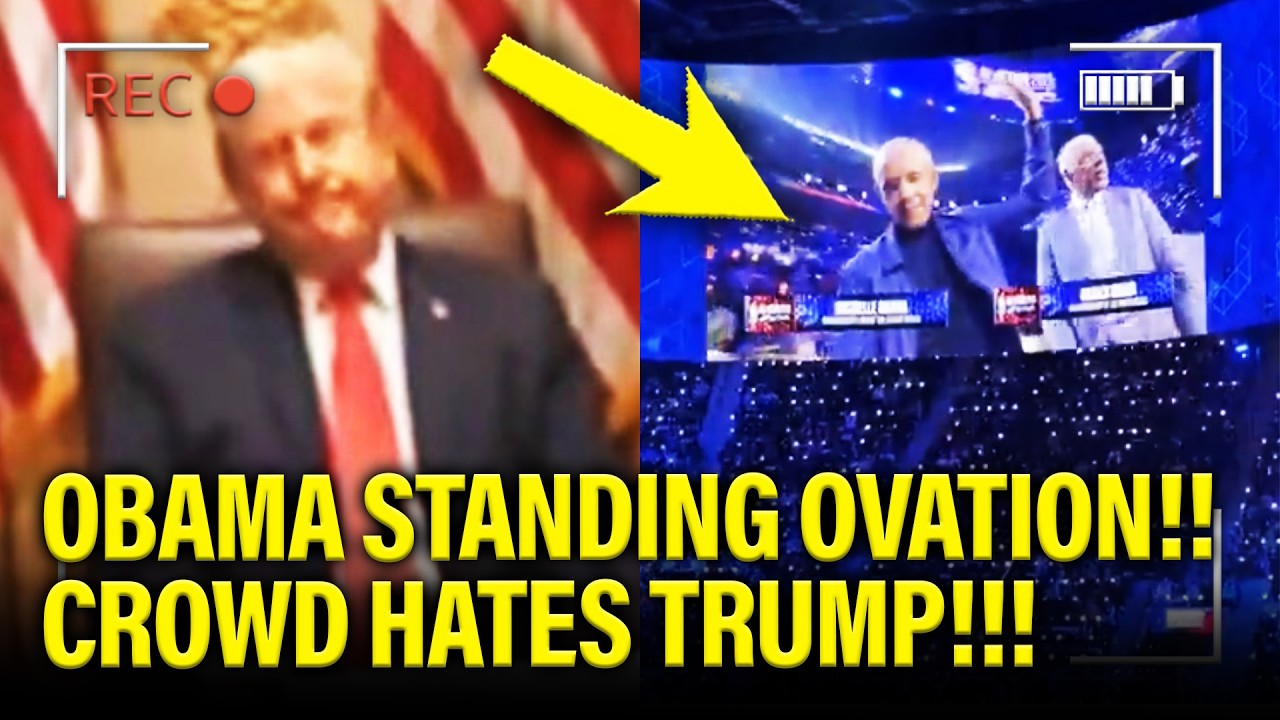
A moment at the NBA All-Star Game in Englewood, Los Angeles, quickly became more than just a sports highlight. When former President Barack Obama appeared on the jumbotron, the arena erupted into a standing ovation.
The applause was loud. Sustained. And unmistakable.
For many watching, the moment underscored something deeper than celebrity nostalgia. It reflected a cultural contrast — a reminder that, years after leaving office, Obama still commands widespread admiration in public spaces that extend far beyond politics.
Meanwhile, former President Donald Trump spent the weekend posting sharp attacks on critics and revisiting old grievances on social media — a pattern that continues to define his political presence.
The Optics: Ovations vs. Outbursts

At the All-Star Game, the Obamas smiled, waved, and appeared relaxed. Athletes spoke openly about their admiration. Minnesota Timberwolves star Anthony Edwards even said playing in front of Obama added motivation.
In contrast, Trump’s online activity focused on critics, media personalities, and political opponents. His posts included lengthy rebuttals to comedian Bill Maher and renewed attacks on Democratic lawmakers.
The visual split — an arena standing in applause for one former president while another trades barbs online — has become symbolic for many Americans of the broader divide in tone and style.
Obama’s Message: Unity Through Culture

In a recent interview, Obama addressed the state of political discourse, acknowledging what he described as a “clown show” atmosphere in parts of social media and cable television.
He emphasized that, in his view, most Americans still value decency and shared humanity. Sports, music, and art, he argued, remain powerful forces capable of bringing people together.
“Sports can bring the world together,” Obama said, pointing to moments at the Olympics and in international competition that transcend politics.
His Valentine’s Day message to Michelle Obama — “Celebrated Valentine’s Day with my forever dance partner” — reflected a tone consistent with his public brand: personal warmth, optimism, and unity.
Trump’s Approach: Confrontation and Counterattack
Trump’s response style remains confrontational. He continues to reject criticism, attack opponents, and frame political disputes as existential battles.
His supporters argue that this blunt style is authentic and unapologetic. Critics contend it deepens division and distracts from substantive issues.
The contrast was especially visible over the weekend: while Obama spoke about shared humanity through sports, Trump focused on voter ID battles, media criticism, and partisan grievances.
Culture as Political Currency
Moments like the All-Star Game ovation may not change elections on their own, but they reflect an important dynamic in modern politics: cultural relevance.
Public affection, especially in non-political settings like sporting events, carries symbolic weight. It signals broader sentiment that isn’t filtered through campaign ads or partisan messaging.
For Trump, who has long positioned himself as a dominant cultural force, such public displays for political rivals are notable.
For Obama, the moment reinforced his enduring popularity — even among younger audiences who were children during his presidency.
The Larger Question
The standing ovation wasn’t just about nostalgia. It raised a broader question:
What kind of political presence resonates most with Americans today — confrontation or composure? Spectacle or steadiness? Conflict or connection?
In a deeply divided political climate, the answer may determine more than applause.