Goldman Presses Patel on Trump’s Name in Epstein Files as Grand Jury Testimony Questions Resurface
A tense exchange unfolded on Capitol Hill when Rep. Daniel Goldman questioned Kash Patel about whether Donald Trump appears in documents related to Jeffrey Epstein.
“The question is simple,” Goldman said. “Does Donald Trump appear anywhere in the Epstein files?”
Patel initially asked for the question to be repeated, then responded that the Department of Justice had released all material it is “legally allowed” to disclose, including instances where Trump’s name appears.
Goldman pressed further, referencing Federal Rule of Criminal Procedure 6(e), which governs grand jury secrecy, and asked what other legal barriers prevent full disclosure. Patel replied that grand jury restrictions are “a piece of it,” but did not specify additional categories of withheld material.
The exchange reignited scrutiny not only over Epstein-related disclosures but also over Patel’s prior grand jury testimony in the classified documents investigation involving Trump’s Mar-a-Lago residence.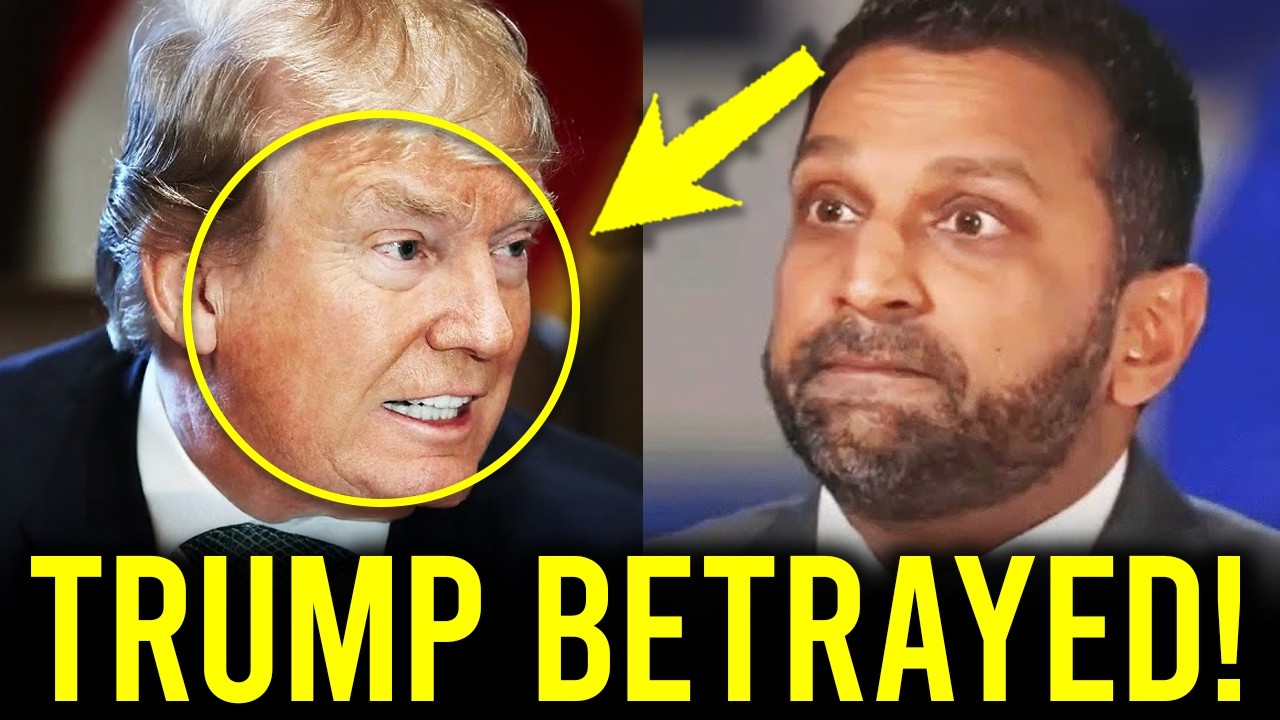
Patel’s Role in the Classified Documents Case
Before serving in senior national security roles, Patel was a vocal public defender of Trump, particularly during the investigation into classified materials found at Mar-a-Lago. On television appearances, Patel supported claims that Trump had declassified documents prior to leaving office.
When subpoenaed to testify before a federal grand jury investigating the documents matter, Patel initially invoked the Fifth Amendment, declining to answer questions to avoid potential self-incrimination.
However, the Department of Justice later sought and obtained a use-immunity order from Chief Judge Beryl Howell. Under such an order, a witness must testify, but the testimony cannot be used against the witness in a criminal prosecution. It can, however, be used against others.
Legal experts note that immunity orders are often used when prosecutors believe a witness possesses relevant information but is reluctant to testify voluntarily.
What Did Patel Say Under Oath?
Grand jury proceedings remain sealed, and Patel has declined to publicly detail his testimony, citing secrecy rules. During his Senate confirmation hearing, he deflected questions about whether he told the grand jury that Trump had formally declassified the documents at issue.
When asked directly whether he testified that Trump declassified the materials, Patel responded that the transcript “is the best evidence” of what he said and indicated willingness to work with the department to seek its release.
A federal court has denied media efforts to unseal the transcript thus far.
Because grand jury testimony is confidential, no official public record confirms the substance of Patel’s sworn statements. Any claims regarding contradictions between his public comments and his testimony remain unverified unless the transcript is released.
Why Immunity Matters
Under federal law, prosecutors can compel testimony by granting use immunity. Once granted, a witness cannot refuse to answer based on the Fifth Amendment.
Former prosecutors explain that immunity can be strategically significant. If a witness previously made public statements that differ from sworn testimony, that discrepancy could affect credibility at trial.
At the same time, immunity does not imply wrongdoing by the witness; it is a procedural tool to obtain information.
Epstein File Disclosure Debate
The hearing exchange also touched on ongoing public interest in documents related to Epstein. Several court orders limit disclosure, including:
-
Grand jury secrecy protections under Rule 6(e)
-
Court-sealed investigative materials
-
Privacy protections for victims and uncharged individuals
Patel maintained that all legally releasable information has been disclosed.
Critics argue that more transparency is needed. Supporters counter that legal constraints, not discretion, govern what can be released.
Political and Legal Stakes
The broader political context adds intensity to the exchange. Trump has consistently denied wrongdoing in both the Epstein matter and the classified documents case.
The classified documents prosecution centers on whether classified materials were improperly retained and whether obstruction occurred. Trump has argued that he had authority to declassify documents and that the case is politically motivated.
If Patel’s grand jury testimony addressed declassification claims in detail, its content could become relevant in future proceedings — but until unsealed, that remains speculative.