A Federal Judge Draws a Line on Presidential Power Over State Troops
The ruling arrived without theatrics, but its implications were unmistakable.
In a sharply worded opinion issued this week, Judge Troy L. Nunley, a federal judge in California, ordered that National Guard units deployed under federal authority be returned to the control of the state, dealing a significant blow to President Trump’s effort to assert prolonged command over California’s Guard forces. The decision rejected the administration’s legal theory as inconsistent with both statutory limits and constitutional tradition.
At the center of the dispute was a fundamental question: under what circumstances may a president convert state National Guard troops into a federal force and use them for domestic security purposes?
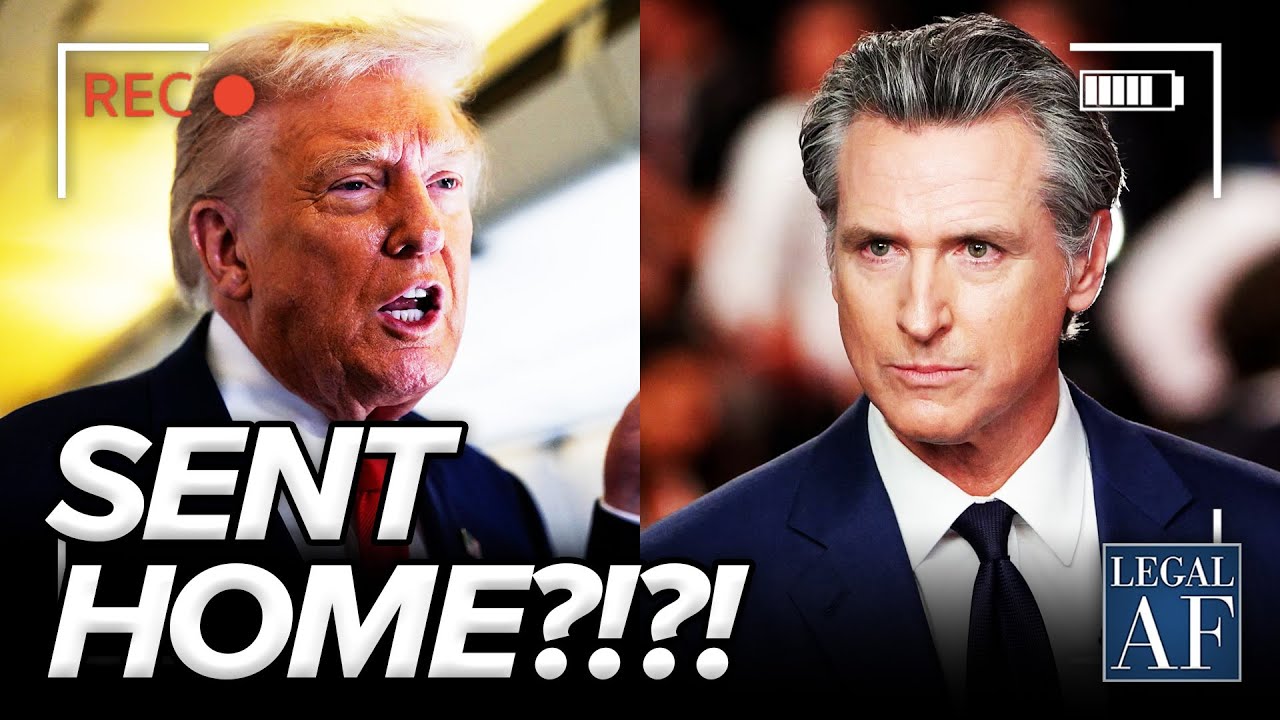
The Trump administration argued that ongoing protests and generalized unrest justified extended federalization, even months after the most volatile demonstrations had subsided. Judge Nunley was unconvinced. Peaceful protest, he wrote, even when disruptive, does not amount to rebellion, nor does it meet the threshold required to justify the extraordinary step of federalizing state military forces.
The ruling was welcomed by Governor Gavin Newsom, who had repeatedly challenged the deployment as unnecessary and unlawful. In a statement following the decision, Newsom framed the issue as one of federalism rather than partisanship. “The National Guard belongs to the people of California,” he said, “not to the political ambitions of any president.”
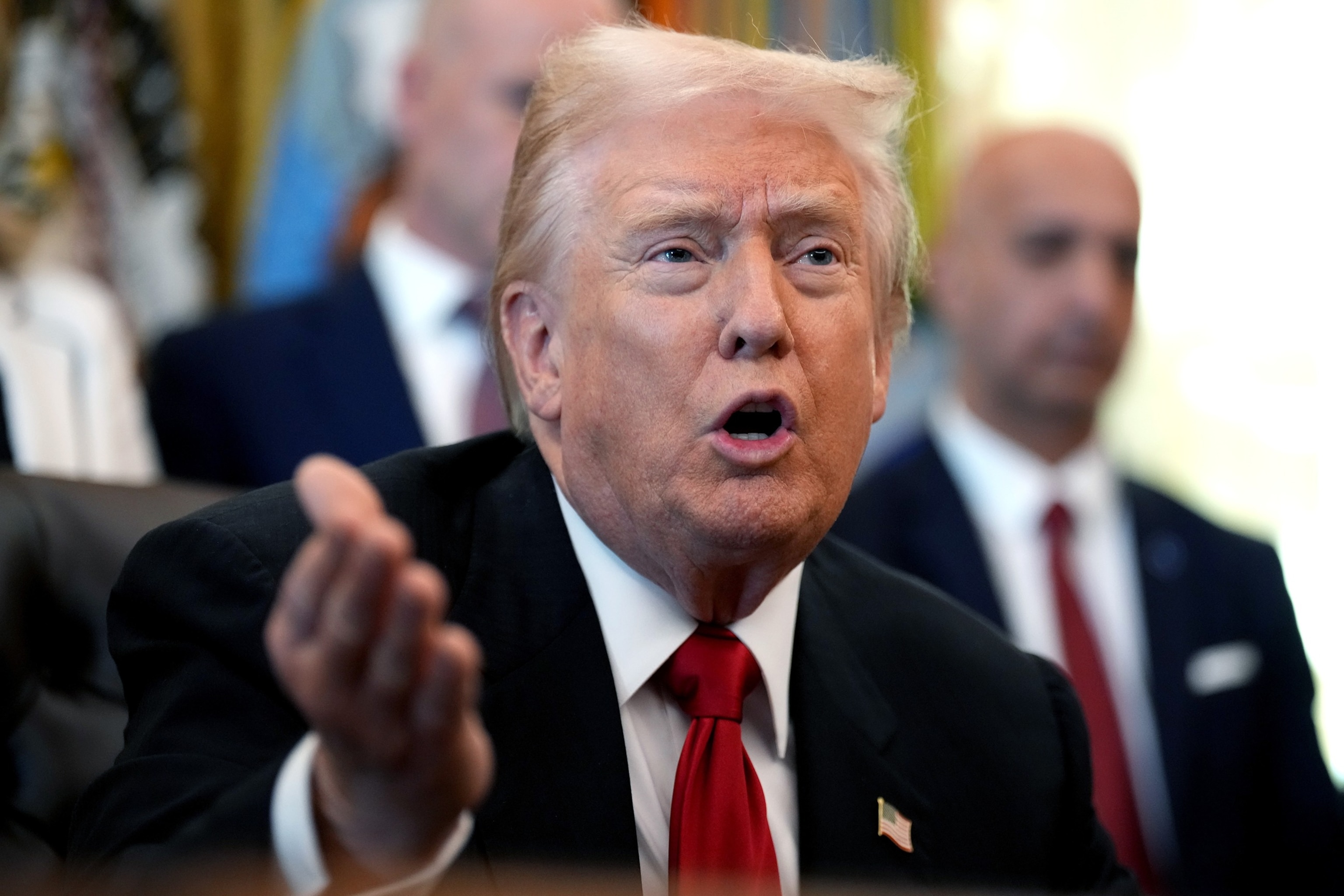
Legal scholars noted that Judge Nunley’s opinion went further than merely resolving a dispute over troop numbers. It directly confronted the administration’s broader claim that such decisions were effectively unreviewable by the courts. That argument, the judge warned, risked creating a precedent in which a president could maintain a standing domestic force indefinitely, insulated from judicial oversight.
Such a theory, he wrote, would erode the principle embedded in the Posse Comitatus Act, which limits the use of military forces in civilian law enforcement. The act, passed in the aftermath of Reconstruction, reflects a long-standing American distrust of military involvement in domestic policing. Judge Nunley emphasized that exceptions to this rule must be narrowly construed, not expanded through circular reasoning.
That reasoning — that federalization itself created the conditions justifying its continuation — drew particular criticism in the opinion. If accepted, the judge argued, it would create a feedback loop in which presidential power could perpetuate itself without meaningful checks.

Behind the scenes, according to people familiar with the litigation, even some career government lawyers expressed concern about the breadth of the administration’s position. One former Justice Department official, speaking on condition of anonymity, described the argument as “legally aggressive in a way that invites backlash.”
The reaction beyond the courtroom was swift. Civil rights organizations praised the ruling as a defense of democratic norms. Conservative commentators criticized it as judicial overreach. Clips of the judge’s language circulated widely online, fueling debate about the limits of executive authority. The decision quickly became a flashpoint in a broader national conversation about the role of the military at home.
Administration officials signaled that an appeal to the Ninth Circuit Court of Appeals was likely, and legal analysts expect the issue could eventually reach the Supreme Court. If so, the case would test how far courts are willing to go in restraining a president’s claims of emergency power.

For Governor Newsom, the ruling reinforced his broader political posture as a defender of state autonomy against federal intrusion. For Judge Nunley, it placed him squarely in a lineage of jurists who have insisted that even claims made in the name of security must remain subject to judicial scrutiny.
What emerges most clearly from the opinion is a reaffirmation of an old idea: that the use of military force within the United States is not merely a matter of executive discretion, but a constitutional question demanding restraint.
As the legal battle continues, the ruling stands as a reminder that the balance between security and liberty is not resolved through force alone, but through law — and that, even in moments of political tension, the courts remain a forum where power is tested rather than assumed.






