Scrutiny Mounts Over Trump Administration’s Economic Claims as Fact-Checks Reveal Exaggerations
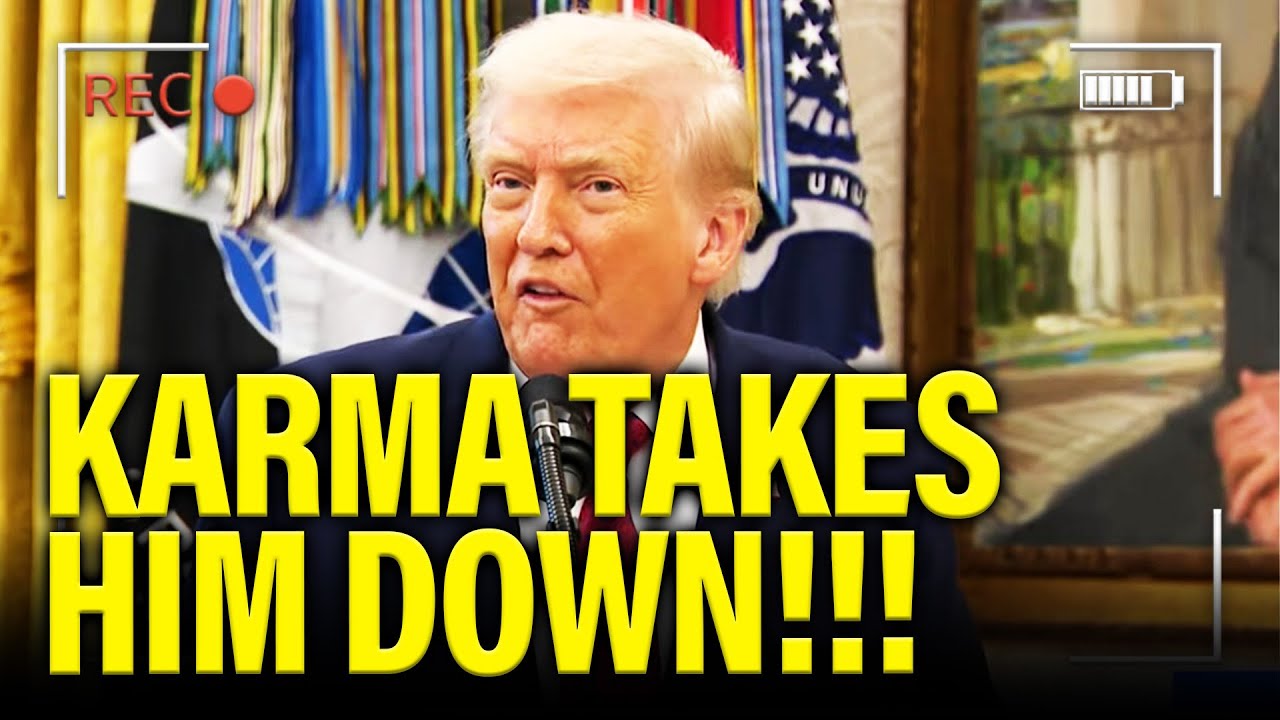
President Donald J. Trump’s repeated assertions of transformative economic success — including commitments of trillions in new investments and swift declines in inflation — have come under intense examination in recent days, with independent analyses and fact-checks painting a picture of significant overstatement that has unsettled allies within his own party and prompted defensive responses from key aides.
The latest scrutiny centers on Mr. Trump’s claims during a prime-time address earlier this week, in which he touted “over $18 trillion” in secured investments flowing into the United States, crediting his tariff policies and deregulation efforts. Yet, as of mid-December, the White House’s own website listed the figure at $9.6 trillion — a number that experts, including a detailed review by CNN analysts, have described as inflated, encompassing vague pledges, bilateral trade discussions rather than direct U.S. investments, and statements that fall short of firm commitments.
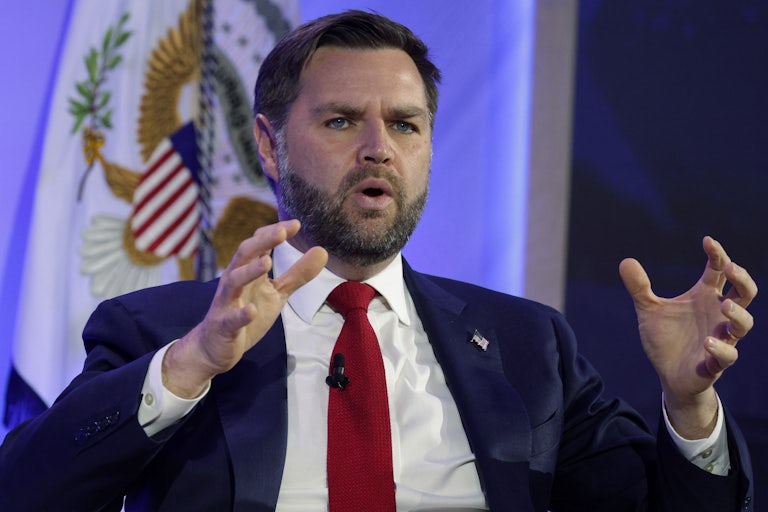
The discrepancy has rippled through Washington, where insiders describe a growing unease among senior officials. Vice President JD Vance, often seen as the administration’s most disciplined messenger on economic matters, has taken to the road to defend the record. In a speech in Pennsylvania this week, Mr. Vance acknowledged persistent affordability concerns while insisting on patience. “We inherited a nightmare of an economy from Joe Biden,” he told a crowd at a manufacturing facility, his voice steady but tinged with frustration. “Real progress is coming — wages are rising, jobs are returning — but these things take time.” When pressed by reporters on the latest jobs report showing unemployment ticking up to 4.6 percent, Mr. Vance flashed a defiant smile: “I’d give this economy an A+++.”
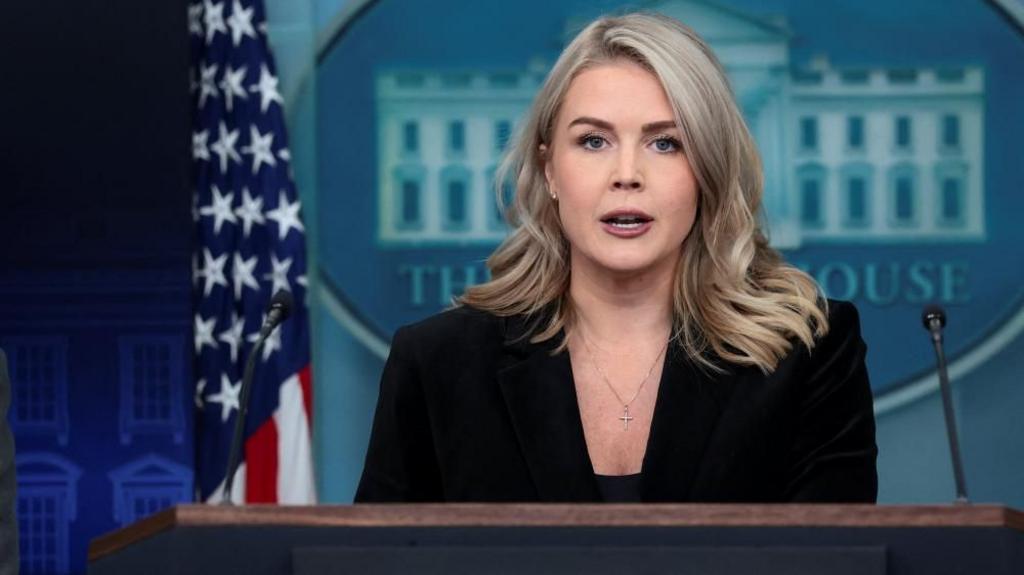
Back at the White House, Press Secretary Karoline Leavitt has adopted a more combative tone, dismissing critiques as partisan attacks. In a briefing room exchange that drew sharp reactions, Ms. Leavitt brushed aside questions about grocery prices — which remain elevated despite administration claims of declines — declaring the latest data “strong” and evidence that “President Trump is fixing the damage caused by Joe Biden in record time.” Her expression hardened as she added, “To anyone doubting on Wall Street: Trust in President Trump. His proven formula is working.” Yet privately, aides concede the messaging has been challenging, with one describing Ms. Leavitt’s daily briefings as a “tightrope walk” between optimism and acknowledgment of lingering pain points.
The exaggerations extend beyond investments. Mr. Trump has claimed inflation was at historic highs upon his return to office and has since plummeted under his watch, alongside assertions of ending multiple wars and slashing drug prices by impossible percentages. Fact-checkers have noted that inflation stood at around 3 percent in early 2025, far from record levels, and recent upticks in goods prices have been linked directly to tariffs by Federal Reserve officials.
Wall Street, initially buoyant over deregulation promises, has grown wary. While stocks have hit records amid anticipation of tax cuts, analysts warn that sustained tariff pressures could fuel inflation and slow growth. One economist, speaking on condition of anonymity, likened the administration’s claims to “echoes of overconfidence seen before past corrections,” evoking cautious parallels to the speculative excesses preceding the 1929 crash — though emphasizing the differences in today’s regulated markets.
Within the administration, the revelations have sparked quiet recriminations. Sources say Mr. Vance, in private conversations, has urged a more nuanced approach, wary of alienating moderate voters frustrated by costs. Ms. Leavitt, loyal and unflinching, has doubled down, viewing skepticism as fuel for the base. Mr. Trump himself, according to those close to him, remains convinced of his narrative, dismissing discrepancies as “fake news accounting.”
As the year ends, polls show deepening public skepticism: A majority now disapprove of Mr. Trump’s handling of the economy, with affordability topping concerns. Democratic critics have seized on the fact-checks, while some Republicans privately worry about midterm implications.
The episode underscores a broader tension in Mr. Trump’s second term: a bold vision clashing with verifiable metrics. Whether the administration adjusts its rhetoric — or doubles down — may shape not just economic perceptions, but political fortunes in the months ahead.






