Newly Released FBI Summary Describes Trump Warning Police About Epstein in 2006
Meanwhile, Eric Trump’s Testimony in New York Civil Fraud Trial Raises Questions About Financial Oversight
February 2026 — Two separate but significant developments involving former President Donald Trump and his family are drawing renewed public attention: newly released FBI interview notes regarding Trump’s past comments about Jeffrey Epstein, and testimony from Eric Trump in the ongoing New York civil fraud trial against the Trump Organization.
FBI Document: Trump Warned Police About Epstein
According to a recently unsealed FBI interview summary, Trump allegedly contacted Palm Beach police in the summer of 2006 to express concern about Jeffrey Epstein. The document states that Trump told then–Palm Beach Police Chief Michael Reiter, “Thank goodness you’re stopping Jeffrey Epstein. Everyone has known he’s been doing this.”
The summary further indicates that Trump said individuals in New York had long viewed Epstein as “disgusting,” and that Trump had removed Epstein from Mar-a-Lago after finding his behavior inappropriate. The document also notes that Trump described Ghislaine Maxwell as “evil” and urged investigators to focus on her.
The account, if accurate, aligns with statements Trump has made in recent years that he distanced himself from Epstein well before the financier’s 2019 arrest.
However, Trump previously told reporters in 2019, “I had no idea” about Epstein’s misconduct when asked about the case. The FBI document’s description of a 2006 conversation adds nuance to that earlier public statement.
The former Palm Beach police chief declined to comment to NBC News but reportedly confirmed to the Miami Herald that he did speak with Trump during the 2006 investigation.
The document does not allege wrongdoing by Trump, nor does it indicate he was under investigation in connection with Epstein’s crimes.
Eric Trump’s Testimony in Civil Fraud Trial
Separately, Eric Trump took the stand in the New York civil fraud case brought by Attorney General Letitia James against the Trump Organization.
The lawsuit alleges that the organization inflated property valuations over several years in order to secure favorable loan and insurance terms. The Trumps deny wrongdoing and argue that financial statements relied on professional accountants and reflected permissible valuation methodologies.
Strategy: Distance From Financial Statements
During testimony, Eric Trump initially asserted that his role focused primarily on construction, property management, and operational oversight — not on preparing or reviewing annual financial statements.
He testified that he had “nothing to do” with the accounting side of the business and was not directly involved in compiling his father’s financial disclosures.
Email Evidence Presented
Prosecutors then introduced emails from longtime Trump Organization controller Jeffrey McConney. In one exchange, McConney wrote directly to Eric Trump while preparing Donald Trump’s annual financial statement and requested specific property information.
Eric Trump acknowledged responding to the email and providing requested details.
Under questioning, he stated that while he knew McConney was working on financial documents, he did not believe the information he supplied would be incorporated into the statements at issue in the fraud case.
Observers in the courtroom reported that prosecutors emphasized this exchange to argue that senior executives were more directly involved in the financial reporting process than previously suggested.

Valuation Discrepancies at Issue
Testimony from an independent appraiser earlier in the trial indicated that certain Trump properties were valued significantly higher in official financial statements than the appraiser’s estimates.
The state argues that these discrepancies demonstrate intentional inflation of asset values.
The defense maintains that real estate valuation involves subjective assessments and that financial statements included appropriate disclaimers.
What Is at Stake
This is a civil case, not a criminal prosecution. However, the potential consequences are substantial.
Attorney General James is seeking:
-
Significant financial penalties
-
Disgorgement of alleged profits
-
Restrictions on Donald Trump and his sons serving as corporate officers in New York
-
Possible cancellation of business certificates for certain Trump entities
The defense argues that the case represents an overreach and disputes both the methodology and the conclusions of the state’s valuation claims.
Broader Implications
Eric Trump’s testimony could influence how the judge evaluates:
-
Executive knowledge of financial reporting
-
Intent behind asset valuations
-
Credibility of the “accountants handled it” defense
The presiding judge will determine liability and potential penalties following completion of testimony and closing arguments.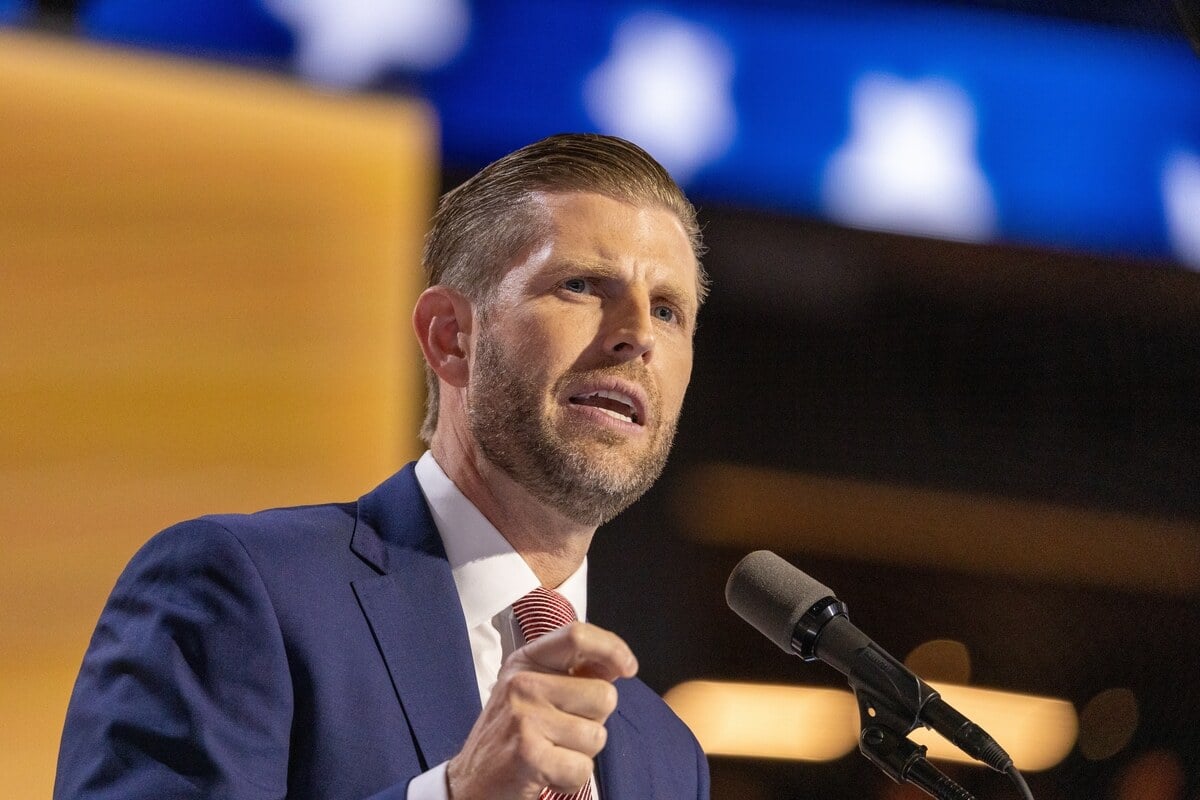
Two Narratives, Two Legal Arenas
The Epstein document release and the New York civil fraud trial are unrelated legal matters, but together they place renewed scrutiny on the Trump family’s past business and social connections.
The Epstein document suggests Trump warned authorities years before Epstein’s conviction.
The civil trial, meanwhile, centers on whether the Trump Organization’s leadership knowingly approved inflated financial statements.
As both stories continue to unfold, legal outcomes — not public commentary — will ultimately determine their long-term impact