DOJ Declares Epstein Review Closed — But Congressional Clash Raises New Questions
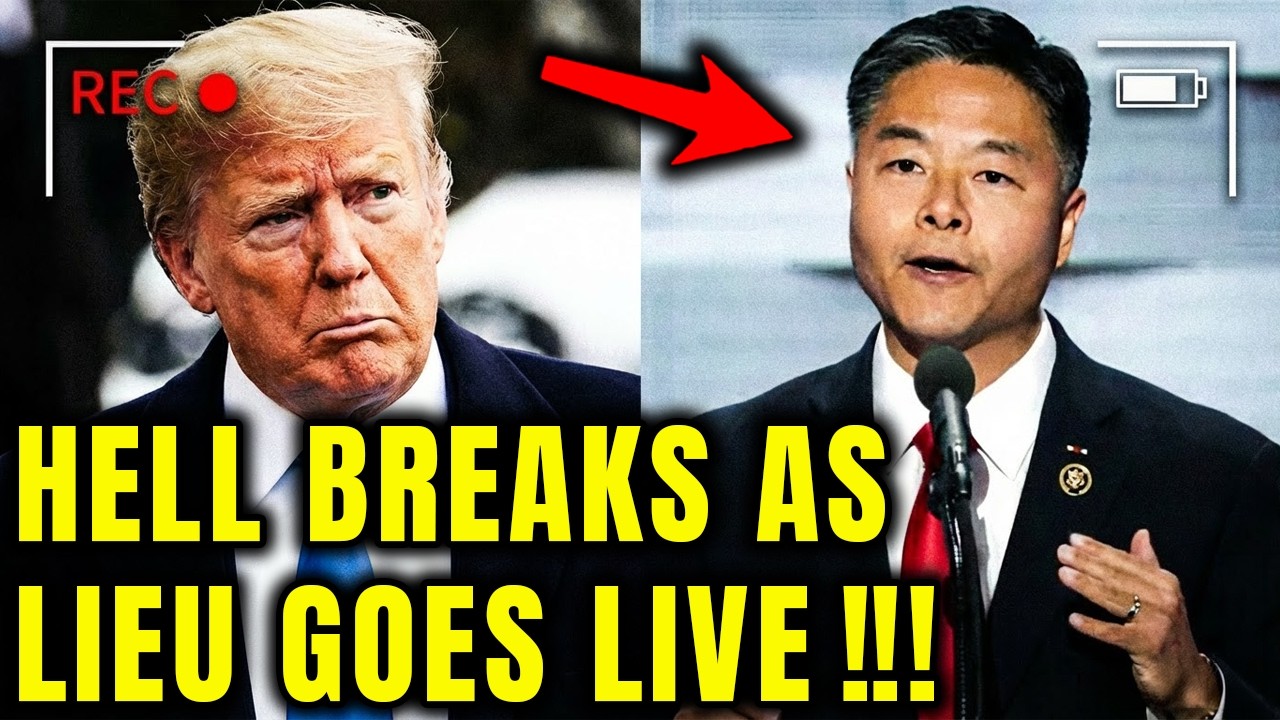
On February 2, 2026, Deputy Attorney General Todd Blanche announced that the Department of Justice had completed its review of the Epstein files and determined that no further prosecutions were warranted.
Eight days later, the issue erupted publicly during a House Judiciary Committee hearing.
Representative Ted Lieu confronted Attorney General Pam Bondi with what he described as an uninvestigated FBI tip contained within the same body of Epstein-related materials the DOJ had reviewed. The document, according to Lieu, referenced a witness allegation involving Donald Trump and Jeffrey Epstein. Lieu accused Bondi of failing to address the tip and suggested under oath that the department had not followed up.
Bondi forcefully rejected the accusation, did not address the specifics of the document during the exchange, and denied wrongdoing.
The confrontation highlighted a widening divide: the administration maintains that its review was exhaustive and legally sufficient, while critics argue that unresolved documents raise questions that merit further scrutiny.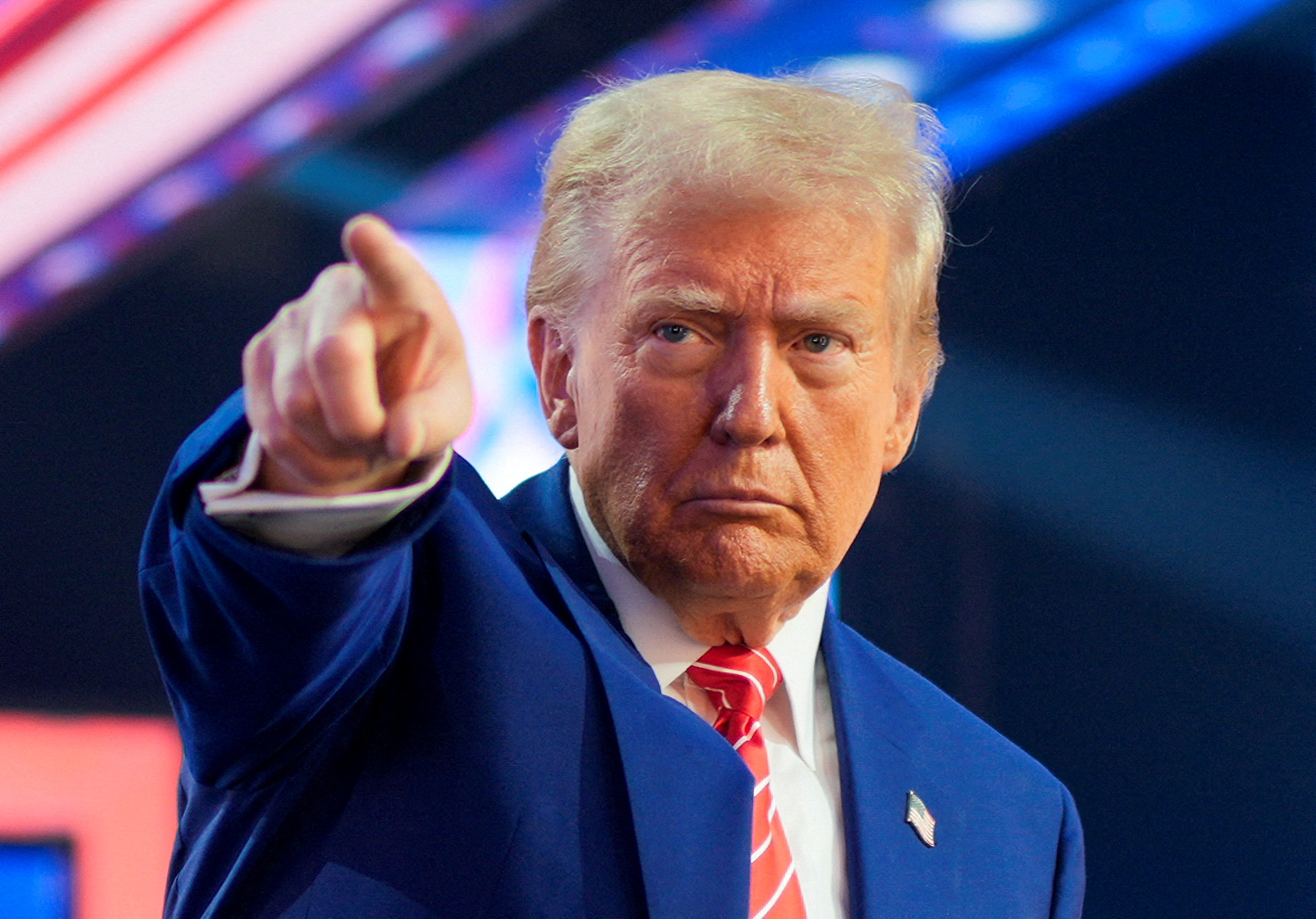
The Transparency Act and Document Release
The dispute follows the implementation of the Epstein Files Transparency Act, signed into law in November 2025 with bipartisan support. The act required the DOJ to release Epstein-related records within 30 days.
On January 30, 2026, the department released approximately 3.5 million pages of documents in batches. The rollout quickly drew controversy. Attorneys representing Epstein survivors reported that dozens of victims’ names appeared unredacted in some materials. Several media outlets identified documents containing uncensored personal information, prompting criticism of the department’s review process.
The DOJ later removed certain files from public access after journalists and attorneys flagged privacy concerns. Survivor advocates called the redaction process inadequate and described the exposure as deeply harmful.
The department has not publicly detailed how the redaction errors occurred but stated that teams reviewed millions of pages under tight statutory deadlines.
Legal Disagreements Over Criminal Standards
Deputy Attorney General Blanche defended the department’s conclusion in television interviews, stating that association or social contact with Jeffrey Epstein does not automatically constitute criminal conduct.
Critics, including members of Congress, pointed to federal statutes governing sex trafficking, noting that certain forms of participation in trafficking enterprises may carry criminal liability under specific circumstances. The disagreement reflects differing interpretations of how the law applies to evidence contained in the released files.
No new criminal charges have been announced as a result of the review.
Questions About Ghislaine Maxwell’s Transfer
Additional scrutiny has focused on the transfer of Ghislaine Maxwell from a federal correctional institution in Florida to a minimum-security federal prison camp in Texas in July 2025.
The Bureau of Prisons has not publicly disclosed detailed reasoning for the transfer. Reports cited by lawmakers suggest that Maxwell received certain accommodations that critics say warrant review, though no official findings of misconduct have been released.
Maxwell is currently serving a 20-year sentence for sex trafficking-related offenses. Any potential clemency decision would fall under presidential authority; no formal action has been announced.
Trump’s Historical Association With Epstein
Documents released under the Transparency Act reference past social interactions between Donald Trump and Jeffrey Epstein dating back decades. Flight logs, media interviews, and archival footage confirm that the two moved in overlapping social circles during the 1990s and early 2000s.
Trump has previously stated that he ended his association with Epstein years before Epstein’s 2008 conviction and has denied wrongdoing. No criminal charges related to Epstein have been filed against him.
Past civil allegations involving Trump and Epstein were withdrawn, and no court has made findings of liability.
Bipartisan Criticism Emerges
While much of the criticism has come from Democratic lawmakers, some Republican members have also expressed concerns about redaction inconsistencies and victim privacy breaches.
The central questions now facing the DOJ are procedural rather than rhetorical:
-
Were all relevant investigative leads reviewed?
-
Were privacy protections properly applied?
-
And does the department’s declaration that the review is complete fully address unresolved tips contained within its own files?
For survivors, the debate is not abstract. Advocacy groups continue to call for stronger protections, clearer accountability, and transparent explanations of how the document release was handled.
The DOJ maintains that its statutory obligations under the Transparency Act have been fulfilled.
Congressional oversight hearings are expected to continue.






