Supreme Court Strikes Down Trump Tariffs as Weak GDP and Inflation Data Add Pressure
The Supreme Court delivered a significant setback to former President Donald Trump’s economic agenda this week, ruling 6–3 that his administration lacked authority to impose sweeping global tariffs under emergency powers.
The decision came amid disappointing fourth-quarter GDP figures and higher-than-expected inflation data, compounding political and economic pressure on the White House.
Supreme Court: Tariff Power Belongs to Congress
In its ruling, the Court held that tariffs constitute taxes and that Article I, Section 8 of the Constitution grants the power of taxation to Congress — not the executive branch.
The administration had relied on the International Emergency Economic Powers Act (IEEPA) of 1977 to justify the tariffs, arguing that trade deficits and cross-border drug activity constituted national emergencies. The Court found that IEEPA does not explicitly authorize broad tariff authority and does not mention tariffs in its statutory language.
Attorney Neal Katyal, who argued against the tariffs on behalf of small business plaintiffs, said the ruling “stood up for the rule of law,” emphasizing that “presidents are powerful, but our Constitution is more powerful still.”
The decision may require the federal government to refund billions of dollars collected under the now-invalidated tariff framework. Estimates of potential reimbursements range from roughly $175 billion to $200 billion, though exact figures have not yet been formally confirmed.
Reported Reaction Inside the White House
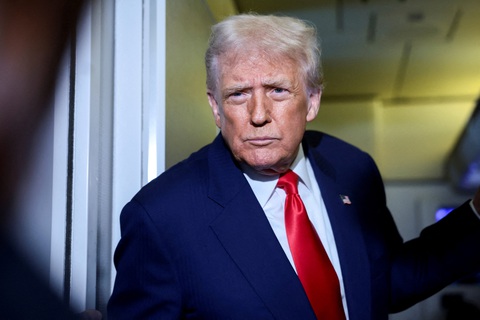
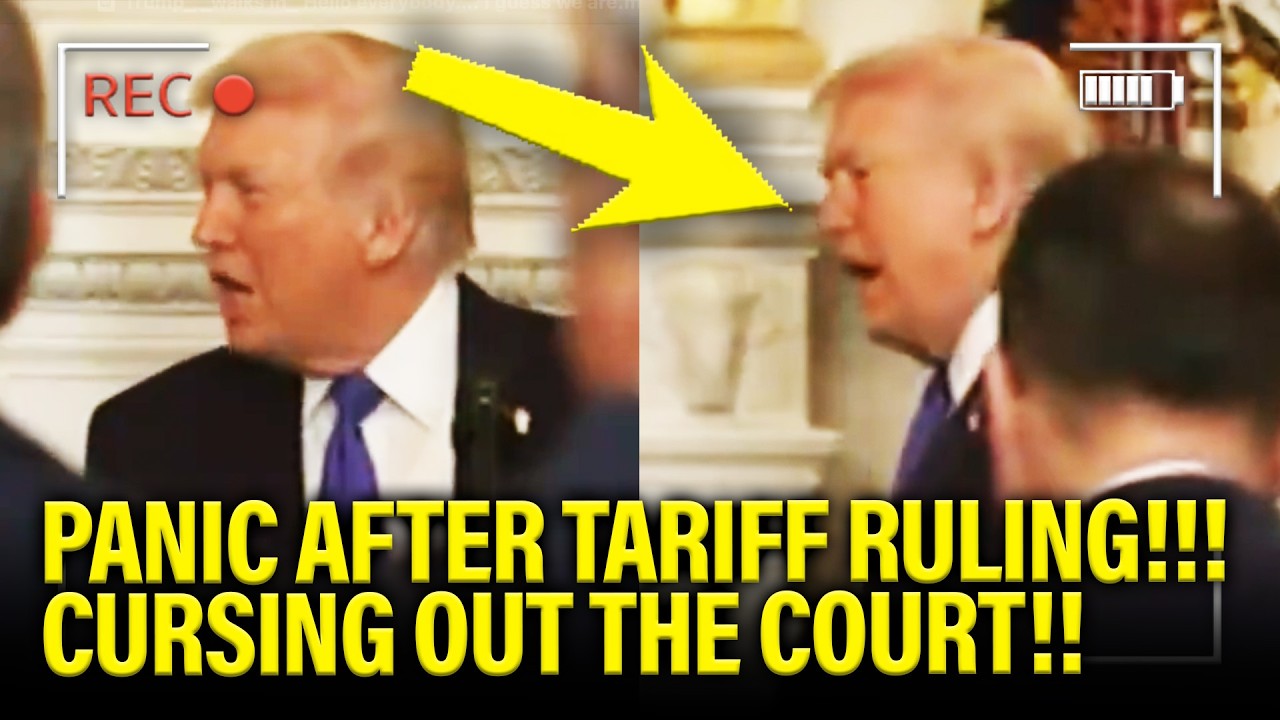
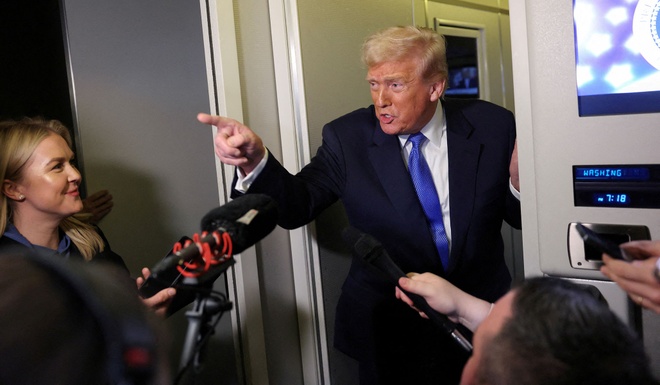
According to CNN reporting, President Trump learned of the decision during a breakfast meeting with governors at the White House. Multiple outlets reported that the president reacted angrily to the ruling, criticizing the courts and expressing frustration over what he viewed as judicial overreach.
During the meeting, Trump asked members of the press to leave before continuing discussions with governors behind closed doors.
The White House has not issued a detailed official statement on the ruling but confirmed that legal and economic teams are reviewing options.
Economic Data Adds to Headwinds
The ruling coincided with the release of fourth-quarter GDP data showing 1.4% annualized growth — significantly below the roughly 3% pace many analysts had expected. Some administration officials had suggested growth could approach 5%.
Meanwhile, the Personal Consumption Expenditures (PCE) index, the Federal Reserve’s preferred inflation measure, rose 2.9% year-over-year, slightly above expectations of 2.8%. Core PCE, which excludes food and energy, came in at 3%, also above projections.
National Economic Council Director Kevin Hassett attributed weaker GDP performance in part to the recent government shutdown and argued that underlying economic trends remain strong. He suggested that growth, adjusted for temporary disruptions, remains near 3%.
When asked about a New York Federal Reserve study indicating that 86% of tariff costs were borne by American businesses and consumers, Hassett said he regretted earlier remarks suggesting the economists behind the study should be disciplined, clarifying that his concern centered on preserving the Federal Reserve’s political independence.
Refund Uncertainty and Market Reaction
If refunds are required, affected companies would likely seek reimbursement through the Departments of Commerce and Treasury. Analysts note that while companies may recover tariff payments, consumer prices that rose during the tariff period are unlikely to fall immediately.
Markets reacted cautiously to both the Supreme Court ruling and economic data. The Dow Jones Industrial Average fell modestly following the announcements.
Political Ramifications
The tariffs were a central pillar of Trump’s economic and foreign policy strategy, frequently used as leverage in international negotiations. The Supreme Court’s ruling not only limits executive authority under IEEPA but may reshape how future administrations pursue trade enforcement.
Supporters of the ruling argue that it reaffirms constitutional separation of powers. Critics warn that it could constrain rapid economic responses during emergencies.
With GDP growth slowing and inflation pressures persisting, the administration now faces the dual challenge of adjusting its trade policy while reassuring markets and voters that the broader economic trajectory remains stable.
The legal battle may not be over. Congressional leaders have signaled interest in clarifying statutory authority over tariffs, potentially setting the stage for legislative action.
For now, the Court’s message was clear: tariff authority rests with Congress.






