Hypothetical Scenario: What a 68–32 Senate Conviction of Donald Trump Would Mean for America
The United States is nine months away from a midterm election year. Political tensions are already high. But what would happen if the unthinkable occurred — if the Senate voted 68–32 to convict and remove a sitting president?
Such a vote would cross the two-thirds constitutional threshold required for conviction in an impeachment trial. No U.S. president has ever been removed through impeachment. The political, legal, and institutional consequences would be seismic.
The Senate Chamber: A Historic Vote
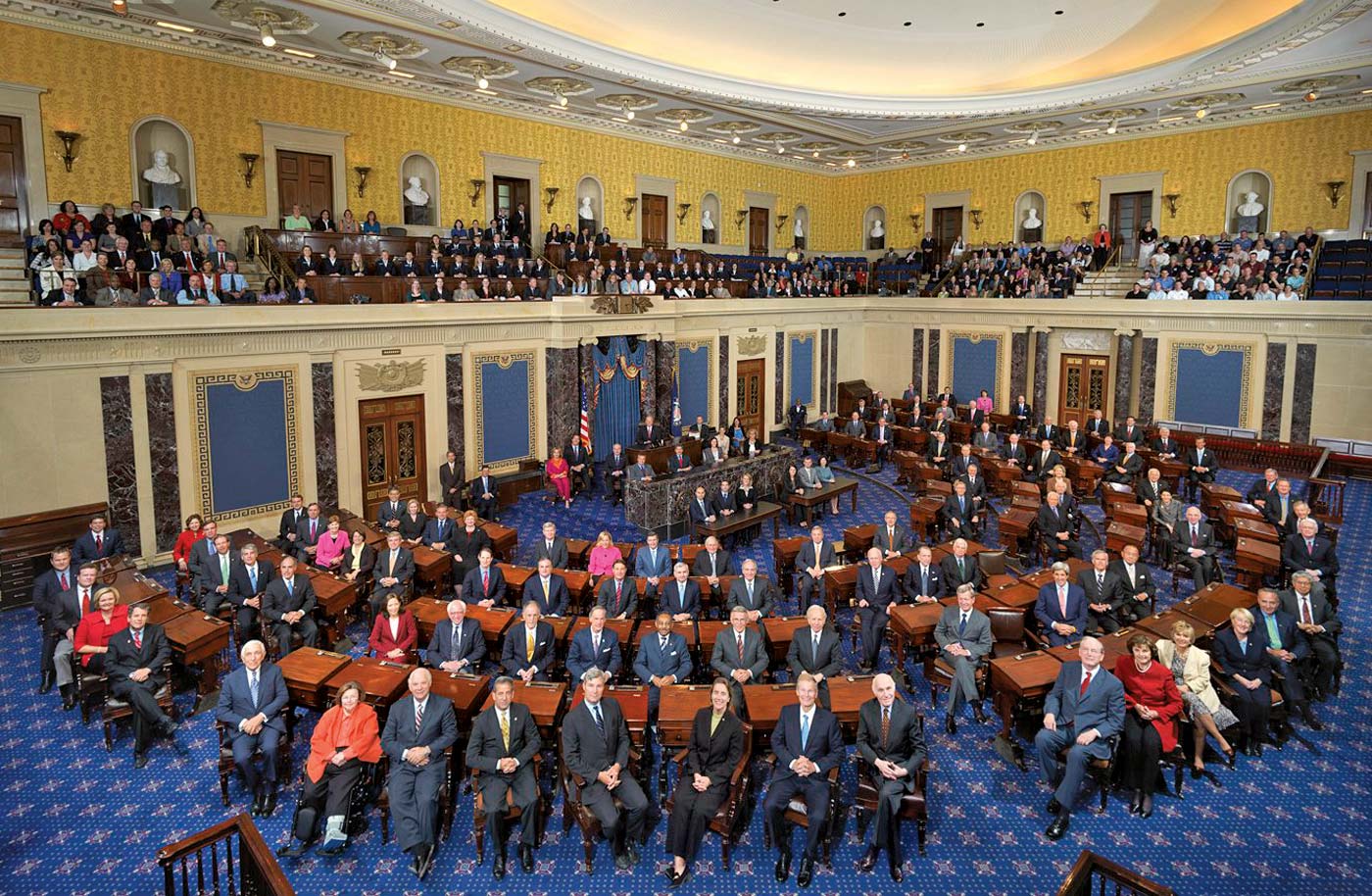

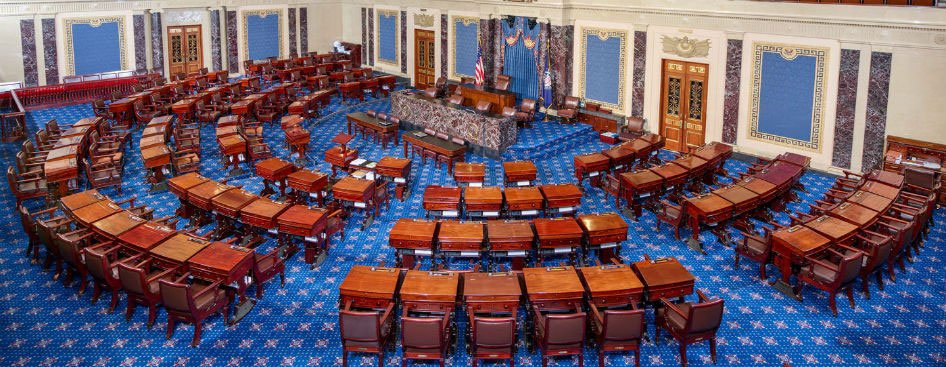
Under the Constitution, if two-thirds of the Senate votes to convict, the president is immediately removed from office. There is no appeal. No override. No judicial review.
A 68–32 vote would mean at least 18 members of the president’s own party joined the opposition — signaling not merely partisan division, but institutional rupture.
Historically, impeachment votes have fallen short of conviction. Even in highly charged proceedings, bipartisan support has rarely reached that threshold. A 68–32 result would therefore represent a political earthquake.
The Allegations: War Powers and Abuse of Authority


In this hypothetical scenario, the charges center on alleged abuse of power and violations of constitutional war powers — particularly the launch of military action without congressional authorization.
The Constitution gives Congress the power to declare war. Presidents have historically operated within gray areas of military authority, but overt bypassing of Congress would raise profound constitutional questions.
In such a case, impeachment proceedings would likely include:
-
Testimony from military officials
-
Executive branch insiders
-
National security experts
-
Legal scholars on separation of powers
If enough senators concluded the constitutional line had been crossed, conviction would follow.
Immediate Constitutional Consequences


If convicted, the president would be removed immediately.
The vice president would assume the presidency without delay. Security protocols would shift instantly. Access to classified information would be revoked. Executive authority would transfer in real time.
The Senate could then hold a second vote — requiring only a simple majority — to bar the removed president from ever holding federal office again.
Such a decision would reshape future elections overnight.
Republican Party Fracture


A bipartisan conviction would likely fracture the president’s party into competing factions:
-
Institutional conservatives prioritizing constitutional limits
-
Loyalist populists arguing impeachment was political
The political fallout could include:
-
Primary challenges against senators who voted to convict
-
A reshaped 2028 presidential primary
-
Deep internal ideological conflict
Political scientists would likely describe it as the most consequential intra-party split in decades.
Constitutional Crisis: What If a President Refused to Accept Removal?


The Constitution is clear: once convicted, removal is final.
But what if a president publicly rejected the outcome? Legal scholars emphasize that federal institutions — the Secret Service, military command structure, and executive agencies — are bound to constitutional process, not personal loyalty.
A refusal to leave office would trigger:
-
Immediate transfer of command authority
-
Recognition of the new president by federal agencies
-
Likely judicial affirmations of Senate authority
While unprecedented, the constitutional framework anticipates finality in Senate conviction.
Broader Implications for American Democracy
If impeachment and removal occurred:
-
It would reaffirm that no officeholder is above constitutional limits.
-
It would demonstrate that bipartisan conviction is possible in extreme cases.
-
It would test the durability of American institutions under stress.
At the same time, such a moment would expose how fragile democratic systems can be when partisan loyalty collides with constitutional duty.
Impeachment was designed as the ultimate safeguard — a mechanism of last resort. A successful removal would confirm that the tool still functions, but only under extraordinary pressure.
Final Thought
A 68–32 conviction scenario would not simply remove a president. It would redefine the presidency itself.
It would force political parties to confront their identities. It would reshape electoral politics. And it would test whether constitutional governance can withstand modern polarization.
History has never seen such a moment. But examining the possibility reveals how much depends not just on laws — but on whether institutions and elected officials are willing to uphold them.






