TRUMP LOSES IT AFTER HOWARD STERN EXPOSES HIS DARKEST MOMENTS ON LIVE TV
What resurfaced this week was not rumor, speculation, or partisan spin—it was Donald Trump in his own voice. During a live discussion revisiting decades of radio archives, legendary broadcaster Howard Stern unpacked hours of on-air conversations with Donald Trump, reigniting controversy Trump thought had long been buried. The result was immediate backlash, frantic denials, and a familiar pattern of rage replacing rebuttal.
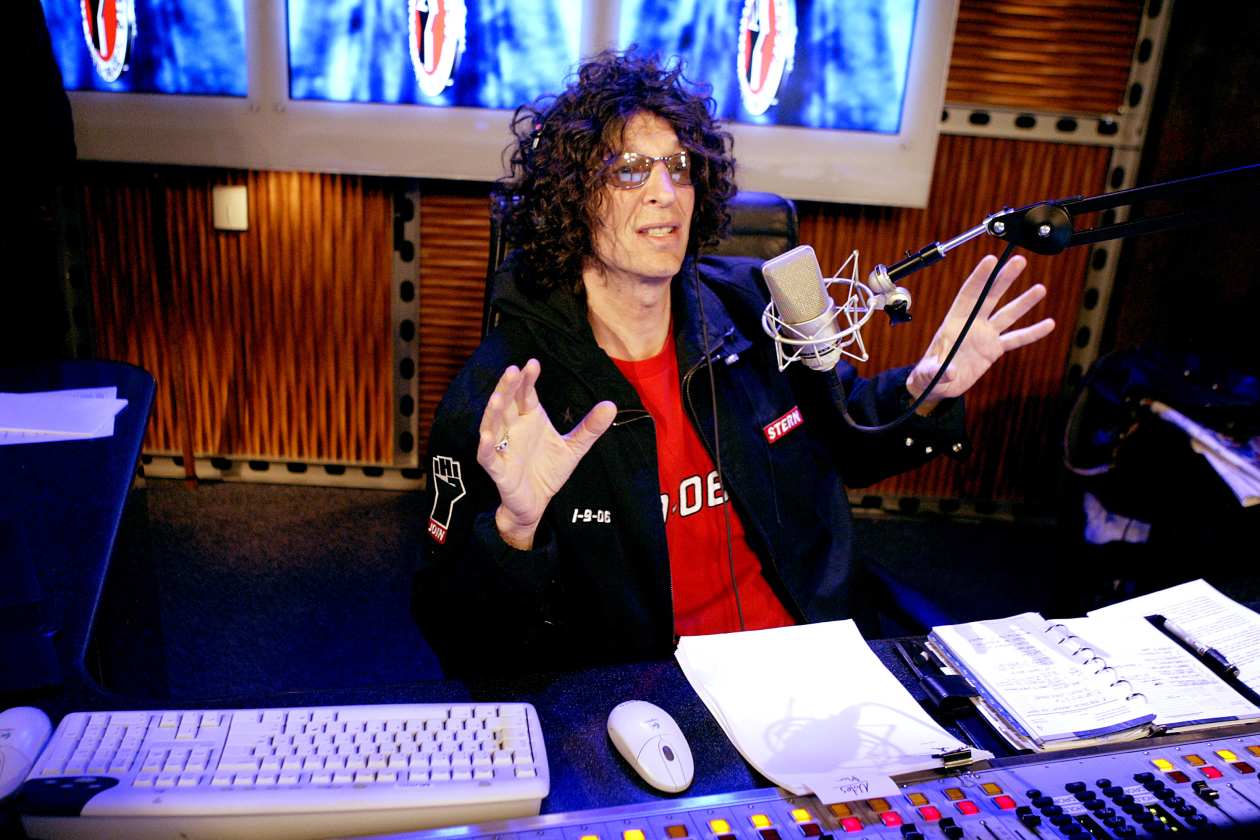
Between 1993 and 2015, Trump appeared on The Howard Stern Show more than any other guest, logging over 15 hours of unfiltered conversation. Stern explained that what made Trump compelling—and dangerous—was his lack of restraint. Asked questions most public figures would deflect, Trump answered directly, often graphically, and without concern for long-term consequences. At the time it was treated as shock radio. Years later, it reads like a character record.
Among the most jarring moments were discussions involving Trump’s relationships and attitudes toward women, including comments about age, appearance, and intimacy that today clash sharply with his cultivated political image. Stern replayed archived segments not to editorialize, but to contextualize. The power of the clips came from their simplicity: no commentary, no accusation—just Trump speaking freely, laughing, and leaning into remarks that would later follow him into national politics.
The segment took a sharper turn when Stern addressed Trump’s repeated attempts to distance himself from those very appearances. As Trump has recently dismissed Stern as “irrelevant” and “woke,” Stern countered with receipts—timestamps, audio, and transcripts. The contrast was stark. Trump now claims misrepresentation; the archives show voluntary participation, repeated returns, and enthusiasm for the spotlight.

Trump’s reaction arrived predictably and explosively. He lashed out online, attacked Stern’s credibility, and reframed the resurfaced material as a coordinated smear. What he did not do was dispute the authenticity of the recordings. Instead, the response focused on outrage—aimed at the messenger, the media, and anyone amplifying the clips—while avoiding the substance of what was said on tape.
By the following morning, the clips were everywhere, shared less for scandal than for recognition. Viewers weren’t shocked by new revelations; they were struck by consistency. The same behavior, tone, and deflection patterns heard decades ago remain visible today. Howard Stern didn’t “expose” Trump with new information—he simply reminded the public who Trump was when the microphone was on and the filter was off. And once again, Trump’s loudest reaction became the story itself.