What Canadians witnessed in Parliament was not a routine clash of talking points. It was a rare, raw political showdown that peeled back years of silence, selective outrage, and uncomfortable contradictions. Foreign Affairs Minister Mélanie Joly didn’t merely defend the Liberal government’s auto strategy — she put the opposition on trial for what they refused to say.
At the center of the storm: Donald Trump’s aggressive auto tariffs and Canada’s $2.3 billion electric vehicle subsidy program.
Conservatives opened the debate with a familiar accusation — that Ottawa’s EV subsidies would indirectly benefit American manufacturers, betraying Canadian auto workers. On the surface, it sounded like economic nationalism. But beneath it was a glaring omission that Joly immediately seized on.
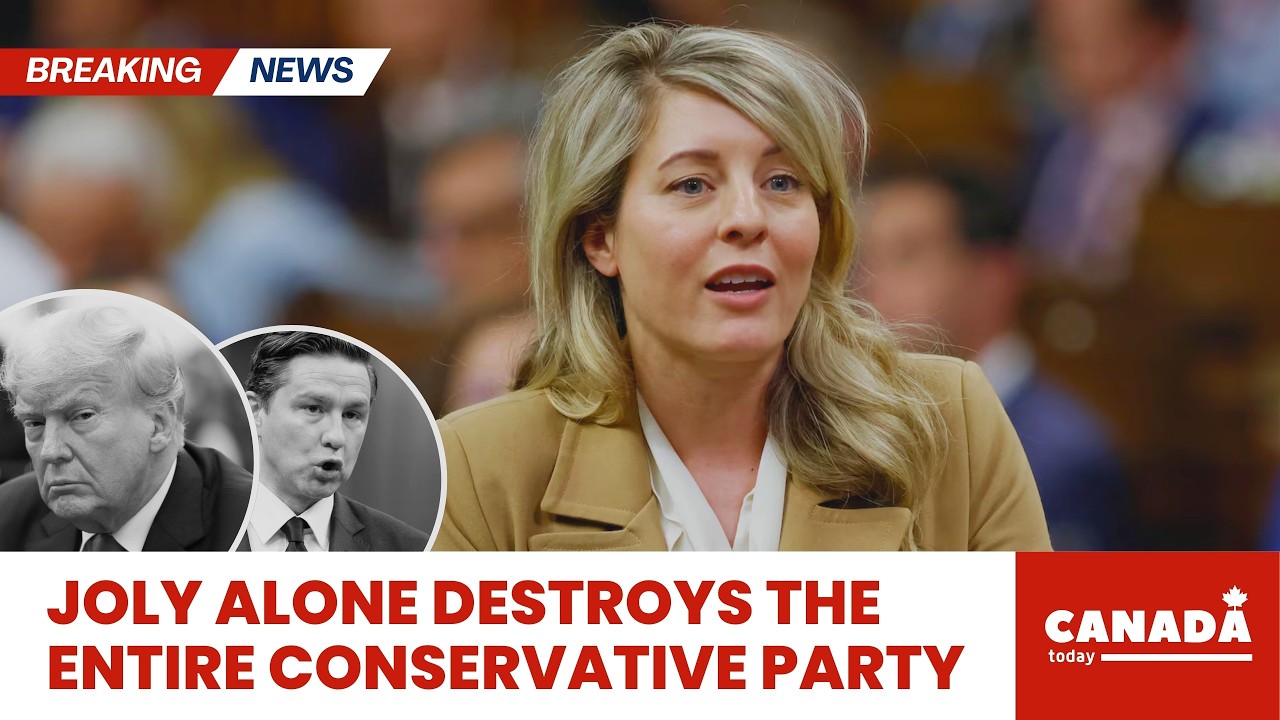
Not once did Conservative MPs directly condemn Trump’s tariffs.
Not once did they demand accountability from Washington for the thousands of Canadian jobs already lost.
Instead, every ounce of blame was redirected inward, toward Ottawa.
Joly called it out in real time. And she did it without flinching.
She reminded the House that Trump’s tariff campaign has already cost Canada more than 5,000 auto jobs, hitting communities like Brampton, Ingersoll, and GM plants hard. Yet while Conservatives repeatedly attacked Liberal policy, they remained conspicuously silent about the American president whose economic aggression triggered the crisis in the first place.
That silence, Joly argued, wasn’t accidental — it was political convenience.
Criticizing Canadian policy is safe. Confronting a hostile U.S. administration takes courage.
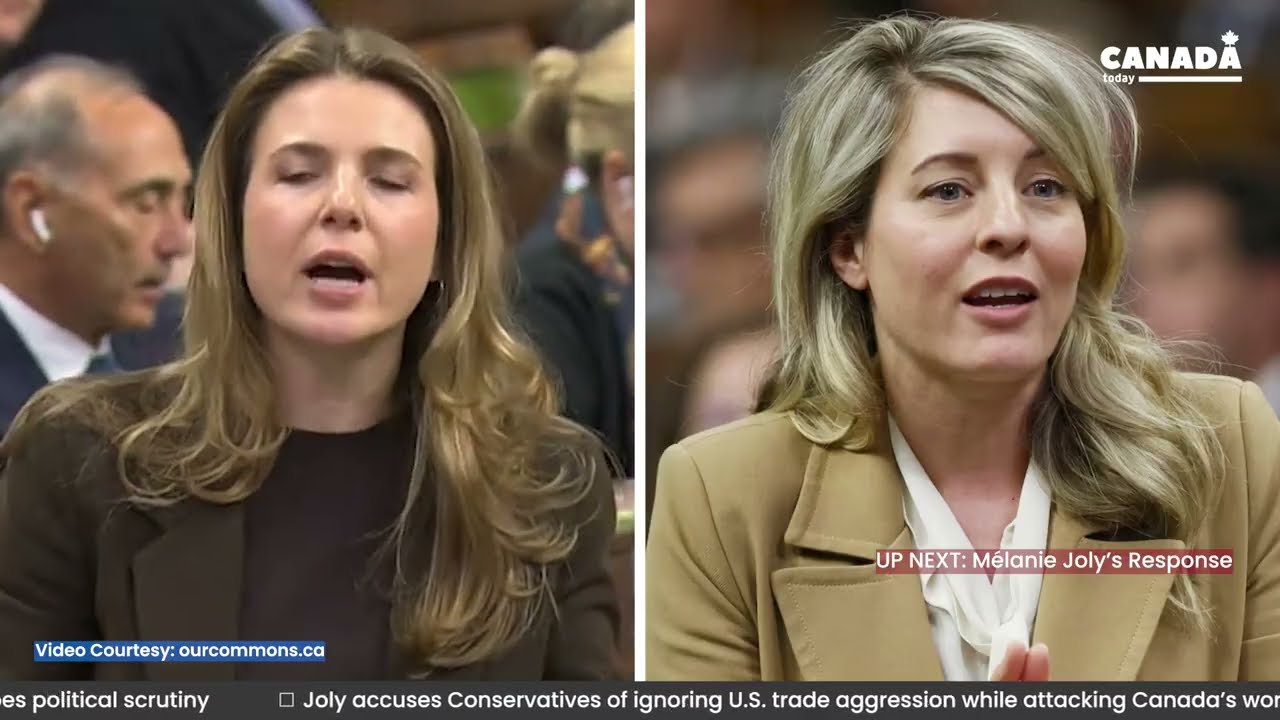
When Conservatives pressed again, demanding a yes-or-no answer on whether American-made EVs should access Canadian subsidies, Joly reframed the issue entirely. Canada’s auto strategy, she said, has two clear goals: protect domestic production and position the country where the global industry is heading — electrification.
And she didn’t stand alone.
According to Joly, the plan has backing from Ontario Premier Doug Ford, auto unions, industry leaders, environmental groups, and consumer advocates. The resistance, she noted pointedly, comes almost exclusively from Conservatives — the same Conservatives who won’t publicly denounce Trump’s tariffs.
As the debate escalated, opposition MPs sharpened their rhetoric, accusing the Liberals of “surrendering” Canadian jobs and “subsidizing Trump’s America.” But once again, their anger stopped at the border. Trump himself remained untouched.
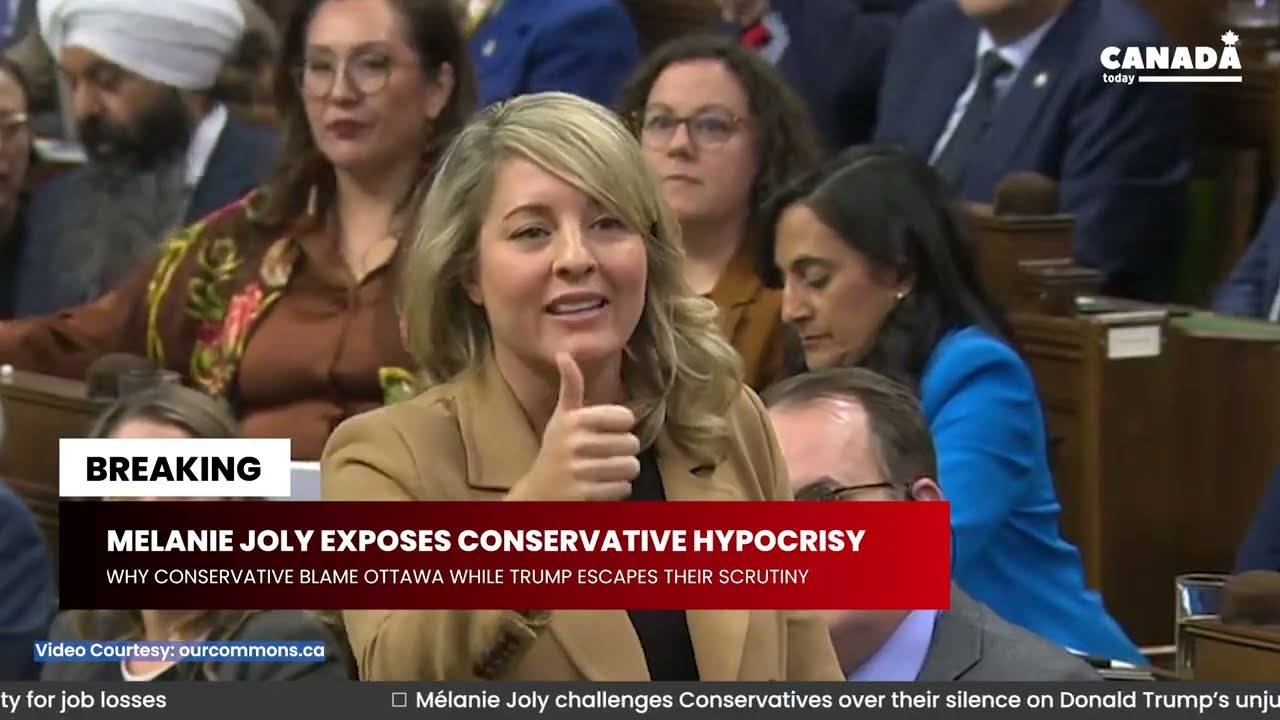
That’s when Joly shifted from defense to offense.
She reminded the House that Canada didn’t respond to U.S. tariffs with speeches, but with action: counter-tariffs, reduced market access for companies that cut Canadian production, and strict investment conditions favoring those who build and hire in Canada. When production dropped, access was cut — by up to 50% in some cases.
In other words, policy, not performative outrage.
She also invoked history. In the 1980s, when American auto plants pulled out of Canada, the country adapted by welcoming Japanese automakers and securing new jobs. Today, she argued, the same principle applies: Canada will invest in those — Korean, German, Chinese, or otherwise — who invest here and help build the EV future on Canadian soil.
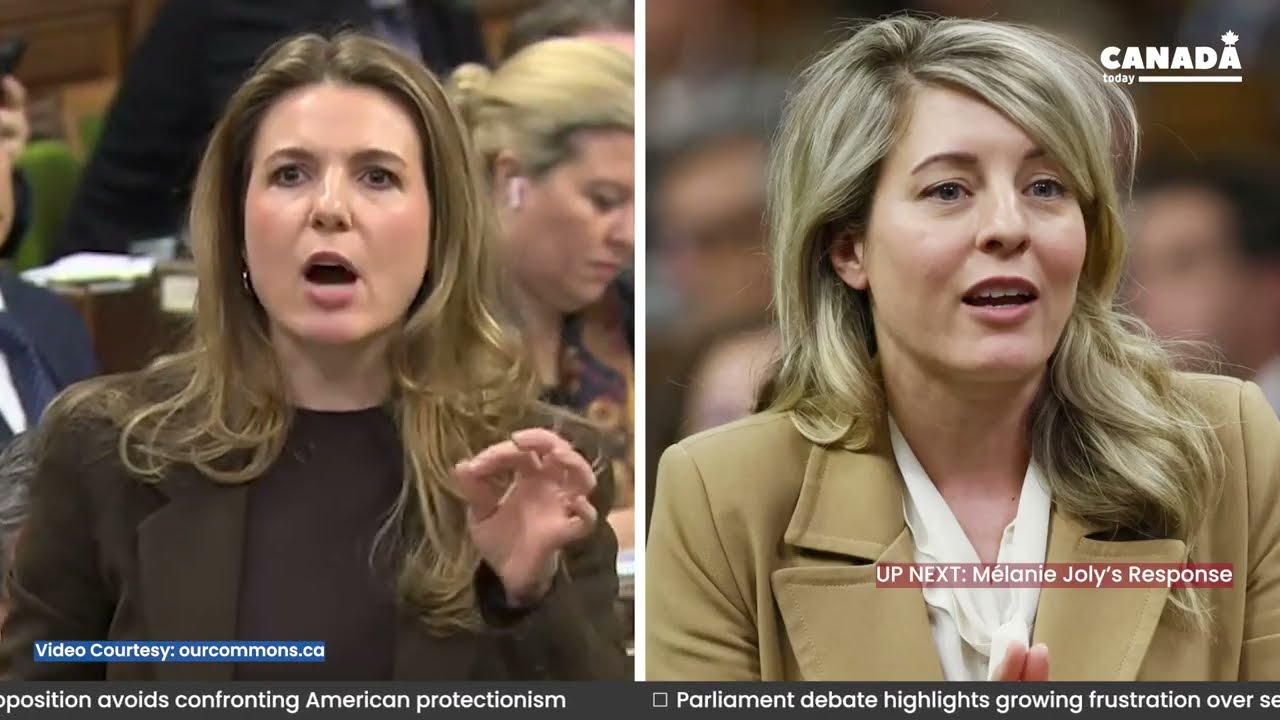
By the final exchange, the real issue was no longer subsidies or electric vehicles. It was political honesty.
Can you claim to stand with workers while refusing to condemn unjustified foreign tariffs?
Can you demand accountability at home while avoiding it abroad?
Joly’s message was clear: defending Canadian jobs means confronting the real source of economic pressure — even when it’s politically uncomfortable.
In one afternoon, the debate stripped away slogans and exposed a contradiction that will be hard to unsee. And for many watching, it wasn’t Ottawa that looked weak — it was the silence.