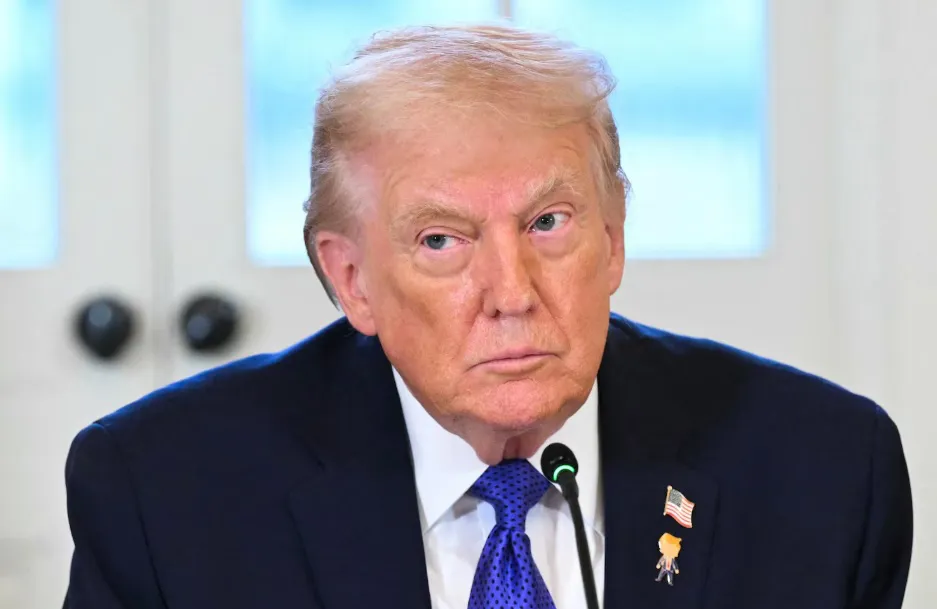
For years, Western diplomacy operated on an unspoken assumption: even in moments of friction, the boundaries of sovereignty would remain inviolate. Leaders might posture, threaten tariffs, or trade insults, but territorial integrity—especially among allies—was not treated as a negotiating chip. That assumption fractured when Donald Trump began speaking openly about Greenland, Canada, and the Arctic as if borders were conditional and power alone conferred legitimacy.

Canada understood immediately that this was not rhetorical excess. It was a test.
Greenland is not an abstraction. It is part of the Kingdom of Denmark, covered by international law and shielded by NATO. It sits at the crossroads of Arctic shipping lanes, energy reserves, and future military positioning—interests that intersect directly with Canada’s own northern security. When Trump floated the idea that Greenland could be taken, bought, or coerced, the implication reached far beyond the island itself. If sovereignty could be treated as negotiable there, it could be questioned anywhere.
Ottawa did not respond with outrage. It responded with alignment.
Prime Minister Mark Carney made a strategic calculation that loud condemnation would change little. What mattered was who stood where—and how quickly. Canada moved to anchor itself visibly beside Denmark, framing the issue not as a bilateral spat with Washington but as a question of international norms. Borders are not bargaining chips. Territorial integrity is not rhetorical. The Arctic is not open to intimidation.
That posture might once have left Canada isolated. This time, it did not.
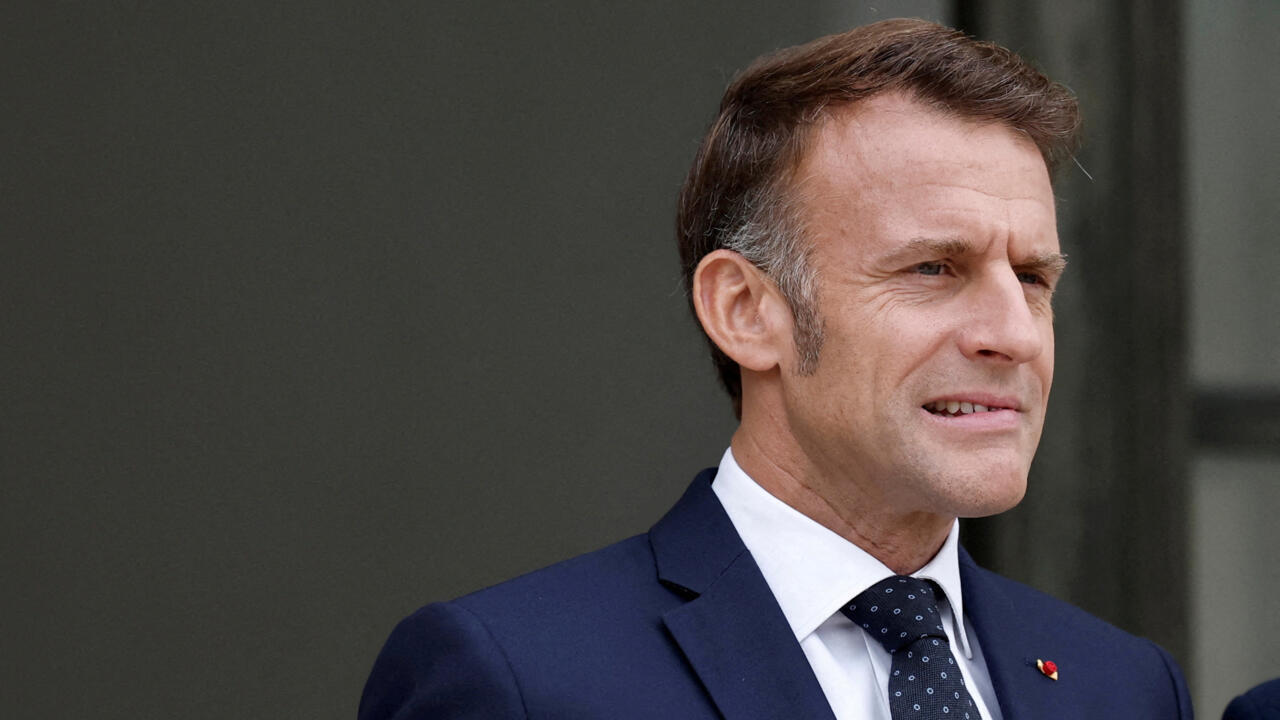
In Paris, Emmanuel Macron did something that would have been unthinkable a few years earlier: he publicly warned that threats against Canada and Greenland endangered the global order itself. Speaking to diplomats, Macron placed Trump’s rhetoric in a broader pattern of coercion, one that replaces rules with raw strength. The message was unmistakable. This was not merely a North American disagreement; it was a challenge to the system that underpins alliances.
The shift did not happen overnight. Long before Greenland dominated headlines, Carney had been rebuilding trust across European capitals, reasserting Canada’s role as a stabilizing actor after years of turbulence. When pressure escalated—from Ukraine to Venezuela to Greenland—those relationships mattered. Europe did not hesitate because the groundwork had already been laid.
The contrast with earlier moments was stark. When Trump first hinted at Canadian sovereignty as conditional, allies largely stayed silent, unsure whether the remarks were serious or strategic. This time, silence broke. France spoke. Denmark stood firm. Other European leaders echoed the concern. Canada was no longer alone.
Trump’s approach has always relied on leverage created by isolation. He escalates where he senses hesitation, betting that targets will bend rather than stand alone. What he consistently underestimates is how early, coordinated resistance alters the equation. When opponents align before a crisis peaks, leverage evaporates.
The Greenland episode revealed that miscalculation. The threat was not really about Greenland. It was about the Arctic—a region transformed by melting ice into a corridor of trade, energy access, and military relevance. Canada sits at the center of that future. By defending Greenland’s sovereignty, Canada was defending a principle that safeguards its own northern interests. The message to Washington was subtle but firm: the Arctic is governed by law and alliances, not by whoever speaks loudest.
This strategy extended beyond Europe. Canada deepened ties with Arctic stakeholders, reinforced NATO commitments, and diversified partnerships elsewhere, including Asia. Each layer made Trump’s next move more costly. Not emotionally, but politically and diplomatically.
What emerged was an inversion of Trump’s intended effect. Pressure did not fracture Canada’s position; it solidified it. Threats did not isolate Ottawa; they mobilized support. Every escalation tightened the coalition against him.
For decades, Canada’s instinct was to de-escalate quietly, assuming good faith would eventually prevail. Trump changed that calculus. Ambiguity became dangerous. Carney adjusted—not with bluster, but with presence. By the time Washington recognized the implications, Canada was no longer reacting to events. It was shaping them.
In geopolitics, victories are rarely announced. They are inferred from what no longer happens. After France spoke and Europe aligned, the talk of bargaining over Greenland lost momentum. Options narrowed. The cost of further escalation rose.
Canada did not humiliate Trump with words. It did something more effective. It closed his options. And in a world where power often masquerades as inevitability, that quiet assertion of rules may prove to be the most consequential move of all.







