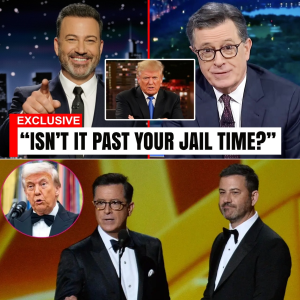
TRUMP LOSES IT AFTER JIMMY KIMMEL AND KAROLINE LEAVITT “SHOWDOWN” GOES VIRAL — THE TRUTH BEHIND THE FAKE TV MELTDOWN
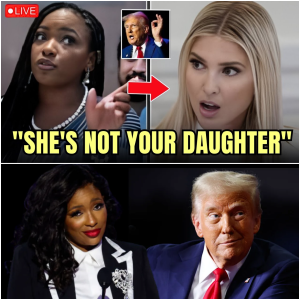
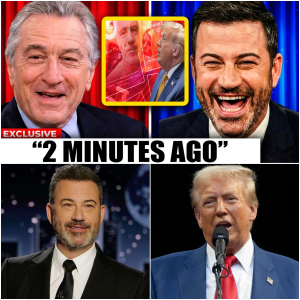
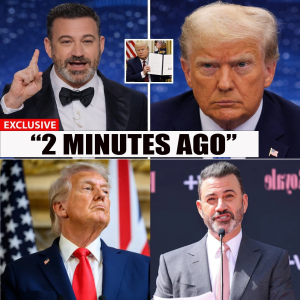
A wave of viral videos recently claimed that Jimmy Kimmel had confronted and “destroyed” Trump press secretary Karoline Leavitt during a dramatic on-air clash. Thumbnails screamed DESTROYED, KICKED OFF SET, and EPIC SHOWDOWN, racking up massive views across YouTube, TikTok, and Facebook. The clips appeared to show Leavitt storming off stage while Kimmel delivered cutting takedowns—fueling a narrative that Donald Trump had suffered yet another humiliating public blow.
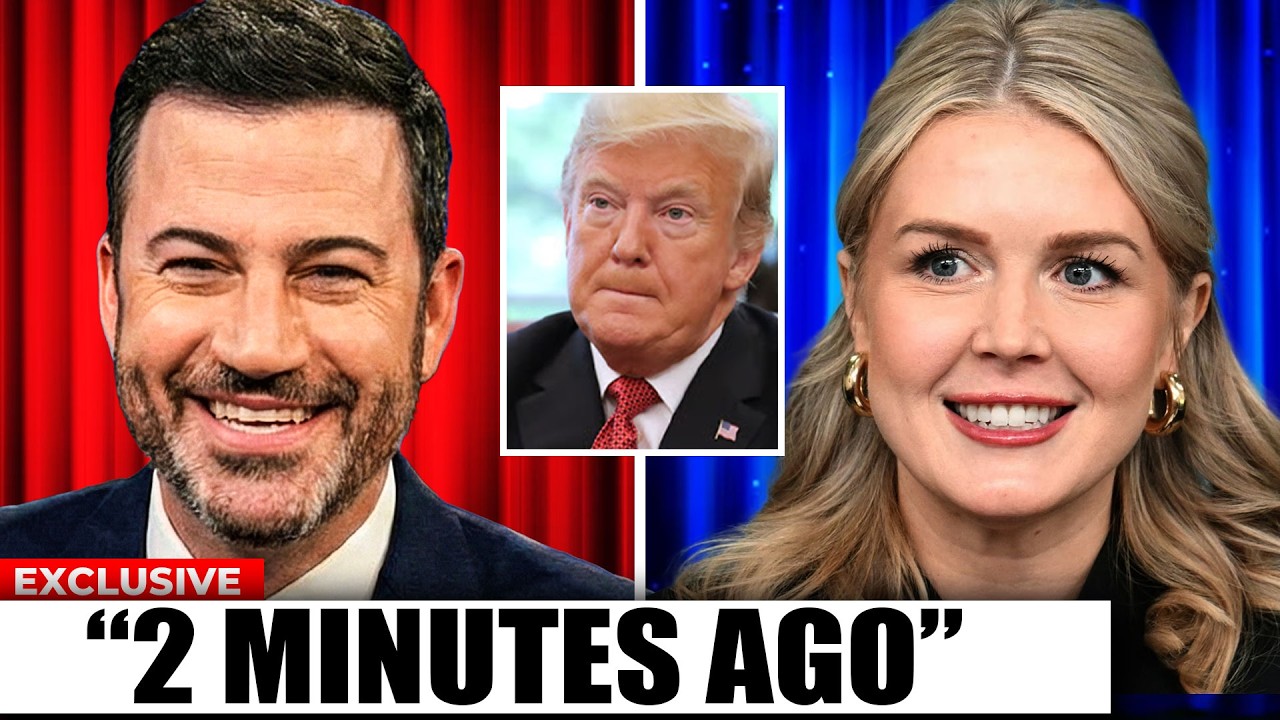
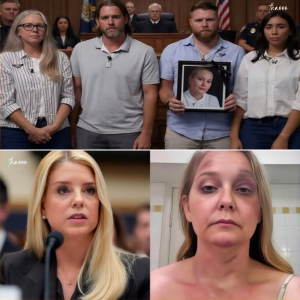
There was only one problem: none of it actually happened. Jimmy Kimmel has never interviewed Karoline Leavitt on Jimmy Kimmel Live. There was no confrontation, no walk-off, no televised meltdown. The entire episode was fabricated—pieced together from unrelated clips, AI-generated images, and voiceovers stitched into a convincing but fictional storyline. Despite the lack of evidence, the story spread rapidly, amplified by algorithms that reward outrage and spectacle over verification.
The fake clips worked because they looked real at first glance. AI-generated images placed Kimmel and Leavitt face-to-face under studio lighting, complete with realistic camera angles and set design. But closer inspection revealed classic AI flaws: extra fingers, distorted hands, unnaturally smooth faces, and inconsistent shadows. Some channels even buried disclaimers deep in video descriptions admitting the content was fictional—long after viewers had already shared it as fact.
As the videos gained traction, Trump allies and critics alike reacted emotionally, believing the showdown symbolized a broader collapse in message discipline around the administration. Trump himself responded angrily online, lashing out at comedians, media outlets, and political opponents in a familiar pattern. Ironically, those real reactions helped legitimize a story that was entirely invented, blurring the line between genuine controversy and manufactured outrage.
:max_bytes(150000):strip_icc():focal(737x284:739x286)/Jimmy-kimmel-donald-Trump-090325-2560f9fab855487e9884752005490fa9.jpg)
Meanwhile, what Jimmy Kimmel has actually said about Trump and his press operation remains sharp—but grounded in reality. Kimmel has repeatedly criticized Trump’s rhetoric, mocked his policy contradictions, and questioned the credibility of White House messaging, all within the boundaries of satire and verified commentary. Those real monologues, however, were far less explosive than the fake “confrontation” being sold for clicks, which is precisely why they were overshadowed.
The episode highlights a deeper problem in modern political media: AI-driven misinformation doesn’t need to be true to be powerful—it only needs to feel believable. In this case, a completely fictional TV moment shaped public perception, fueled partisan anger, and dragged real people into a controversy that never occurred. As viral political content becomes easier to fabricate and harder to verify, the real story may no longer be who won a debate—but whether the debate ever happened at all.