Mounting Pressure in Farm Country: Why Some Ranchers and Growers Are Questioning Trump’s Economic Promises
When President Donald Trump said, “We gave the farmers a little help, $12 billion, and they are so happy,” it echoed a familiar pledge: that rural America would thrive under his trade and tariff strategy. But recent data and farmer testimony suggest a far more complicated picture emerging in early 2026.
From shrinking farm numbers to rising bankruptcies and unease about tariffs, economic pressure in agricultural communities is becoming harder to ignore — even on traditionally conservative outlets.
U.S. Farm Numbers Continue to Decline



According to recent reporting, the number of U.S. farms declined by approximately 15,000 in 2025, bringing the total to around 1.865 million. No state recorded an increase in farm operations last year.
Texas reportedly saw the largest decline, losing about 2,000 farms. States like Iowa, Indiana, Minnesota, and Illinois also experienced significant drops.
Agricultural economists point to several factors:
-
Urban expansion consuming farmland
-
Weak commodity prices
-
Rising input costs (fuel, fertilizer, equipment)
-
Trade uncertainty linked to tariffs
Notably, the only category that showed growth was farms generating over $1 million in annual sales — suggesting consolidation in the industry, rather than expansion.
Tariffs and Trade Tensions: A Divisive Strategy


The administration’s use of tariffs as leverage in global trade negotiations has been one of its defining economic strategies. While the White House argues tariffs protect domestic industries, some farmers say retaliatory measures from trade partners have hurt export markets.
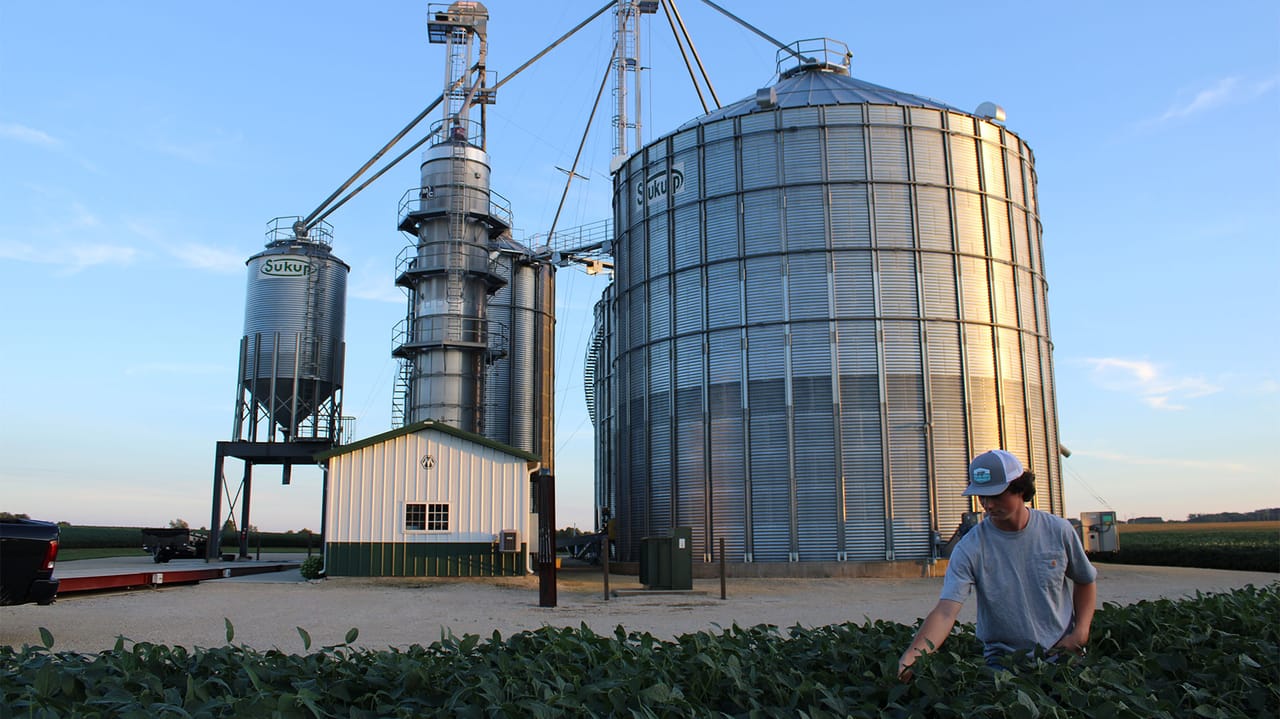
Grain bins remain full in parts of the Midwest, according to interviews with producers who say overseas buyers have pulled back amid uncertainty.
Cattle ranchers, meanwhile, have expressed concern that high retail beef prices are not translating into stronger margins at the producer level. Industry observers note that large meatpacking corporations exert significant influence over pricing structures, squeezing independent operators.
Bankruptcy Concerns and Regional Strain



In Georgia alone, commentators recently cited:
-
27 family farm bankruptcies
-
80,000 jobs reportedly lost since early 2025
-
Concerns about healthcare coverage tied to ACA subsidy extensions
Farm bankruptcy filings nationally have ticked upward, according to agricultural policy groups. While not at crisis-era levels, the trajectory has raised alarms among rural lenders and farm bureaus.
For many generational farmers, the challenge is sustainability — surviving year to year in a volatile commodity market.
Political Fallout: Rural Support Softening?


Polling data suggests shifting sentiment among key voting blocs:
-
Overall approval ratings for Trump hover near 39% in recent surveys
-
Approval of his handling of the economy is closer to 33%
-
Support for his cost-of-living management sits near 27%
Among voters without a college degree — a core constituency in past elections — analysts note a significant drop in net approval ratings compared to 2024 levels.
Rural voters remain a critical pillar of Republican electoral success. However, rising operational costs, trade friction, and market consolidation appear to be complicating the relationship between agricultural producers and the administration.
Aid vs. Structural Reform



The $12 billion in farm aid referenced by Trump reflects earlier subsidy programs designed to offset trade-related losses. While many producers welcomed the relief at the time, critics argue that temporary aid does not replace stable export markets or long-term structural reform.
Farmers interviewed across multiple networks have emphasized that they want:
-
Predictable trade relationships
-
Market access expansion
-
Stronger antitrust enforcement in meatpacking
-
Stable input costs
For some, the frustration lies not in partisan politics but in economic uncertainty.
The Road to the Midterms
With the 2026 midterm elections approaching, rural dissatisfaction — even if modest — could influence competitive districts. Historically, agricultural regions lean Republican. Any measurable shift could have outsized effects in close congressional races.
Whether current economic headwinds represent temporary volatility or deeper structural strain remains to be seen. What is clear is that farm country — once considered one of Trump’s most reliable constituencies — is navigating a challenging season.
And in American politics, economic anxiety often proves more durable than campaign promises.