Supreme Court Strikes Down Trump Tariffs in 6–3 Ruling, Triggering Political and Economic Shockwaves
In a major setback to former President Donald Trump’s economic agenda, the U.S. Supreme Court ruled 6–3 that the president lacked authority under the International Emergency Economic Powers Act (IEEPA) to impose sweeping global tariffs without congressional approval.
The decision immediately reverberated across Washington and Wall Street, setting off a day marked by volatile headlines, market rallies, and sharp political reactions.
The Ruling: Congress Controls Taxation Authority


Chief Justice John Roberts, writing for the majority, concluded that the 1977 IEEPA statute does not grant the president unilateral authority to impose tariffs.
The opinion emphasized that tariffs function as taxes — and Article I, Section 8 of the Constitution assigns taxation powers to Congress.
The Court noted that no prior president had interpreted IEEPA to authorize broad tariff regimes in the way implemented.
Two justices appointed by Trump — Neil Gorsuch and Amy Coney Barrett — joined the majority, underscoring the bipartisan constitutional framing of the decision.
Market Reaction: Stocks Rally on News


Financial markets responded positively.
The Dow Jones Industrial Average reportedly gained more than 200 points following the announcement. Technology and retail stocks posted noticeable gains as investors interpreted the ruling as a removal of trade-related uncertainty.
Several analysts described the ruling as lifting a “tariff overhang” that had been weighing on corporate earnings forecasts.
Economic Backdrop: GDP and Inflation Concerns


The ruling came on the same day the Commerce Department reported fourth-quarter GDP growth of 1.4% — below expectations that had projected closer to 3%.
Core PCE inflation, a key Federal Reserve metric, registered at 3%, running slightly above forecasts.
The trade deficit for 2025 remained elevated at approximately $91 billion, showing little movement despite tariff policies aimed at reducing it.
Economists noted that the administration had repeatedly framed tariffs as a tool to rebalance trade and boost domestic manufacturing, though recent data did not show a significant shift in the trade gap.
Refund Questions: Billions Potentially at Stake


One of the most consequential implications of the ruling concerns tariff revenue already collected.
Estimates from policy models suggest that between $130 billion and $175 billion may have been collected under the struck-down tariff authority.
Business groups, including the U.S. Chamber of Commerce, have called for clarity on whether refunds will be issued.
Economic research from the Federal Reserve Bank of New York previously found that most tariff costs were borne by U.S. importers and passed along to consumers rather than paid by foreign governments.
White House Response: Exploring Alternative Authorities


At a press briefing following the decision, Trump described the ruling as “deeply disappointing” and indicated he would pursue alternative legal pathways, including:
-
Section 232 tariffs (national security justification)
-
Section 301 tariffs (trade enforcement authority)
-
Section 122 of the Trade Act of 1974, which permits temporary tariffs of up to 150 days without congressional approval
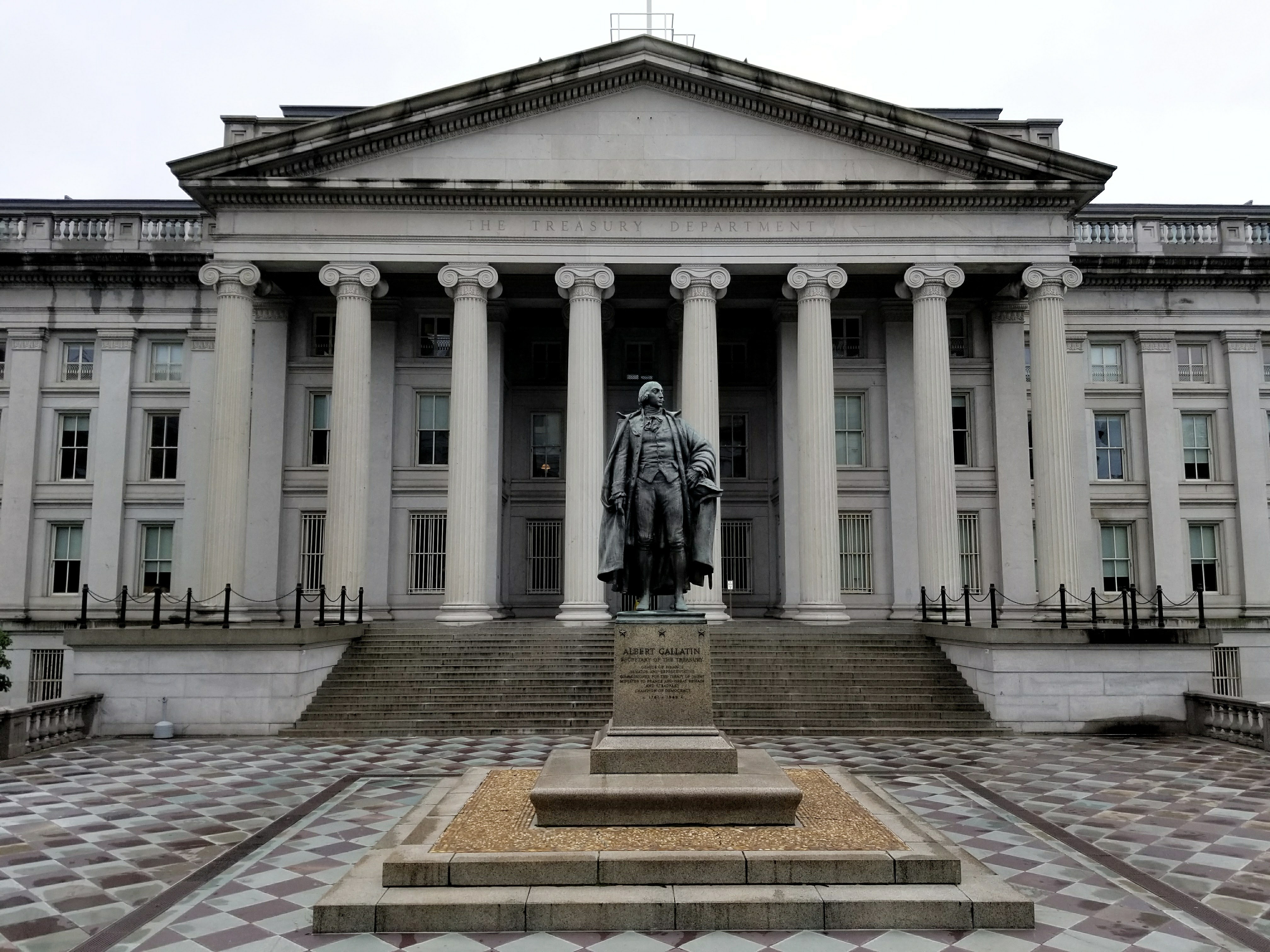
Treasury officials signaled potential further litigation regarding refunds and implementation timelines.
Some Republican lawmakers, including Senator Rand Paul, framed the decision as a reaffirmation of constitutional checks and balances.
Former Vice President Mike Pence characterized the ruling as “a victory for the separation of powers.”
Constitutional and Political Implications
The ruling represents one of the clearest judicial limits placed on executive trade authority in recent history.
Legal scholars say the case reinforces that while presidents have broad authority in foreign policy and trade enforcement, sweeping taxation powers remain firmly within Congress’s domain.
Politically, the decision creates uncertainty over the administration’s next economic moves and may influence ongoing debates over trade, inflation, and midterm electoral dynamics.
For now, the Supreme Court’s message was unambiguous: tariffs are not inherently unconstitutional — but presidents cannot impose them alone.