Trump Fined for Gag Order Violations as Late-Night Clash Escalates
Former President Donald Trump was fined $9,000 after a judge found he violated a court-imposed gag order by publicly attacking witnesses, prosecutors, and jurors connected to his criminal trial.
The ruling came from Judge Juan Merchan, who warned that continued violations could lead to more serious consequences, including potential jail time. While the financial penalty itself may not be substantial, the warning signaled growing judicial frustration over Trump’s repeated public commentary.
The development unfolded alongside another public clash — this time not in a courtroom, but on late-night television.
Courtroom Consequences


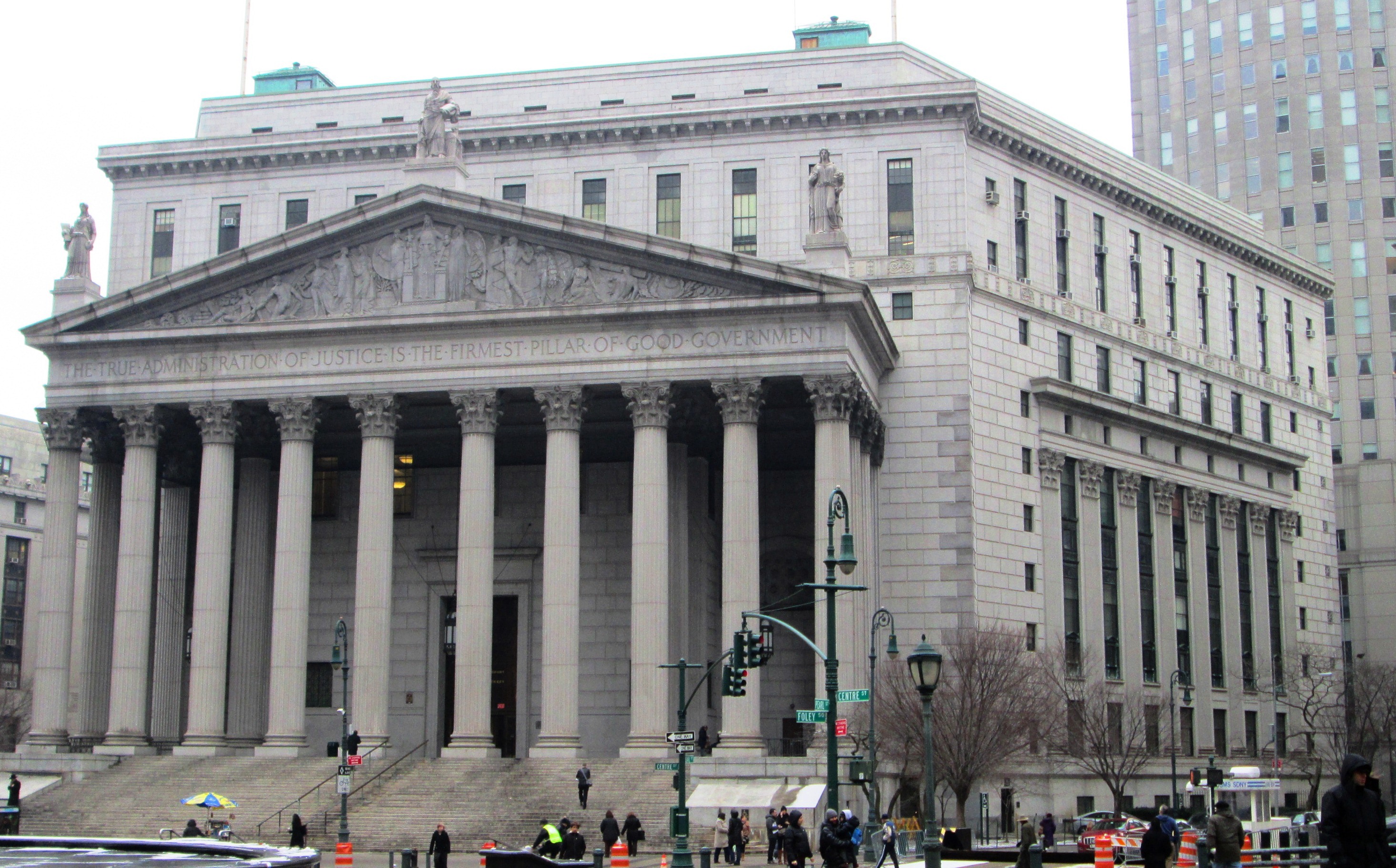
Judge Merchan ruled that Trump’s social media posts violated restrictions designed to protect the integrity of the proceedings. The gag order prohibits public attacks on trial participants.
In issuing the fine, the judge reportedly described the penalty as the maximum currently allowable under state law for those specific violations. He emphasized that further defiance could prompt stronger measures.
Trump has denied wrongdoing and characterized legal actions against him as politically motivated.
A Parallel Battle: Trump vs. Colbert


On the same day, Trump publicly criticized comedian and host Stephen Colbert, calling his show “low-rated” and suggesting networks reconsider his contract.
Colbert responded on The Late Show with a segment focused not on personal insults, but on Trump’s past public statements. Displaying a timeline of the former president’s own quotes, Colbert framed his rebuttal around consistency and record-keeping rather than rhetoric.
At one point, Colbert posed a repeated question: “What specifically was false?” — referring to Trump’s criticisms.
The exchange highlighted a familiar pattern in political-media clashes: accusations met not with counter-accusations, but with calls for specificity.
Political Communication vs. Legal Boundaries


The dual developments — a courtroom fine and a high-profile media dispute — underscore the tightrope Trump continues to walk between political messaging and legal restrictions.
Legal analysts note that gag orders are common in high-profile trials to prevent intimidation or prejudice. Meanwhile, Trump’s public style has long relied on direct and often confrontational communication, especially via social media and rally appearances.
For supporters, the attacks reflect a refusal to be silenced.
For critics, they risk undermining court authority and escalating tension.
What Comes Next
Judge Merchan’s warning suggests that additional violations could trigger escalating penalties. Courts typically have broader authority to impose confinement if fines prove ineffective deterrents.
On the media front, the back-and-forth between Trump and Colbert is unlikely to cool. Late-night television has become a recurring arena for political satire, and Trump remains a frequent subject.
The larger question is whether legal pressure will alter Trump’s public posture — or whether the pattern of confrontation will continue, both in court filings and on television screens.
For now, the fine stands, the warning is on record, and the spotlight remains fixed on what Trump says next.






