Epstein Files: Unredacted Documents Surface, Naming Prominent Republicans and Renewing Scrutiny of Trump-Era Promises
WASHINGTON — A cache of previously redacted documents related to Jeffrey Epstein’s criminal network was posted online late Friday in what appears to be a deliberate, unredacted release, identifying more than 400 individuals associated with the Republican Party, including several high-profile donors, former administration officials, and at least eight current members of Congress.
The documents — flight logs from Epstein’s private aircraft, detailed guest lists from his properties in New York, Palm Beach, and Little St. James, and excerpts of correspondence — were obtained by The New York Times from a person who said they had worked in the Department of Justice during the Trump administration and were motivated by frustration over what they described as “systematic suppression” of the full record.
While the authenticity of the files is still being verified, preliminary analysis by forensic document experts retained by the newspaper suggests they are genuine and consistent with earlier, heavily redacted versions released in civil litigation against Epstein’s estate. The new material contains no new allegations of criminal conduct against the named individuals but provides far greater detail about the frequency and nature of their contact with Epstein.
Among the names that have drawn immediate attention are several longtime Trump allies: former Attorney General William Barr (mentioned in connection with a 2018 meeting at Epstein’s Manhattan townhouse), former National Security Adviser Michael Flynn (listed on multiple flights in 2014–2016), and major Republican donors such as the billionaire Robert Mercer and the hedge-fund manager Paul Singer. Also appearing are Sens. Lindsey Graham (R-S.C.) and Ted Cruz (R-Texas), each referenced in social correspondence with Epstein dating back to the early 2000s.
The White House declined to comment Saturday evening. A spokesperson for the Republican National Committee said the release was “a politically timed distraction engineered by partisan actors,” while individual offices issued brief statements denying any wrongdoing.
The timing of the leak is particularly awkward for former President Donald J. Trump, who during his 2024 campaign repeatedly promised to “release every Epstein file” and expose “the swamp’s darkest secrets.” Mr. Trump’s own name appears in the newly unredacted logs, showing he took at least seven flights on Epstein’s plane between 1993 and 1997, mostly between Palm Beach and New York City. Mr. Trump has long maintained that he banned Epstein from Mar-a-Lago after an incident in the late 1990s and that he had no contact with him after Epstein’s 2008 conviction.
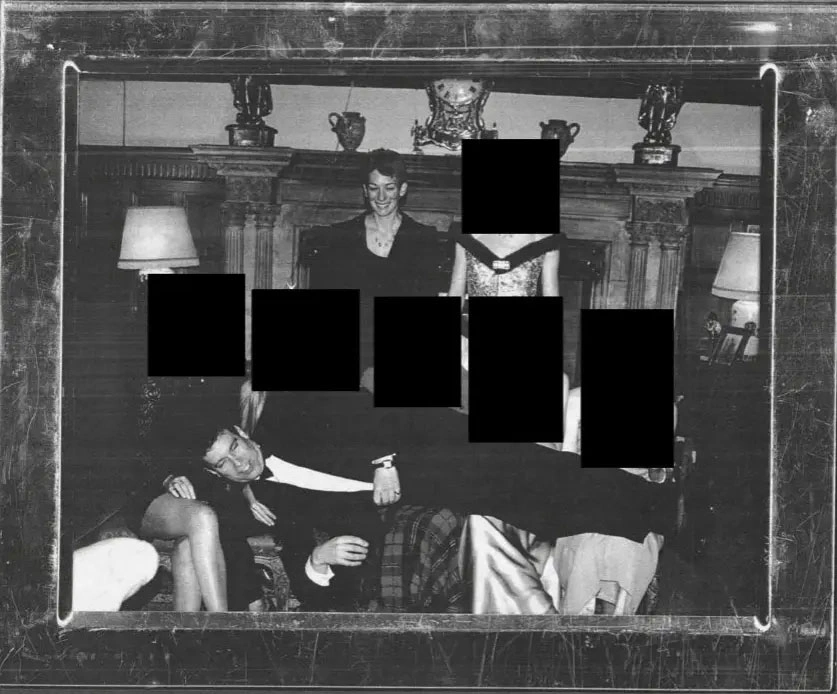
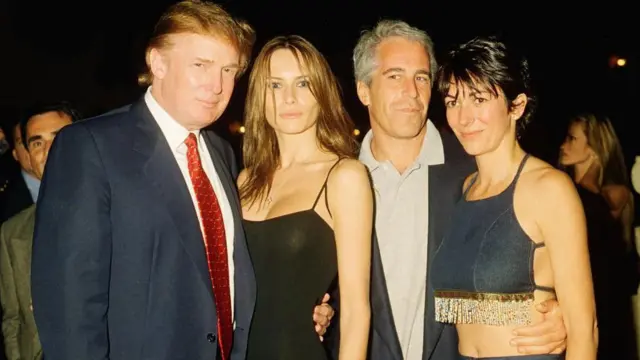
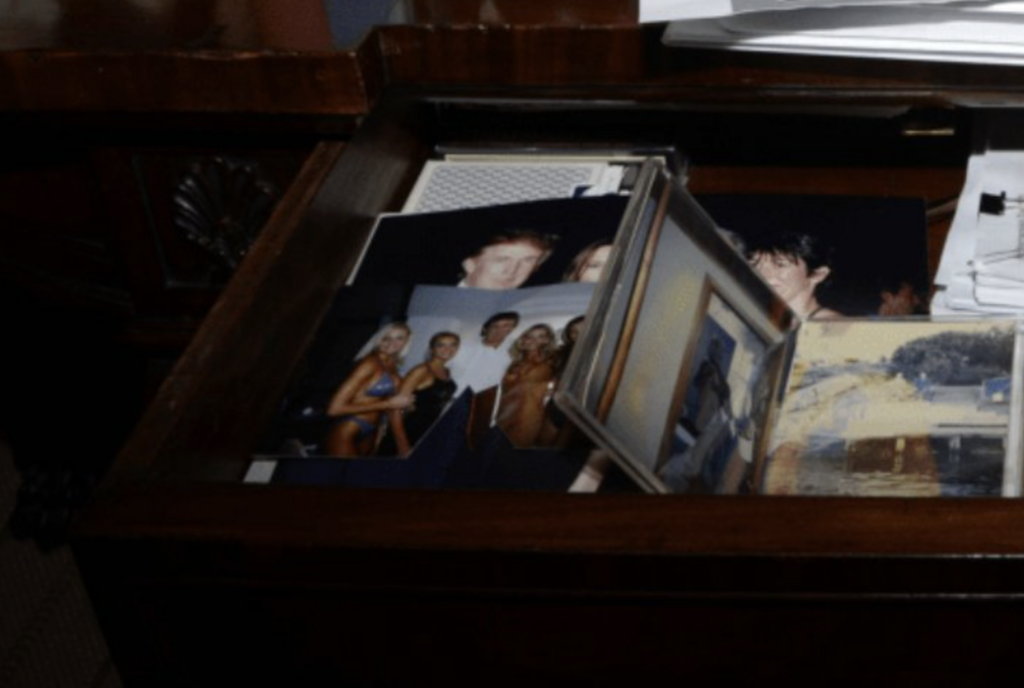
The documents also contain a previously redacted 2015 email from Epstein to a senior aide in Mr. Trump’s 2016 transition team, referencing “our mutual friends in Palm Beach” and attaching photographs from a 2000 party at Epstein’s residence that included Mr. Trump, his then-girlfriend Melania Knauss, and several other prominent Republicans. The email itself contains no incriminating content, but its existence contradicts earlier claims by Trump campaign officials that no such photographs existed.
Legal scholars said the release could complicate ongoing civil suits against Epstein’s estate and potentially reopen questions about whether the Justice Department under Mr. Barr improperly slow-walked or suppressed aspects of the investigation. A former senior prosecutor who worked on the Epstein case, speaking on the condition of anonymity, said the unredacted files “confirm what many of us suspected: the redactions were not about protecting victims, but about protecting powerful people on both sides of the aisle.”
Social-media reaction has been swift and polarized. On X, formerly Twitter, hashtags like #EpsteinFiles and #TrumpKnew trended within hours, while pro-Trump accounts labeled the release a “deep-state forgery.” In private, Republican strategists described the leak as a potential “category-five political storm” ahead of the 2026 midterms.
The Department of Justice said it was “reviewing the circumstances surrounding the apparent unauthorized disclosure” and would not comment further. The person who provided the files to The Times said they expected to be identified and prosecuted but felt compelled to act, stating, “The public deserves the truth — all of it.”
As of Saturday night, no criminal charges had been announced against any of the newly named individuals.






