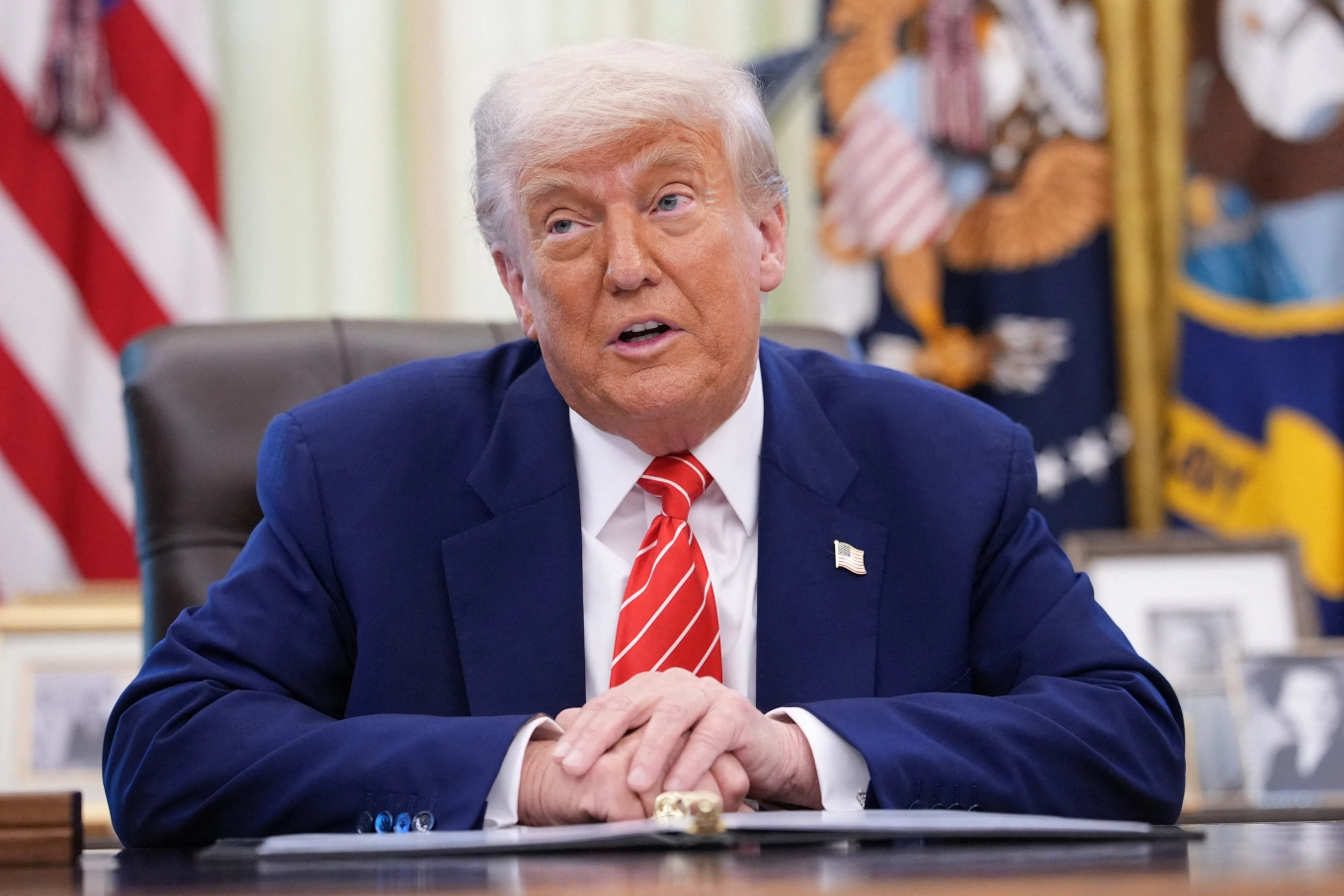
A dramatic new chapter unfolded in Donald Trump’s legal battles as a judge sharply rejected his arguments and cleared the way for New York authorities to move forward with enforcement actions, including asset seizures and account freezes. The ruling marks one of the most consequential moments yet in a case that has steadily tightened around the former president’s business empire, signaling that the court’s patience with delays and procedural maneuvers has reached its limit.
According to the decision, Trump failed to persuade the court that prior findings against him were flawed or improperly reached. The judge’s language was notably direct, dismantling Trump’s claims point by point and affirming earlier conclusions that his organization engaged in systematic financial misrepresentation. With that determination reaffirmed, enforcement mechanisms that had been temporarily paused are now back in motion.
For New York authorities, the ruling opens the door to tangible consequences. Financial accounts may be frozen, and the state could move toward seizing or transferring ownership of high-profile properties tied to the judgment. While the precise scope and timing of these actions will depend on ongoing procedural steps, legal experts say the significance lies less in any single asset and more in the precedent: the law moving from abstract rulings to concrete enforcement.
Prosecutors have long argued that Trump’s business practices followed a consistent pattern. In court filings, they alleged that asset values were inflated when seeking loans or insurance coverage, then sharply deflated when it came time to calculate taxes. The practice, they said, was not occasional or accidental but systemic, designed to maximize advantage in every possible context. The judge’s ruling indicates that the court found these allegations credible and sufficiently supported by evidence.
Supporters of the decision described it as a watershed moment. To them, the ruling represents years of investigation and litigation finally culminating in accountability. They argue that Trump’s prominence and political power have allowed him to postpone consequences that would have arrived much sooner for an ordinary defendant. The move toward asset seizure, in their view, demonstrates that the legal system is capable of enforcing judgments even against the most powerful figures.
“This is what enforcement looks like,” said one former state prosecutor familiar with financial fraud cases. “Courts don’t exist just to issue opinions. At some point, judgments have to mean something in the real world.”
Trump and his allies, however, see the matter very differently. They have repeatedly characterized the case as politically motivated, arguing that prosecutors and judges are targeting him because of his status and influence. Following the ruling, advisers close to Trump warned that the decision would reverberate far beyond the courtroom, energizing his supporters while deepening mistrust among those who already believe the system is biased.
The political implications are difficult to ignore. Trump remains a central figure in American politics, and every legal development intersects with a deeply polarized national climate. Critics of the ruling warn that aggressive enforcement actions could further inflame tensions, potentially reinforcing narratives of persecution among Trump’s base. They caution that even lawful actions, if perceived as partisan, can have destabilizing effects.
Yet supporters counter that the alternative—hesitation or restraint because of political sensitivity—would be far more damaging. In their view, failing to enforce judgments against a former president would create a dangerous exception, signaling that certain individuals operate beyond the reach of the law. The court’s decision, they argue, sends a clear and necessary message: status does not confer immunity.

From a legal standpoint, the ruling underscores the limits of delay. Over the course of the case, Trump’s legal team pursued appeals, motions, and procedural challenges that slowed enforcement. While such tactics are common and often legitimate, the judge’s decision suggests that the court concluded those avenues had been exhausted. The language of the ruling made clear that continued stalling would not be entertained absent new and compelling legal grounds.
Financial analysts are now closely watching what comes next. Asset seizures, even when partial, can disrupt operations, complicate refinancing, and trigger additional scrutiny from lenders and partners. The psychological effect can be as significant as the financial one, signaling instability and inviting further challenges. For a business empire built heavily on leverage and brand value, the consequences could extend well beyond the immediate scope of the judgment.
At the same time, legal experts caution that enforcement is rarely instantaneous. Trump retains the ability to pursue additional appeals and negotiations, and the process of valuing, freezing, or transferring assets can take time. Still, the trajectory has clearly shifted. What was once a theoretical threat has become a practical reality.
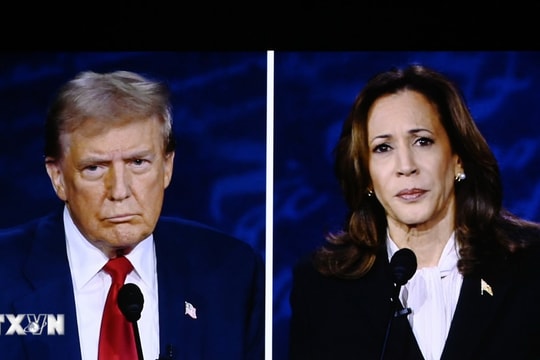
Nationally, the ruling has reignited debate over accountability and the rule of law. For many Americans, the case encapsulates a broader question: whether institutions are willing and able to apply legal standards consistently, regardless of power or popularity. The phrase now circulating widely—“no one is above the law”—has become both a rallying cry and a point of contention.
As enforcement actions proceed, the case is likely to remain at the center of public attention. Each step, from account freezes to potential property transfers, will be scrutinized not only for its legal merits but for its political impact. The outcome may shape perceptions of the justice system for years to come.
For now, the message from the court is unmistakable. The arguments have been heard, the claims rejected, and the consequences are moving forward. Whether viewed as long-overdue accountability or a flashpoint in an already divided nation, the legal hammer has fallen—and its reverberations are only beginning to be felt.