Trump Administration Faces Scrutiny Over Missing Epstein Files Amid Transparency Law Rollout
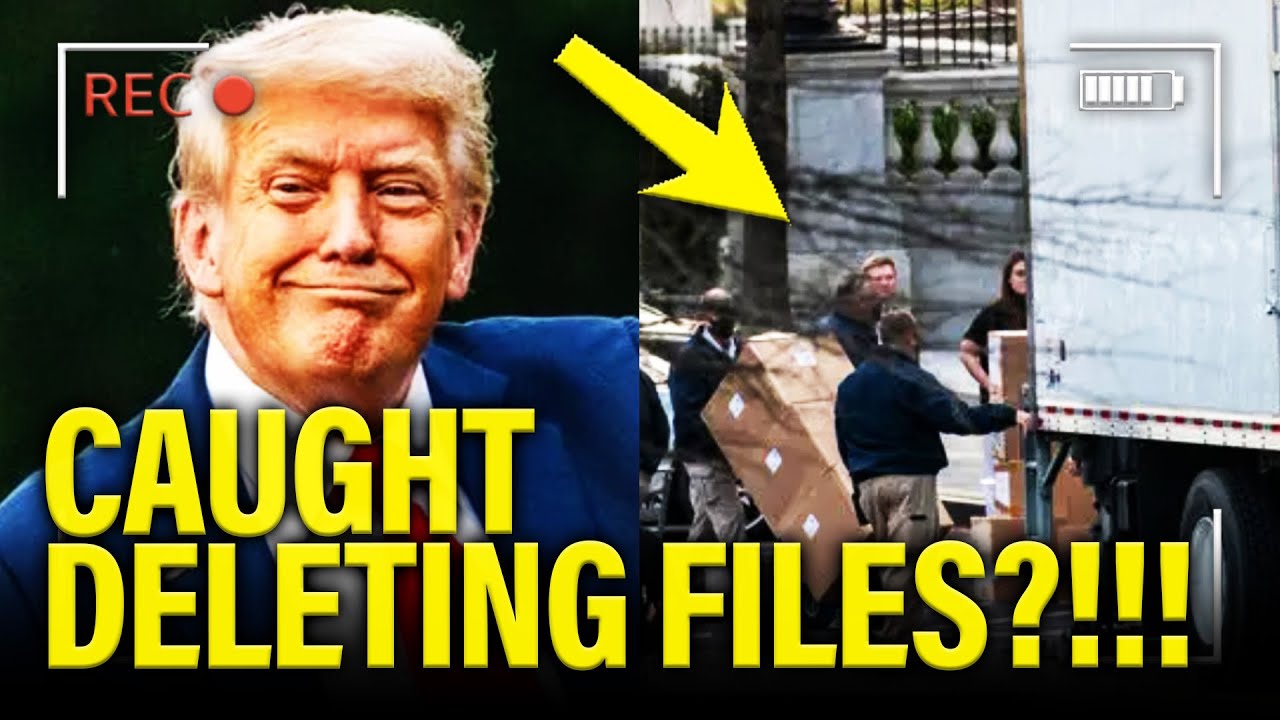
WASHINGTON — In a move that has ignited fresh debates over government accountability and the handling of sensitive criminal records, the Justice Department under President Donald J. Trump has come under fire for the abrupt disappearance of at least 16 files from its public website dedicated to documents related to Jeffrey Epstein, the convicted sex offender whose connections to powerful figures have long fueled speculation and controversy. The files, which included photographs potentially linking Mr. Trump to Epstein’s inner circle, vanished less than a day after their initial release on Friday, according to an analysis by The Associated Press.
The incident stems from the Epstein Files Transparency Act, a bipartisan law passed earlier this year mandating the disclosure of vast troves of Epstein-related materials by Dec. 19, with redactions limited primarily to victims’ names. Sponsored by Representatives Ro Khanna, a Democrat from California, and Thomas Massie, a Republican from Kentucky, the act aimed to shed light on Epstein’s sprawling network of influence, which ensnared politicians, celebrities and business tycoons before his death in federal custody in 2019. Yet, critics argue the administration’s implementation has fallen short, raising questions about selective redactions and outright removals that appear to shield politically connected individuals.
Among the missing documents was File 468, a photograph depicting a desk adorned with images, including one showing Mr. Trump alongside Epstein, Melania Trump (then Knauss) and Ghislaine Maxwell, Epstein’s longtime associate who was convicted in 2021 of sex trafficking. When zoomed in, the image revealed what appeared to be young women of unclear age, prompting immediate speculation on social media platforms like X (formerly Twitter). By Saturday, the file—and 15 others—had been scrubbed from the site, leaving gaps in the numerical sequence of uploaded documents. A Justice Department spokesperson declined to comment on the removals, citing ongoing review processes, but internal memos obtained by Bloomberg suggest assertions of privileges such as attorney-client and deliberative process exemptions, which were not explicitly barred by the act.

This episode unfolds against a backdrop of heightened partisan tensions. House Speaker Mike Johnson, a Louisiana Republican, had previously voiced concerns during congressional debates that unredacted releases could “create new victims” by tarnishing innocent reputations through guilt by association. In a PowerPoint presentation circulated among lawmakers, Mr. Johnson highlighted risks to “politically exposed individuals,” a phrase that opponents interpret as code for protecting allies. Meanwhile, Democratic leaders and advocacy groups, including survivors’ networks, have decried the handling as a “cover-up.” One Jane Doe survivor, whose identity was inadvertently disclosed in the Friday dump despite the law’s protections, sent a formal letter to the department protesting the “grave and indefensible violation,” as reported by the Midas Touch Network.
Adding layers to the intrigue, redactions in other documents appear inconsistent. A witness statement initially released on Friday referenced Mr. Trump by name in graphic allegations—claims that were vehemently denied at the time and remain unsubstantiated—but by Saturday, his name had been blacked out. Legal experts, including Jason Leopold of Bloomberg, point to a letter from Todd Blanche, a senior Justice official, to Congress invoking common-law privileges to withhold “vast swaths” of investigative materials, including FBI notes, wiretaps and internal deliberations from Epstein’s 2007 plea deal and subsequent probes. “The act doesn’t expressly require producing privileged materials,” Mr. Blanche wrote, a stance that transparency advocates like the Electronic Frontier Foundation call a loophole exploitation.

The broader implications extend beyond Epstein’s case. With terabytes of data at stake—encompassing witness interviews, surveillance footage and financial records—the partial release, estimated at just 5 percent of the total, has frustrated journalists and lawmakers alike. Representative Massie, one of the bill’s co-sponsors, has publicly called for the impeachment of Attorney General Pam Bondi, labeling the deletions a “clear crime” under the act’s provisions against withholding for reputational harm. On the other side, Trump allies, including Representative Marjorie Taylor Greene, have demanded full releases while accusing Democrats of politicizing the issue.
Public reaction has been swift and polarized. Online, hashtags like #EpsteinCoverUp trended over the weekend, with users sharing screenshots of the vanished files before they were pulled. A undercover video from months earlier, featuring a Justice official allegedly admitting to redacting “every Republican or conservative person,” resurfaced, amplifying distrust. As distractions mount—coinciding with announcements of military operations in Syria and the seizure of a Venezuelan oil tanker—critics see a pattern of deflection.

For survivors, the stakes are personal. “This isn’t about politics; it’s about justice delayed,” said Virginia Giuffre, a prominent Epstein accuser, in a statement to The Times. As investigations into the deletions proceed, with calls for congressional hearings, the episode underscores enduring questions about power, privilege and the limits of transparency in America’s justice system. Whether these missing files resurface—or what they might reveal—remains uncertain, but the controversy ensures Epstein’s shadow lingers over the Trump era.






