Trump’s Criticism of the Supreme Court Intensifies After Tariff Ruling


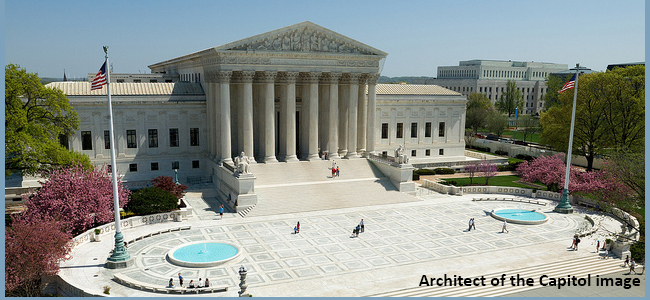
WASHINGTON — President Donald Trump has escalated his public criticism of the Supreme Court of the United States following its recent decision limiting aspects of his tariff authority, setting up an unusual dynamic ahead of his upcoming State of the Union address, where several justices are expected to be seated directly before him.
In a series of remarks and interviews, Trump described the ruling as “deeply disappointing” and said he was “ashamed of certain members of the court.” The decision, issued in a 6–3 ruling, concluded that the president had exceeded statutory authority in imposing sweeping global tariffs under emergency powers.
Personal Criticism of Individual Justices

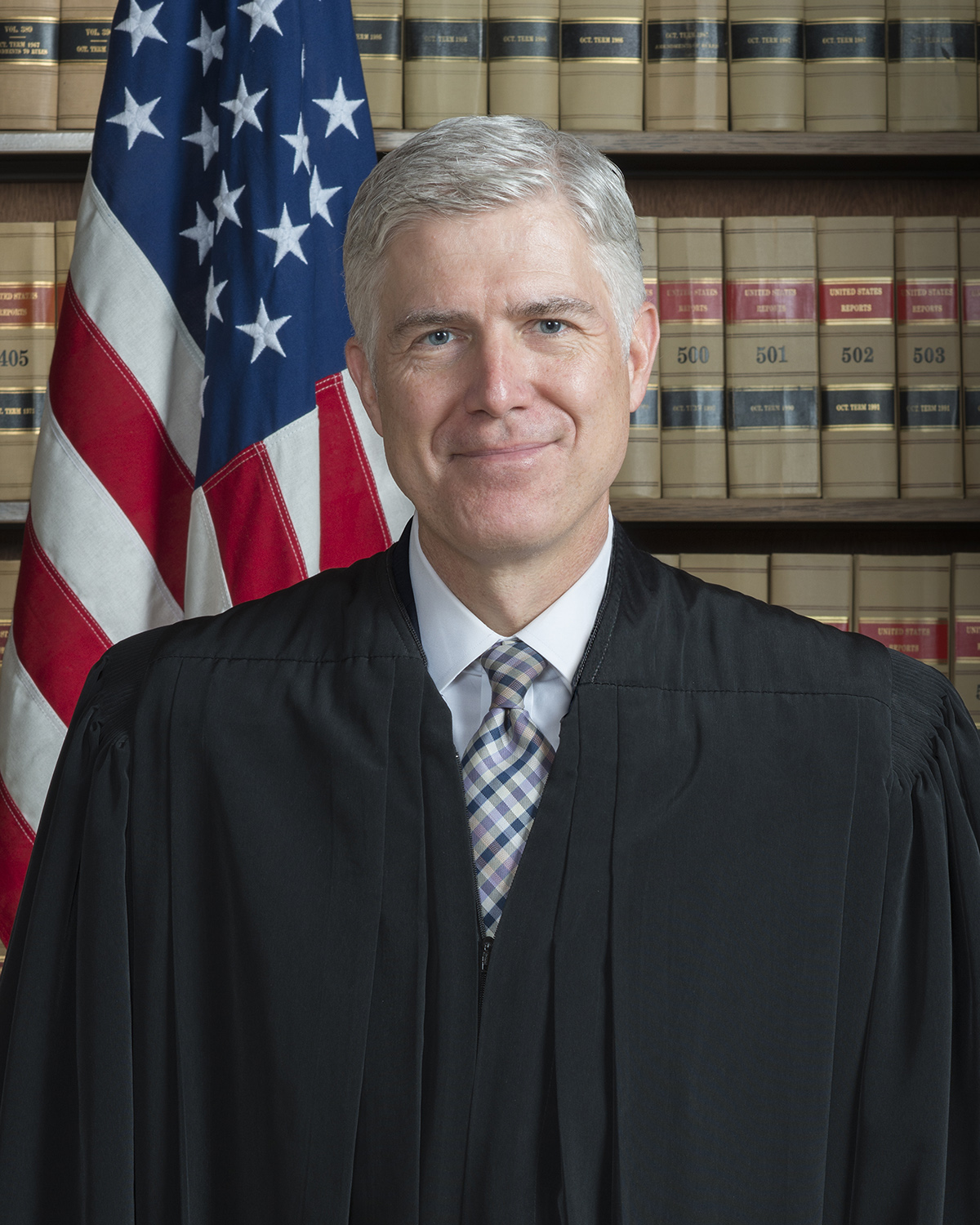

Trump’s comments went beyond criticism of the ruling itself. He singled out Justices Amy Coney Barrett and Neil Gorsuch, both of whom he appointed, calling the decision “an embarrassment” and suggesting it reflected poorly on them personally.
Legal scholars note that presidents have historically criticized court decisions, but direct personal attacks on sitting justices are rare. The Supreme Court does not respond publicly to political criticism, leaving justices without a platform to rebut such claims.
Claims of “Foreign Influence”


During one exchange with reporters, Trump suggested the possibility of foreign influence affecting the Court’s decision, though he did not provide evidence when pressed. “You’re going to find out,” he said when asked to substantiate the claim.
There is no public indication of foreign involvement in the Court’s ruling. Legal experts say such accusations, absent evidence, risk further straining relations between the executive branch and the judiciary.
The Tariff Case at Issue


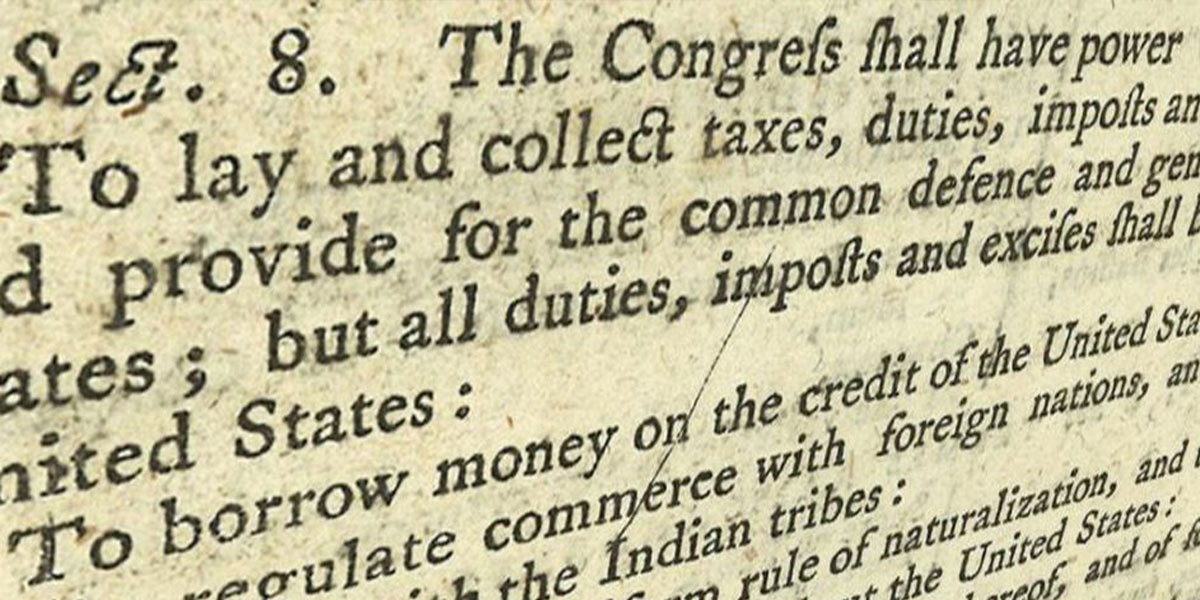
At the heart of the dispute is Article I, Section 8 of the Constitution, which grants Congress the authority to levy taxes and duties. The Court determined that the statutory framework cited by the administration did not authorize the breadth of tariffs imposed.
While the ruling narrows the administration’s approach, it does not foreclose all trade remedies. The White House has signaled it will pursue alternative legal pathways under other trade statutes.
Political Context Ahead of the State of the Union


The confrontation arrives days before the State of the Union address, a constitutionally mandated report delivered before a joint session of Congress. Justices traditionally attend as a matter of custom, though they do not participate.
The president’s remarks have prompted speculation about whether he will directly reference the ruling in his speech. Historically, tensions between presidents and the Court have occasionally surfaced during such addresses, though rarely with pointed personal language.
Historical Parallels and Judicial Sensitivity


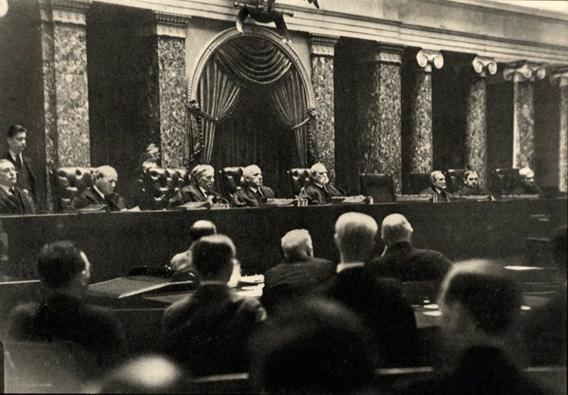
Observers recall a 2010 moment when then-President Barack Obama criticized the Court’s Citizens United decision during a State of the Union address, prompting a visible reaction from Justice Samuel Alito.
Judges are generally constrained from responding to political statements, a reality that can leave them vulnerable to public criticism without rebuttal. Legal historians note that while friction between branches is not new, overt personal disparagement has been uncommon.
Implications for Pending Cases

The administration currently has multiple cases pending before the Supreme Court. Legal analysts say public attacks are unlikely to influence judicial outcomes, but they may contribute to broader debates about separation of powers and institutional norms.
Some scholars argue that such rhetoric could complicate perceptions of executive respect for judicial independence. Others contend that justices, insulated by lifetime tenure, are unlikely to be swayed by political commentary.
A Broader Struggle Over Institutional Authority


The episode underscores ongoing tensions between the executive branch and the judiciary during Trump’s second term. While the Court has previously ruled in ways favorable to the administration — including decisions expanding presidential immunity for official acts — it has also placed limits on executive authority in areas such as trade.
As the State of the Union approaches, the president will address lawmakers and the nation in a chamber that embodies the constitutional balance among branches. Whether his recent criticisms will echo in that setting remains to be seen, but the episode highlights the fragile equilibrium at the center of American governance.






