World Cup 2026 Crisis: How Trump’s Travel Ban Threat Could Reshape Global Soccer and North American Diplomacy
A Political Shockwave Before the World Cup
The 2026 FIFA World Cup — scheduled to be co-hosted by the United States, Canada, and Mexico — is being described by some commentators as facing a potential geopolitical crisis.
According to political media reports, U.S. President Donald Trump signed an executive order restricting certain categories of visas for multiple nations, including several European countries. While full implementation details and scope remain subject to official clarification, the mere suggestion of travel restrictions has ignited intense debate across diplomatic and sporting circles.
The United States is expected to host 78 of the tournament’s matches, including the final in New Jersey. Any disruption to international travel — particularly involving fans, media, or team personnel — would carry significant economic and logistical consequences.
At the center of the political contrast narrative is Canadian Prime Minister Mark Carney, who has been portrayed in commentary as offering stability amid uncertainty.
But how serious is the situation — and what are the real implications
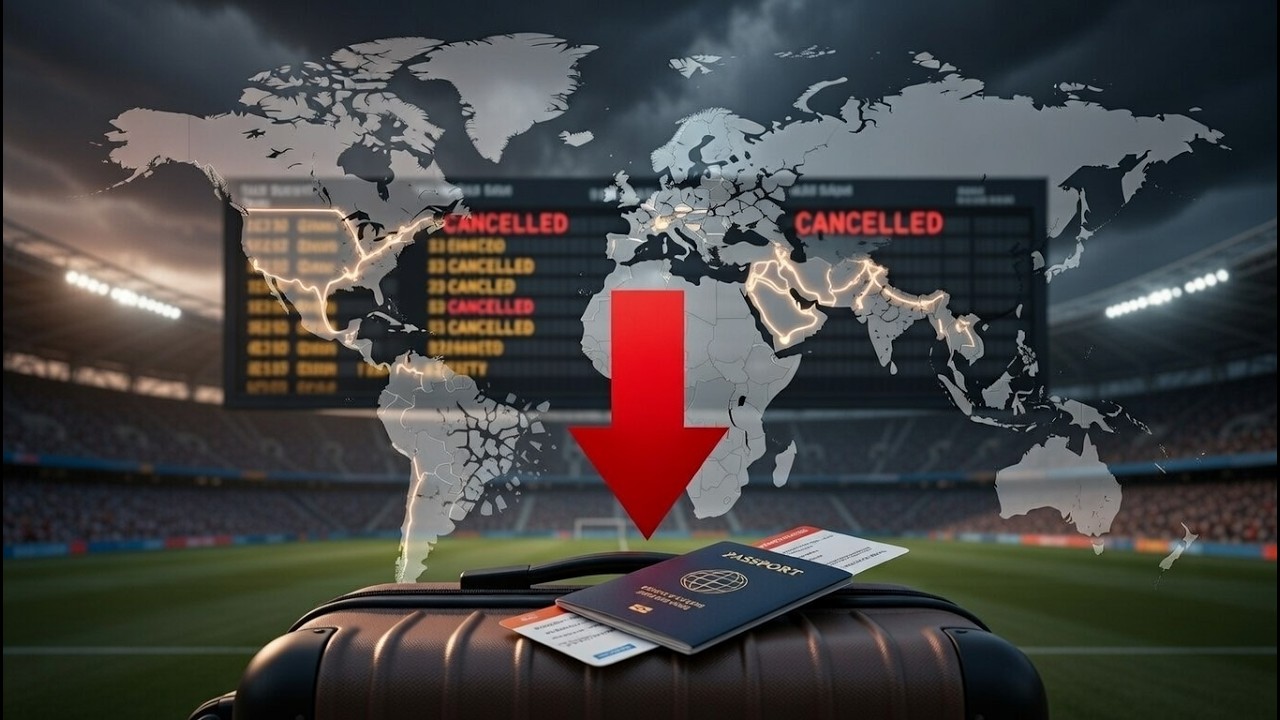
The Economic Stakes of the 2026 Tournament
The 2026 edition of the FIFA World Cup is projected to be the largest in history, expanding to 48 teams and expected to generate billions in tourism revenue.
Economic forecasts tied to U.S. host cities estimate:
-
Billions in hotel and hospitality spending
-
Major airline revenue surges
-
Infrastructure investments and job creation
-
Increased global media exposure
Cities such as Miami, Dallas, Los Angeles, Seattle, and New York/New Jersey have already committed substantial public funding to prepare stadiums, transit systems, and security operations.
Even modest uncertainty around entry policies can influence international travel behavior months in advance.
Travel planning for major sporting events often begins a year ahead. Visa unpredictability can cause:
-
Postponed bookings
-
Corporate sponsor hesitation
-
Insurance cost increases
-
Airline route adjustments
Markets react not only to policy — but to perceived instability.
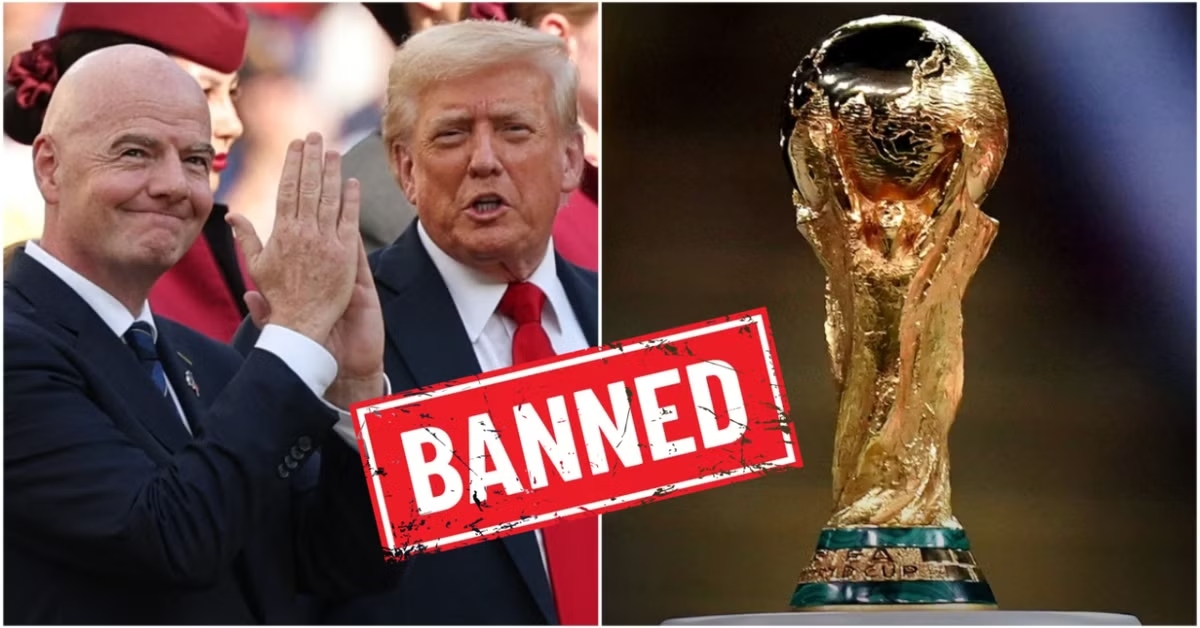
What Has Actually Been Confirmed?
It is important to separate rhetoric from verified fact.
As of now:
-
There has been no official announcement canceling World Cup matches.
-
FIFA has not stripped hosting rights from the United States.
-
Flights to major U.S. cities continue operating normally.
However, if visa categories were restricted in a way that impacts athletes, coaching staff, journalists, or fans, FIFA would face enormous logistical pressure.
FIFA hosting agreements require host nations to guarantee access for qualified teams and accredited personnel. Any legal barrier would trigger immediate diplomatic engagement.
Europe’s Reaction: Frustration or Strategic Recalculation?
European governments have historically defended visa reciprocity and travel stability as pillars of international cooperation.
If restrictions target countries with qualified national teams, European leaders would likely pursue:
-
Direct diplomatic negotiations
-
Legal clarifications through treaty frameworks
-
Pressure via trade or alliance channels
The broader issue is trust.
Mega-events like the World Cup are not only sporting competitions — they are geopolitical showcases.
If entry policies appear unpredictable, long-term implications could extend beyond soccer into trade, technology cooperation, and defense coordination.
Canada’s Strategic Position
Canada, as co-host, finds itself in a uniquely advantageous diplomatic position.
Toronto and Vancouver were originally scheduled to host 13 matches combined. If travel friction significantly affected U.S. venues, Canada could theoretically:
-
Expand fan zones
-
Increase match allocations (subject to FIFA approval)
-
Offer streamlined visa processes
Carney’s government has emphasized multilateral cooperation and economic integration. In a scenario where the U.S. faces criticism for restrictive entry policy, Canada could frame itself as a reliable alternative gateway into North America.
However, shifting major tournament infrastructure is complex. Stadium readiness, broadcasting logistics, ticket allocations, and security contracts are negotiated years in advance.
A large-scale relocation would be extraordinary.
Corporate Sponsors and Financial Pressure
Global brands invest hundreds of millions into World Cup campaigns. Major sponsors expect predictable access to global audiences.
If political uncertainty threatens attendance or media flow, sponsors may:
-
Seek reassurances from FIFA
-
Demand policy clarification
-
Adjust marketing allocations
However, multinational corporations generally prefer quiet negotiation over public confrontation.
Economic leverage tends to operate behind closed doors.
The Legal Reality
Host country agreements typically include provisions guaranteeing entry to:
-
Players
-
Coaches
-
Officials
-
Media
-
Commercial partners
If visa restrictions conflict with those commitments, legal remedies could involve:
-
Temporary waivers
-
Event-specific exemptions
-
Emergency diplomatic accords
Historically, even politically tense administrations have granted sporting exemptions for Olympic Games and World Cups.
Sporting diplomacy often overrides domestic posturing.
Three Possible Scenarios
Scenario 1: Policy Clarification and Exemptions
The administration clarifies that athletes, accredited staff, and ticket-holding fans are exempt from restrictions. Markets stabilize. The tournament proceeds as planned.
Scenario 2: Limited Friction, Partial Adjustments
Visa processing delays create logistical complications, but no major match relocation occurs. Economic impact remains manageable.
Scenario 3: Escalation and Diplomatic Confrontation
If entry barriers affect qualified teams directly, FIFA could consider emergency reallocation of certain matches to Canada or Mexico. This would be unprecedented but legally conceivable under extreme conditions.
At present, Scenario 1 remains most consistent with historical precedent.
Beyond Soccer: The Geopolitical Signal
The broader narrative unfolding is about reliability.
When nations host mega-events, they are making a statement:
We are open.
We are stable.
We are dependable.
If policy shifts appear abrupt or politically motivated, long-term perception risk emerges.
Global investment decisions weigh political predictability heavily. A country perceived as volatile may see:
-
Reduced foreign direct investment
-
Increased corporate risk premiums
-
Talent migration shifts
Even symbolic crises can influence economic psychology.
The North American Balance
The 2026 World Cup was originally awarded to a unified North American bid — symbolizing continental cooperation.
If internal tensions dominate headlines, the symbolic message changes.
For Canada, positioning as a steady partner enhances its diplomatic brand.
For the United States, ensuring smooth tournament operations protects both revenue and reputation.
For Mexico, maintaining trilateral coordination remains essential to tournament credibility.
The stakes are not only financial — they are reputational.
Will the World Cup Actually Collapse?
Despite dramatic commentary online, there is currently no evidence that the tournament is collapsing.
Air travel continues. FIFA remains publicly committed. Preparations are ongoing.
Mega-events have survived:
-
Security scares
-
Political protests
-
Public health crises
-
Diplomatic disputes
The World Cup is structurally resilient.
However, perception matters in international relations.
If leaders escalate rhetoric rather than negotiate exemptions, tension could persist into the summer of 2026.
Final Assessment
The 2026 World Cup represents more than soccer. It is a test of diplomatic coordination, economic interdependence, and political maturity.
If travel policy becomes a bargaining tool, the consequences extend beyond stadiums.
If exemptions and diplomacy prevail, the crisis narrative may fade quickly.
For now, the situation remains fluid.
But one fact stands out:
In an era where global events double as geopolitical stages, even the suggestion of a travel barrier can reverberate through markets, alliances, and international trust.
The tournament is still scheduled. The host cities are still preparing.
The question is not whether the World Cup will happen.
The question is how leaders choose to shape the story before kickoff.






