Recent posts from Donald Trump have ignited another round of political controversy, as the former president used his social platform to criticize political rivals, defend allies and respond to mounting legal and economic challenges. The flurry of messages, published within hours of each other, touched on everything from national security to trade policy — and quickly drew sharp reactions from critics and supporters alike.
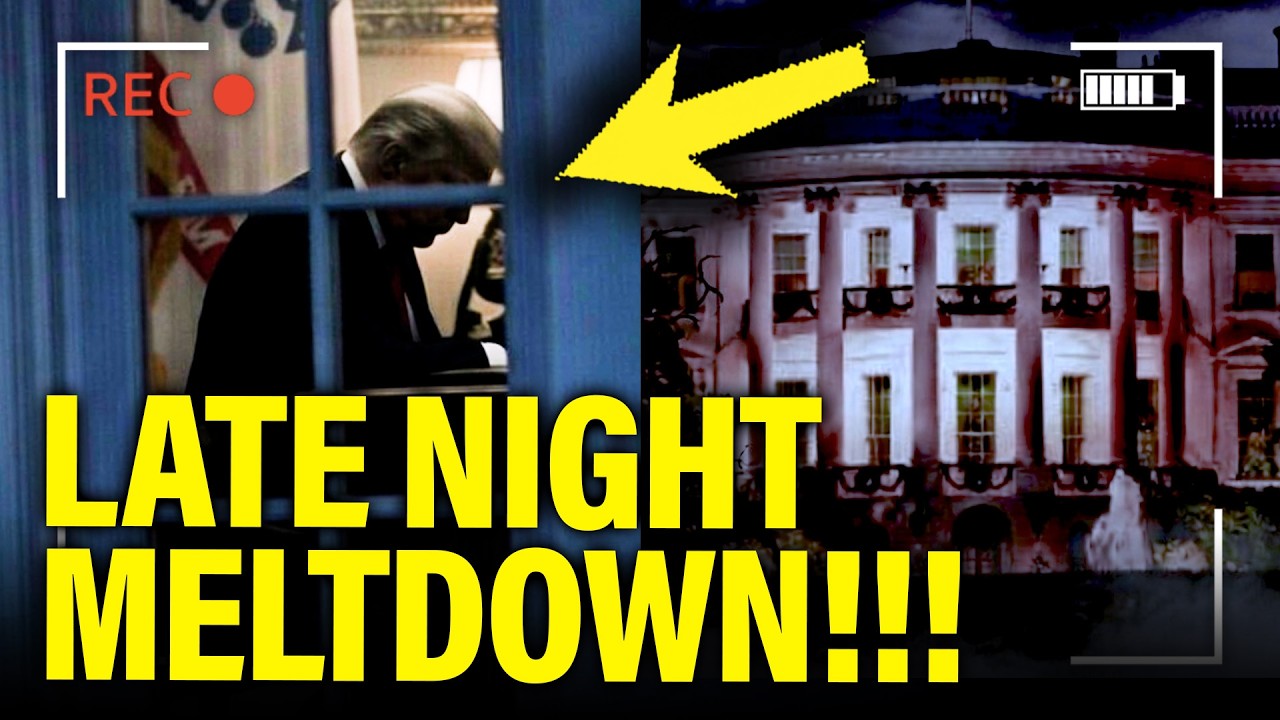
Among the posts were references to California Governor Gavin Newsom, comments about former Obama-era officials including John Brennan and James Comey, and praise for Director of National Intelligence Tulsi Gabbard. Trump framed the discussion as part of a broader reckoning with what he characterized as past national security overreach. Opponents, however, described the posts as inflammatory and distracting at a time of heightened global tension.
Foreign policy has become an especially charged theme. Trump reiterated warnings toward Iran, insisting that he would prefer a negotiated agreement but signaling readiness for military action if necessary. He also dismissed reports suggesting disagreement within the military leadership, defending General Daniel Kaine and asserting that any decision regarding Iran would be his alone. Critics questioned the messaging, arguing that contradictory statements about previous strikes and diplomatic efforts have created confusion.

At the same time, economic concerns are intensifying. Following a Supreme Court ruling striking down tariffs imposed under the International Emergency Economic Powers Act, several corporations — including FedEx — have reportedly pursued legal action seeking refunds. Markets reacted with volatility, with major indices experiencing significant declines. Trump defended his tariff strategy as essential to correcting trade imbalances, while critics blamed the policy uncertainty for investor unease.
The international landscape adds another layer of complexity. Canada’s Prime Minister, Mark Carney, has embarked on a series of diplomatic visits to Asia and Europe aimed at diversifying trade relationships. Analysts interpret the outreach as part of a broader recalibration among U.S. allies navigating shifting American trade and foreign policy positions.
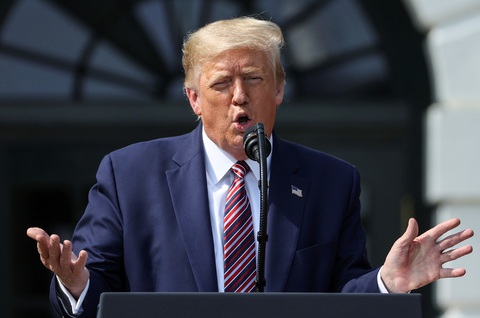
Meanwhile, commentary from administration figures has also drawn scrutiny. Vice President JD Vance highlighted domestic manufacturing growth, pointing to new factories and reshoring efforts. Critics counter that detailed data on job creation and production capacity remains mixed, with economists divided over the long-term effects of tariff-driven industrial policy.
The swirl of online exchanges, legal disputes and geopolitical maneuvering underscores the polarized climate surrounding Trump’s presidency. Supporters argue that his confrontational style and aggressive economic posture reflect decisive leadership. Detractors contend that the rhetoric, combined with policy unpredictability, contributes to domestic instability and strained alliances abroad.
As political tensions escalate and economic indicators fluctuate, the battle over narrative control continues to play out across social media, courtrooms and global capitals. Whether Trump’s strategy consolidates support or deepens divisions remains an open question — but the pace and intensity of the discourse show little sign of slowing.






