Clinton Demands Full Release of Epstein Files, Accusing Trump Administration of Selective Disclosure
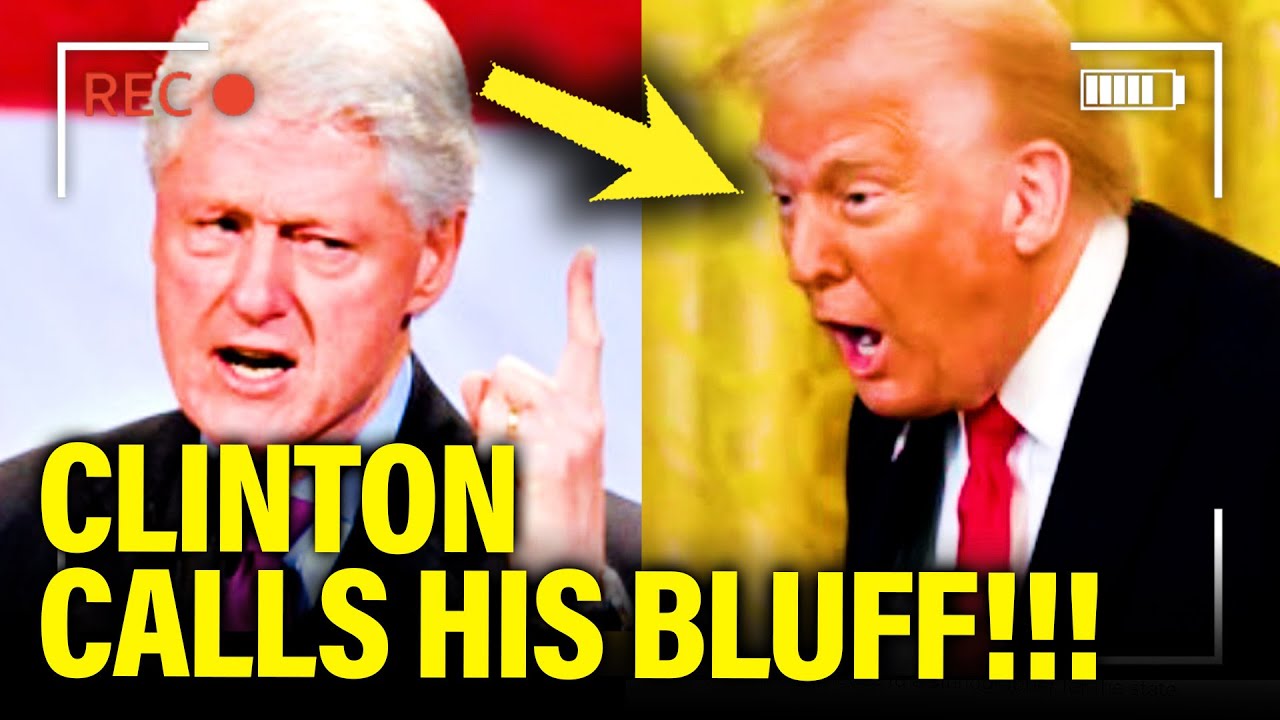
In a rare and pointed public statement, former President Bill Clinton has called on President Donald J. Trump to order the immediate and complete release of all remaining Epstein-related materials held by the Department of Justice, including grand jury transcripts, interview notes, photographs, and other records that may reference him.
The move, delivered through a spokesman on Tuesday, comes amid intensifying partisan battles over the so-called Epstein Files Transparency Act, a law passed last year that requires the Justice Department to disclose documents related to the late financier and convicted sex offender Jeffrey Epstein. Mr. Clinton’s statement sharply criticizes what it describes as the Trump administration’s “selective” and “incomplete” handling of the files, suggesting that the partial releases — heavily redacted in many instances — are designed to protect unnamed individuals while casting suspicion on others.
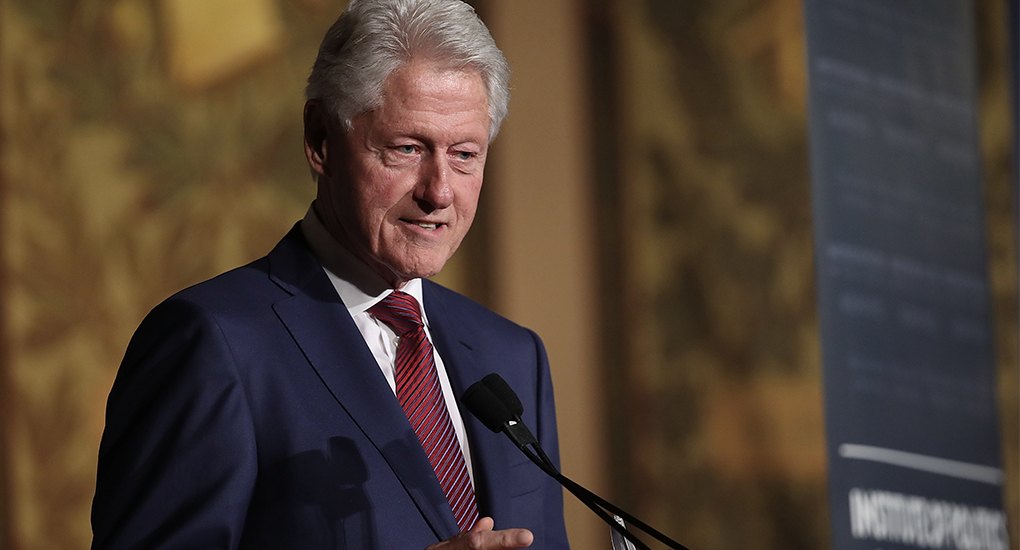
“We need no such protection,” the spokesman said on behalf of Mr. Clinton. “The Epstein Files Transparency Act imposes a clear legal duty on the U.S. Department of Justice to produce the full and complete record the public demands and deserves. What has been released so far makes one thing clear: someone or something is being protected. We do not know whom, what, or why, but we do know this: we need no such protection.”
The former president’s call for transparency follows weeks of escalating accusations from Mr. Trump and his allies, who have repeatedly suggested that Mr. Clinton maintained close ties to Epstein and may have visited his private island in the U.S. Virgin Islands. Mr. Trump has also called for investigations into several prominent Democrats and donors, including former Treasury Secretary Lawrence H. Summers and LinkedIn co-founder Reid Hoffman, whom he has linked to Epstein without providing evidence.
On Friday, the Justice Department released a limited batch of documents, including photographs of Mr. Clinton in various social settings, some of which appeared to be decades old and unrelated to Epstein’s criminal activities. The releases were immediately criticized by legal experts and transparency advocates for their redactions and selective focus. Among the images were photographs taken at the Empire Hotel pool in Brunei — not Epstein’s private island — and others showing Mr. Clinton with entertainers Michael Jackson and Diana Ross alongside her children, taken in the 1990s.

Mr. Clinton’s statement explicitly demands the unredacted release of any such materials, including grand jury records and photographs, and accuses the department of violating the spirit of the Transparency Act by using partial disclosures to “insinuate wrongdoing” about individuals who have been repeatedly cleared by federal investigators across multiple administrations.
The former president’s intervention has drawn swift reactions from both sides of the political aisle. Democratic lawmakers and legal analysts have praised the move as a push for genuine accountability, while some Republicans have dismissed it as an attempt to deflect attention from longstanding allegations. Mr. Trump, speaking to reporters late Tuesday, reiterated his position that Epstein’s associates were primarily Democrats and that “the evidence points elsewhere.”
Behind the scenes, administration officials have privately acknowledged the political risks of the ongoing document releases. One senior Justice Department official, speaking on the condition of anonymity to discuss internal deliberations, said the department was still reviewing thousands of pages of material, including sealed grand jury records that are subject to strict legal protections. The official emphasized that any further releases would be guided by court orders and privacy considerations.
The controversy has also reignited debate over the handling of Epstein’s case during the Trump administration’s first term. In 2019, then-Labor Secretary Alexander Acosta — who had previously overseen Epstein’s controversial 2008 plea deal as U.S. attorney in Miami — resigned after renewed scrutiny of the arrangement. Mr. Trump has defended Mr. Acosta’s tenure but has not addressed the plea deal directly in recent weeks.

Mr. Clinton, who has long denied any knowledge of Epstein’s criminal activities, has cooperated with federal investigators in the past and has not been accused of wrongdoing in connection with the case. In a 2019 statement, he acknowledged traveling on Epstein’s private plane several times but said he had not spoken to Epstein in more than a decade and was unaware of the financier’s alleged sex trafficking.
As the political and legal pressure mounts, the Justice Department faces growing calls to clarify its timeline for full compliance with the Transparency Act. Legal scholars warn that further delays or selective disclosures could undermine public trust in the department and fuel conspiracy theories on both sides.
For now, the standoff has transformed a long-dormant scandal into a live political flashpoint — one that neither party appears eager to see fully resolved.