Recent public appearances by Donald Trump have sparked renewed discussion about his tone, messaging, and overall presentation — particularly as he heads into a highly anticipated State of the Union address.
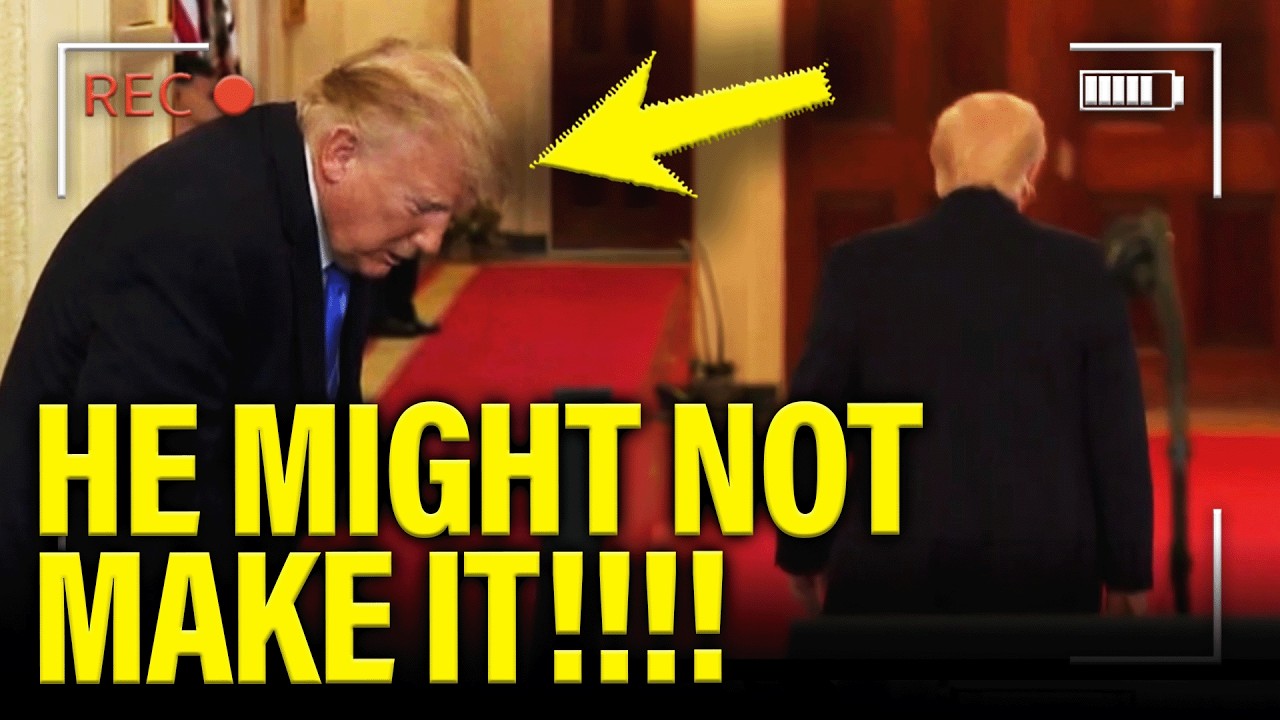
In multiple speeches over the past week, Trump made a series of reflective and at times unconventional remarks, including comments about mortality, faith, and political opposition. During one appearance, he told supporters, “I don’t know how long I’ll be around. Got a lot of people gunning for me.” In another rally setting, he spoke candidly about heaven and worthiness, framing his comments as partly humorous but layered with seriousness.
Supporters often interpret these remarks as rhetorical flourishes — part of Trump’s long-standing dramatic speaking style. Critics, however, argue that the repeated references to survival and uncertainty raise questions about the tone and focus of his messaging.
Shifting Themes in Public Speeches
Trump has also continued to lean into anecdotal storytelling during rallies, recounting conversations with supporters who praised his tariff policies in exaggerated terms. In one instance, he described a man telling him he wanted to “kiss” him out of gratitude for economic decisions. The comments were delivered in a joking manner, but they drew mixed reactions online.
At a separate event, Trump spoke about helping an individual receive eye surgery, pivoting mid-speech between policy themes and personal interactions in the crowd — a style that has become characteristic of his rally format. Observers noted that the delivery was free-flowing and often digressive, blending policy criticism with spontaneous engagement.
Social Media Posts Add Fuel
Trump’s social media activity has further amplified the conversation. In recent posts, he referenced California Governor Gavin Newsom in a way that some interpreted as confusion about the current election cycle. He also reposted content about former Obama-era officials and shared AI-generated imagery depicting himself in exaggerated scenarios.
Additionally, Trump claimed that a U.S. hospital ship was being deployed to Greenland — a statement that Pentagon officials reportedly clarified had not been ordered. Danish officials responded humorously to the idea, with one viral post joking about sending “mental hospital ships” to the U.S.
Political Context
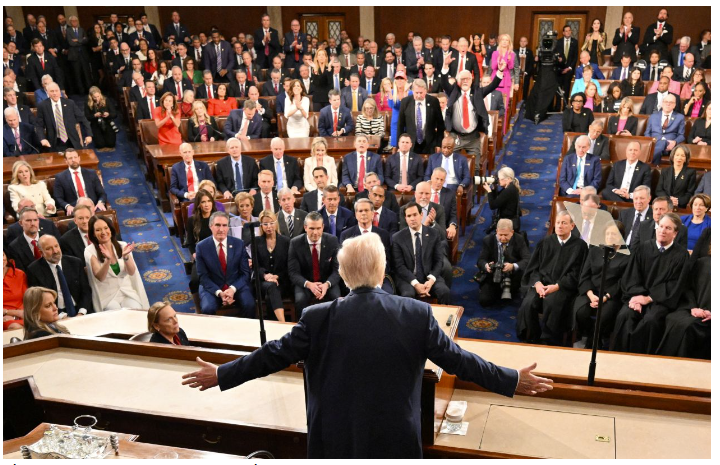
These developments unfold just ahead of Trump’s State of the Union address, which some Democratic lawmakers plan to boycott in favor of alternative programming. The speech is expected to address economic policy, border security, and foreign affairs.
Trump has recently revisited claims that past elections were “rigged,” repeating assertions that have been rejected by courts and election officials. He has also renewed his emphasis on tariffs, describing them as a core economic strategy despite legal challenges.
Public Reaction
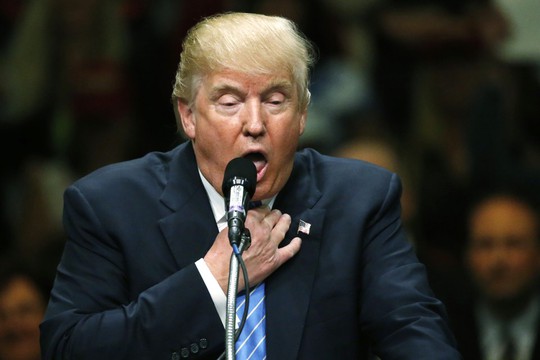
Online reactions to Trump’s recent speeches have been sharply divided. Supporters view his remarks as candid and emotionally authentic. Critics argue that the tone has become increasingly erratic.
Medical professionals caution against diagnosing public figures from afar, noting that rhetorical style alone does not equate to clinical evidence. Political analysts suggest that Trump’s delivery reflects his long-standing preference for improvisation and spectacle rather than scripted messaging.
What to Expect
With the State of the Union imminent, attention now turns to whether Trump will adopt a more structured, policy-focused tone or continue the freewheeling rally style that has defined much of his public communication.
Regardless of interpretation, one thing is clear: Trump’s speeches continue to command attention, generate viral moments, and shape the political conversation — even before he steps up to deliver the formal address.






