When Questions Become Confrontations: Power, Performance, and the Politics of Public Exchange
Political theater often begins with a simple premise: a question posed, an answer expected, and an audience waiting for clarity. But in contemporary political culture, especially in moments involving highly polarizing figures, even a straightforward policy question can rapidly transform into something far more revealing about temperament, strategy and the nature of power itself.
Imagine, for a moment, a public exchange that begins not with accusation, but with a familiar concern: rising costs, family budgets and the strain of everyday life. Such questions, historically, have served as a proving ground for presidents. They are opportunities to demonstrate empathy, command of policy and a willingness to engage the lived realities of citizens. Yet in an era shaped by spectacle and personality-driven politics, these moments increasingly risk becoming stages for confrontation rather than governance.
What is striking in narratives like the one described is not the initial question, but the rhetorical pivot that follows. When a leader responds to a policy inquiry with personal attacks, the exchange ceases to be about economics or public welfare and becomes instead a performance of dominance. This shift is not accidental. It reflects a communication style in which redirecting scrutiny toward the questioner functions as both shield and strategy, reframing accountability as hostility and critique as provocation.
Such dynamics are not new in American political history, but they have intensified in the age of viral media and partisan ecosystems. A single sharp remark can overshadow substantive debate, transforming a discussion about inflation or affordability into a personality-driven spectacle. The audience, both in the room and online, is then drawn less to policy substance and more to emotional escalation — outrage, shock, suspense.
In the narrative presented, the contrast between aggression and composure becomes the central dramatic device. One figure escalates rhetorically, while the other remains calm, methodical and deliberate. This contrast is familiar to students of political communication. Calmness in the face of confrontation often carries symbolic power, suggesting authority through restraint rather than volume. Conversely, visible irritation from a leader can be interpreted as defensiveness, regardless of the underlying facts.
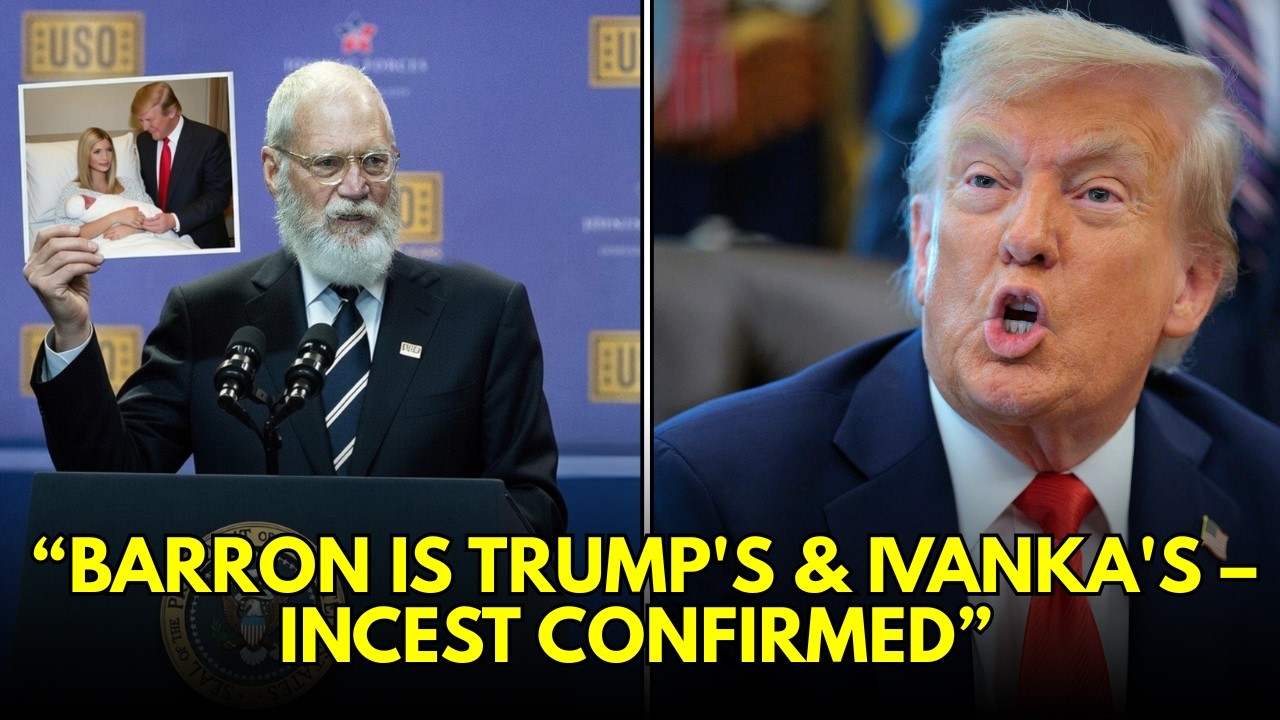
However, it is essential to separate narrative construction from verifiable reality. Dramatic accounts that introduce folders of “evidence,” sweeping claims about timelines or deeply personal insinuations often function more as storytelling mechanisms than as journalistic documentation. Responsible analysis requires a clear distinction between documented public statements and speculative assertions, particularly when claims involve private family matters or unverified allegations. Without credible sourcing and corroboration, such revelations belong more to the realm of political drama than to rigorous public discourse.
This distinction matters because modern audiences consume political exchanges not only as civic events but as serialized narratives. The structure described — rising tension, personal attack, calm rebuttal, and a climactic “reveal” — mirrors the pacing of entertainment media. It creates suspense and emotional investment, but it can also blur the boundary between accountability and spectacle. When political discussion adopts the language and structure of drama, the risk is that truth becomes secondary to narrative impact.
There is also a deeper institutional question embedded in such scenarios: how should leaders respond when confronted with uncomfortable questions? Democratic norms traditionally expect elected officials, especially presidents, to address policy concerns directly, even under pressure. Deflecting toward personal criticism may energize loyal supporters, but it can simultaneously erode perceptions of steadiness and presidential decorum among broader audiences.
Equally significant is the role of the questioner. In political culture, the figure who remains composed while invoking “facts” and “evidence” can appear to occupy the moral high ground, regardless of the evidentiary strength of those claims. This rhetorical framing — calm presentation versus emotional reaction — is a powerful narrative device that shapes audience perception more than the actual content of the exchange. It reinforces a familiar storyline: reason confronting power, documentation confronting rhetoric, restraint confronting aggression.
Yet journalism, particularly in the tradition of institutions like The New York Times, demands skepticism toward theatrically framed revelations. Claims about personal histories, family relationships or alleged hidden narratives require rigorous verification, not dramatic presentation. Without that standard, public discourse risks descending into insinuation masquerading as accountability.
What ultimately emerges from such a confrontation is less a policy debate than a study in political image-making. A question about economic hardship becomes a referendum on character. A personal attack becomes a test of composure. A staged revelation becomes a symbolic moment of “truth,” whether or not it meets evidentiary thresholds. The audience, in turn, is invited to interpret the exchange not as civic dialogue but as a moral spectacle.

This transformation reflects a broader shift in modern politics, where leadership is evaluated as much through performance as through policy. Voters are not only assessing economic plans or legislative agendas; they are interpreting tone, demeanor and the ability to withstand public scrutiny. In such an environment, composure can be as politically potent as policy detail, and rhetorical missteps can carry outsized symbolic consequences.
In the end, the lesson of exchanges framed in this way is not simply about who “won” the confrontation. It is about how easily democratic discourse can drift from substantive issues — rising costs, family struggles, economic policy — into personal dramatization. When that happens, the original question is often lost, replaced by a narrative of conflict that captivates attention but clarifies little.
For a democracy facing real economic anxieties, that shift is consequential. Citizens ask about prices, wages and stability. They deserve answers grounded in policy, not performances shaped by confrontation. And when political dialogue becomes theater, the greatest casualty is often the very issue that sparked the conversation in the first place.