Allies Signal Reluctance as Tensions Rise Over Possible Iran Strike
As debate intensifies inside Washington over potential military action against Iran, signs of strain are emerging among key U.S. allies. According to multiple reports, several partner nations have shown little appetite for supporting a unilateral strike — diplomatically, logistically, or militarily — raising fresh questions about coalition dynamics should escalation occur.
At the center of the discussion is Donald Trump, who has continued to apply pressure through public statements about Iran while also expanding tariff measures affecting global trade. At the same time, senior military officials — including Chairman of the Joint Chiefs Gen. Daniel “Dan” Caine — have reportedly cautioned about operational risks, resource constraints, and the complexity of any sustained campaign.
Defense analysts note that without allied basing access, overflight rights, and regional coordination, even a “limited strike” scenario would involve substantial strategic complications. Modern air campaigns rely heavily on multinational logistical frameworks, intelligence sharing, and resupply networks. A lack of allied participation could increase operational costs and geopolitical fallout.
Canada Accelerates Global Trade Diversification
While tensions with Washington persist, Mark Carney is undertaking a high-profile diplomatic tour aimed at strengthening trade relationships beyond the United States. According to public reporting, Carney’s trip includes stops in India, Australia, and Japan — following earlier engagements in Europe.
Narendra Modi, Anthony Albanese, and Fumio Kishida are expected to be key interlocutors during the visit.


Canadian officials describe the trip as part of a broader strategy to diversify trade partnerships amid tariff tensions. Carney has emphasized reducing economic dependency on a single market and expanding cooperation across energy, technology, and defense sectors.
At the provincial level, Doug Ford has publicly argued that tariffs between the U.S. and Canada harm both economies, pointing to cross-border supply chains and inflationary pressures affecting consumers in both countries.
Military and Logistical Questions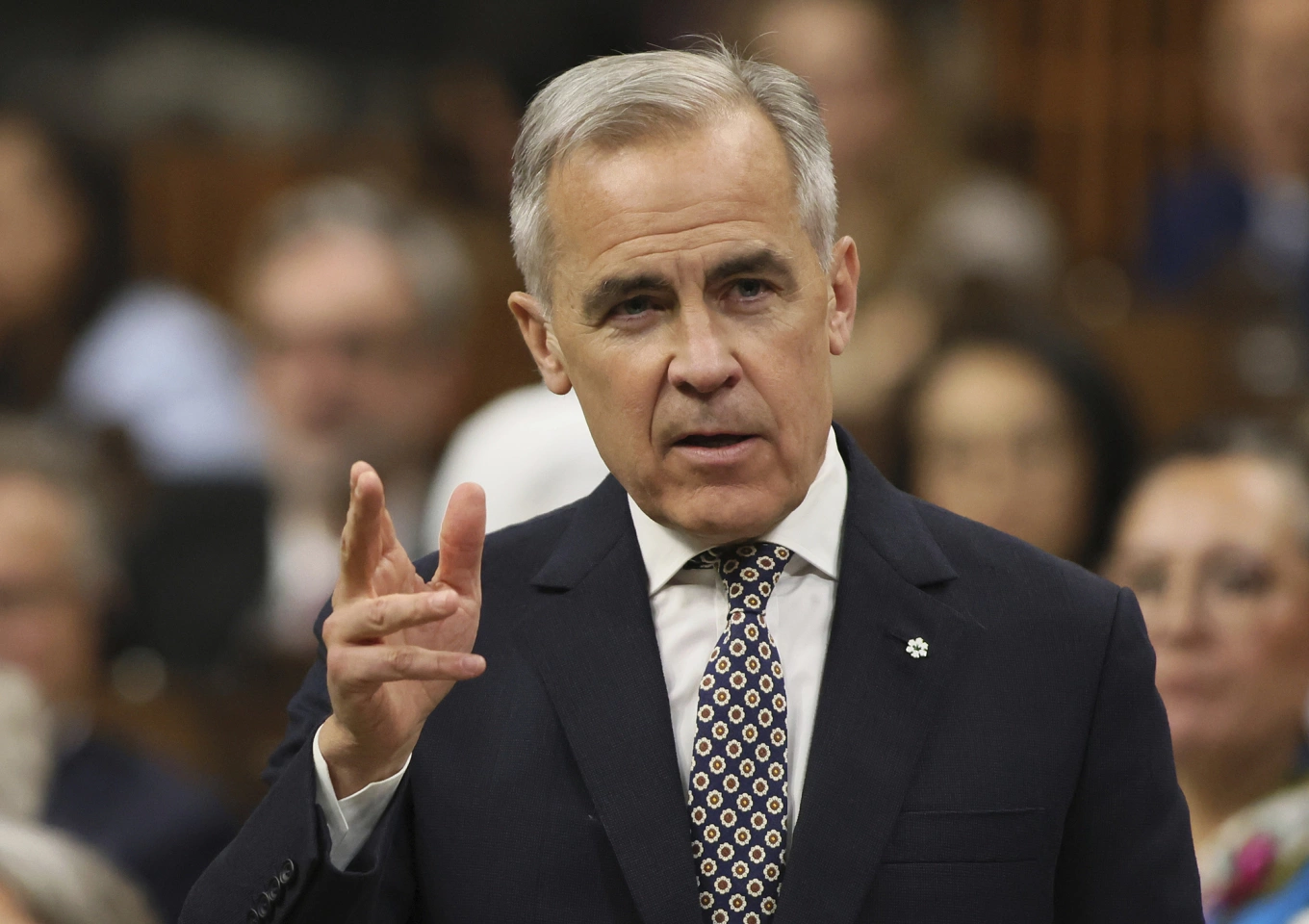
Pentagon officials have reportedly expressed concern about munitions stockpiles and interceptor availability in the event of expanded regional conflict. Defense planners caution that even a targeted operation could trigger retaliation and widen the scope of engagement.
Strategists also note that recent Middle East conflicts demonstrate how limited strikes can evolve into prolonged engagements, particularly when regional actors respond asymmetrically.
Meanwhile, conflicting public messaging has added to uncertainty. Claims regarding naval deployments to Greenland, for example, have reportedly not aligned with statements from defense officials, who indicated no such orders had been issued. The U.S. Navy’s hospital ships — USNS Comfort and USNS Mercy — are currently undergoing maintenance, according to publicly available information.
Diplomatic Friction in Europe
Diplomatic tensions have also surfaced in Europe. Reports indicate that France temporarily restricted high-level engagement with U.S. Ambassador Charles Kushner following public comments about French domestic politics. French officials emphasized that ambassadors are expected to avoid direct involvement in internal political matters.
In the United Kingdom, separate legal developments involving public figures connected to past Epstein-related investigations have drawn renewed attention to transatlantic political sensitivities.






