The 51st State Gambit Backfires: Macron’s Stinging Rebuke Exposes Limits of Trump’s Bully Diplomacy
In a stark demonstration of the erosion of American diplomatic capital, former President Donald Trump’s attempt to ratchet up pressure on Canada by musing about its potential status as a “51st state” has not only failed but triggered a humiliating international slapdown, with French President Emmanuel Macron delivering a blistering, public rebuke. The episode, which began as a classic Trumpian power play during private discussions on trade, has devolved into a strategic fiasco, exposing the growing isolation of the America First doctrine and the willingness of key allies to collectively check U.S. overreach.
According to sources familiar with the exchange, Trump, seeking leverage in contentious talks over lumber, dairy, and digital services tax, reportedly told advisors in a session later briefed to allies, “They act like a separate country, but they’re dependent. Maybe they need to remember they could be the 51st state.” The comment, intended as tough talk to intimidate Ottawa, swiftly leaked.
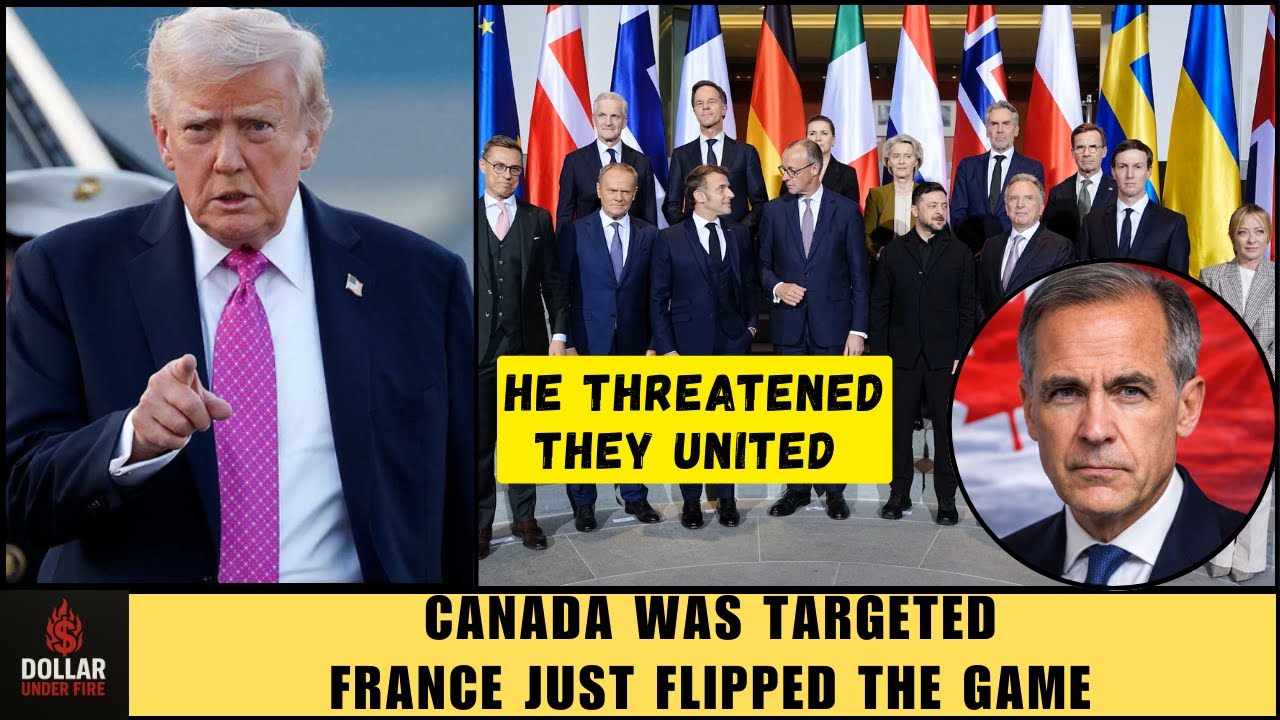
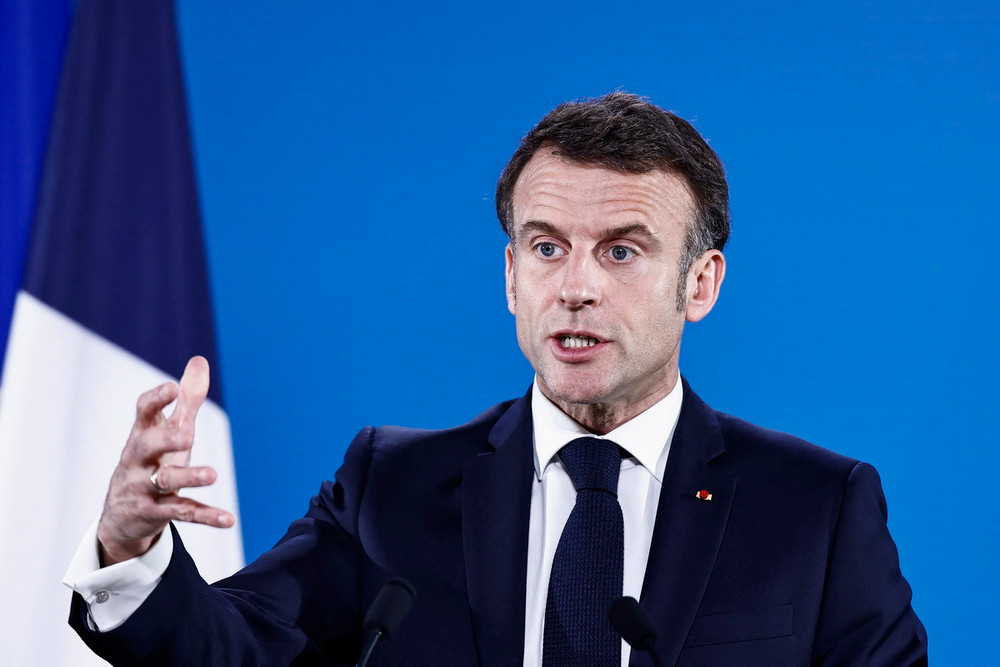
The response from the Élysée Palace was not quiet diplomacy but a calculated, public corrective. President Macron’s office issued an unusually sharp statement, addressed not to Canada, but aimed squarely at Washington.
“France condemns in the strongest terms the rhetoric of territorial aggrandizement and coercive diplomacy directed at our ally, Canada,” the statement read. “Such aggressive posturing is unbecoming of a nation that claims leadership of the free world. It deliberately undermines the unity and mutual respect upon which the NATO alliance is founded, and it exposes a dangerous and counterproductive isolationist bluster.”
A senior French diplomatic source was even more direct, telling journalists: “This is not 1812. You do not speak to sovereign democracies as if they are territories to be annexed. President Macron’s message is clear: Europe stands with Canada, and such tactics will only serve to weaken transatlantic bonds and strengthen our resolve to build strategic autonomy from such unpredictability.”

The fallout was immediate and damning. In Washington, a rare bipartisan consensus emerged condemning the move as a self-inflicted wound.
Senator Lindsey Graham (R-SC) stated, “Even in a season of tough negotiations, our allies are not adversaries. This kind of rhetoric is a gift to Beijing and Moscow, who seek to divide us.” His sentiment was echoed by House Democrats, with the Chairman of the Foreign Affairs Committee calling the episode “a masterclass in how to trash 75 years of alliance diplomacy in 30 seconds.”
Analysts decode Macron’s intervention as a deliberate and multi-layered signal. “This was not just about defending Canada,” explains Dr. Sophie Laurent of the French Institute of International Relations. “This was Macron seizing a moment to formalize a shift. He is signaling to Washington that the era of unchecked American political pressure is over, and to European capitals that unity in the face of coercive tactics is non-negotiable. The warning is explicit: continue down this path, and you will accelerate the very ‘strategic autonomy’ from the U.S. that you claim to fear.”
The strategic consequences for the Trump agenda are potentially severe. This public rebuke and the solidarity it showcases between Europe and Canada could torpedo his broader trade war strategies. The unified front makes it far more difficult to pressure individual nations with tariffs or threats, as they now have a demonstrated political backstop. The narrative of Trump the dealmaker, forcing concessions through sheer force of will, has been shredded and replaced with an image of a leader whose bluster prompts unified resistance, weakening America’s negotiating position overall.
Critics have pounced, with former U.S. officials painting Trump as a bully outmatched on the global stage. “A bully only has power if the target is alone,” said a former National Security Council official. “Macron just stepped in and showed Canada isn’t alone. The playbook is broken.”

Nevertheless, insiders caution it is too soon to declare the game over. The Trump camp has historically treated international condemnation as domestic political fodder, framing it as evidence of standing up to a corrupt global order. Supporters may rally around the “tough talk,” dismissing Macron’s criticism as elitist globalism.
Yet, the damage to tangible American influence is palpable. The incident reshapes the geopolitical narrative from one of American dominance to one of growing desperation and diplomatic clumsiness. It demonstrates that key allies are no longer willing to quietly endure rhetorical assaults for the sake of alliance management. They are now willing to fight back publicly, leveraging moral authority and collective unity to box in American power. In this high-stakes chess match, Trump’s king move was met not with retreat, but with a united front of queens, leaving the board reconfigured and America’s position distinctly weakened. The 51st state will remain a fantasy, but the fracture in the Atlantic alliance it revealed is very real.