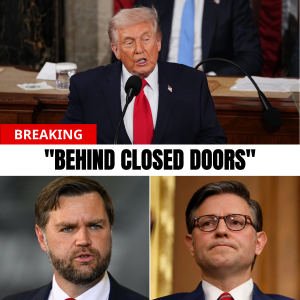
After the Court’s Rebuke, a Quiet Economic Revolt Takes Shape
When the Supreme Court ruled that a sweeping use of emergency powers to impose tariffs had exceeded presidential authority, it did more than invalidate a revenue stream. It ignited a political and economic aftershock that continues to reverberate across North America.
In a sharply worded opinion, Chief Justice John Roberts wrote that the Constitution does not grant the executive branch unilateral authority to levy broad-based taxes under the guise of emergency action. “The power to tax belongs to Congress,” he wrote, rejecting the legal theory advanced by President Donald Trump and his administration.
The ruling effectively declared tens of billions of dollars in collected tariffs unlawful. While estimates vary, critics of the policy have placed the figure at roughly $160 billion — funds that were paid by importers and, ultimately, by American consumers in the form of higher prices.
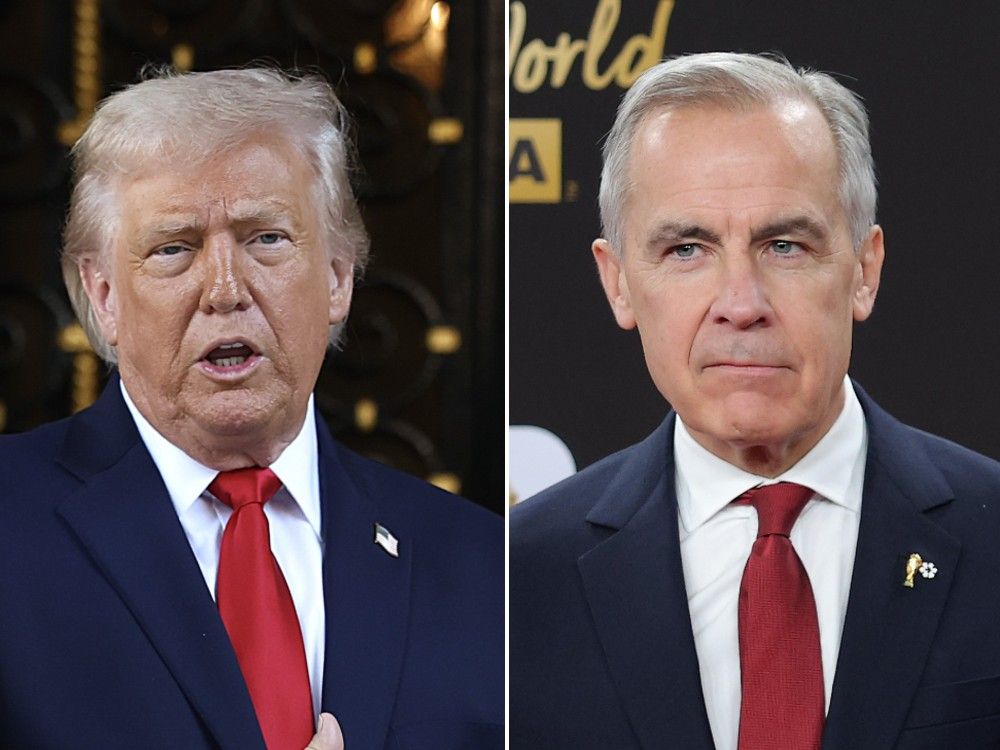
The president responded with fury. In public remarks and social media posts, he criticized members of the court, including justices he had appointed, and suggested that those who dissented from his position had betrayed both him and the country. The episode underscored a deepening tension between the executive branch and the judiciary, even as it raised practical questions about what happens next.
Legally, the refunds are expected to flow back to the companies that paid the duties. Economists note that retailers such as Walmart, Amazon and Target passed much of the added cost on to consumers at the time. There is no automatic mechanism requiring corporations to reimburse customers if those duties are later invalidated. For many Americans who experienced higher grocery, lumber and prescription prices during the tariff period, the court’s decision offers constitutional clarity but little immediate financial relief.
If the ruling marked a constitutional boundary at home, its diplomatic implications were felt most acutely in Canada.
Two days after the decision, the official White House social media account posted a celebratory image referencing a recent Olympic hockey victory by the United States over Canada. The post, which depicted a bald eagle overpowering a Canada goose, drew millions of views and tens of thousands of reactions. Supporters called it patriotic exuberance; critics described it as unnecessarily provocative at a delicate moment in bilateral relations.
In the months leading up to the ruling, President Trump had repeatedly referred to Canada’s prime minister, Mark Carney, as a “governor,” language that many Canadians interpreted as dismissive of their sovereignty. Carney responded at a public forum with a succinct rejoinder: “We are masters in our own house.”
The more consequential response, however, has not been rhetorical.
Canadian tourism to the United States has fallen sharply over the past year. Industry groups report steep declines in flight bookings and cross-border travel, particularly to traditional destinations such as Florida and Nevada. Airlines have adjusted routes accordingly, adding capacity to Mexico and the Caribbean while trimming service to American cities that once relied heavily on Canadian visitors.
In states along the northern border — including Washington, Vermont and Michigan — local businesses that depend on Canadian shoppers have reported slower sales. Some have launched marketing campaigns aimed explicitly at welcoming back their northern neighbors.
The shift extends beyond travel. Several Canadian provinces moved to reduce or eliminate purchases of American spirits following the tariff disputes, creating opportunities for domestic producers. In the United States, bourbon makers have acknowledged that once shelf space is lost abroad, it can be difficult to reclaim.
Polling in Canada suggests that a significant majority of consumers are actively seeking non-American alternatives for certain goods. Whether this represents a temporary reaction to political tensions or a more durable reorientation remains uncertain. Trade relationships built over decades rarely unravel overnight, but they can fray under sustained strain.
Meanwhile, the administration has signaled it may pursue new tariffs under different statutory authority, setting the stage for further legal and political battles. A small group of Republican lawmakers has expressed unease, arguing that Congress should reassert its constitutional role in trade policy. In a closely divided House vote, several members of the president’s own party broke ranks to oppose expanded executive power.
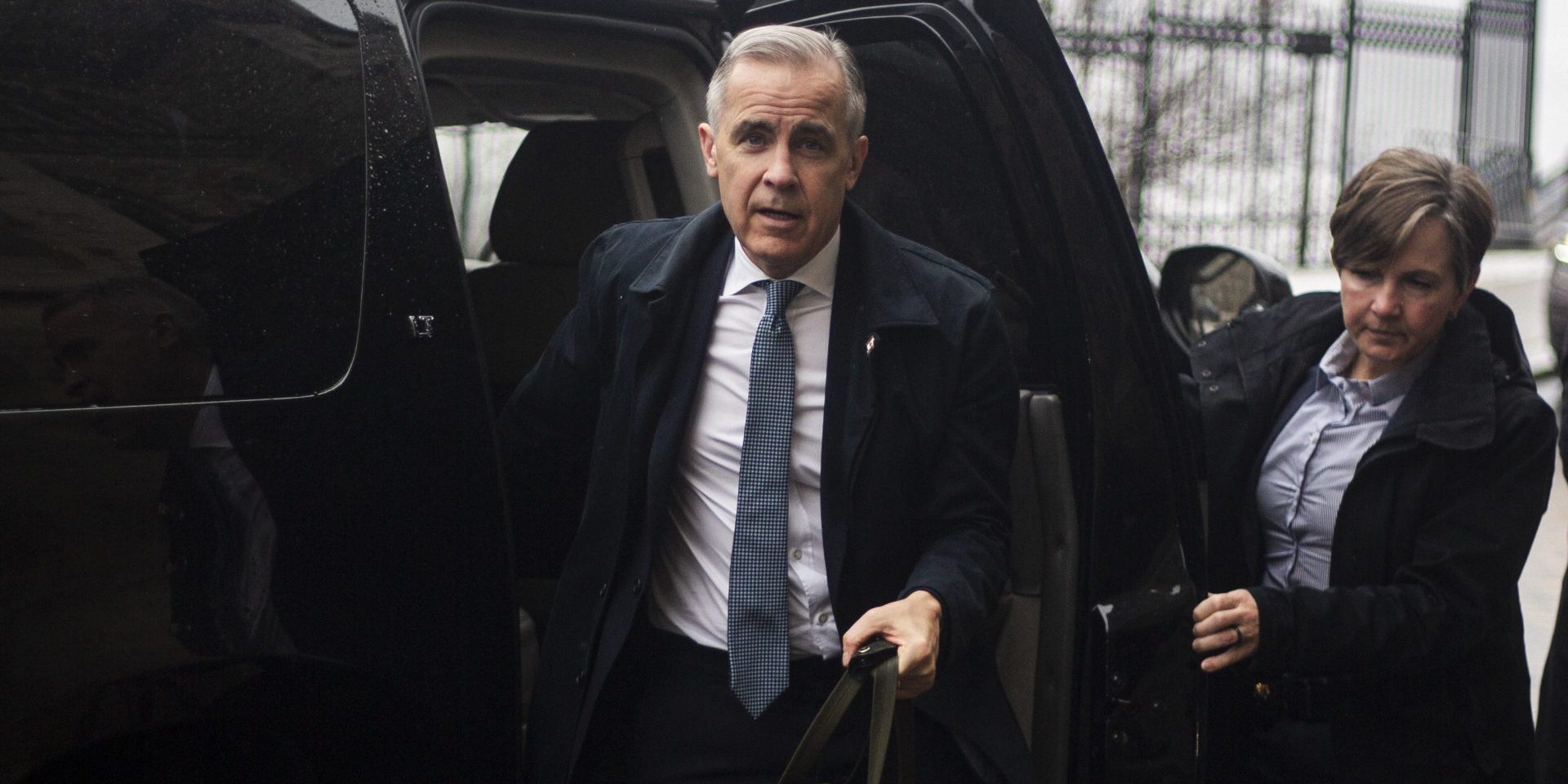
For now, the Supreme Court’s decision stands as a reminder of institutional limits. It also serves as a case study in how economic policy, constitutional law and national identity can intersect in unpredictable ways.
The United States and Canada share the world’s longest undefended border and one of its most integrated economic relationships. Yet even the closest partnerships can be tested when political disputes spill into everyday life — into the price of groceries, the choice of vacation destination, or the brand of whiskey on a store shelf.
Whether this moment proves to be a brief rupture or the beginning of a longer recalibration will depend less on viral images or sharp-edged rhetoric than on the quieter decisions made by lawmakers, judges, businesses and millions of consumers on both sides of the border.