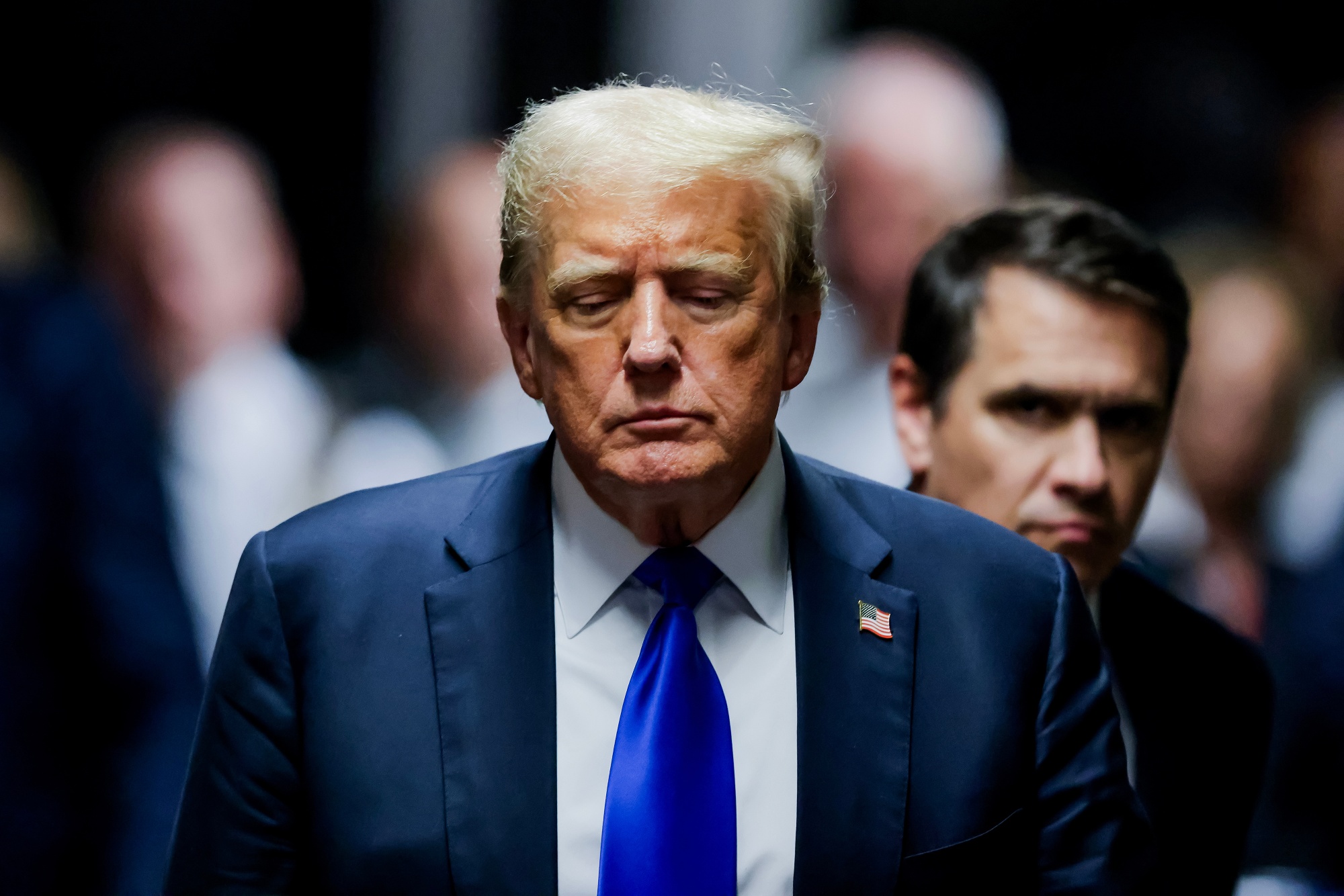
Washington — The United States is not facing a government shutdown or a foreign invasion. Instead, it is confronting something more abstract — and potentially more volatile: a growing debate over presidential judgment.
Tensions escalated this week after renewed remarks by former President Donald Trump regarding the potential acquisition of Greenland sparked backlash on Capitol Hill. What some supporters frame as strategic negotiation rhetoric, critics describe as constitutionally alarming.
At the center of the controversy is the 25th Amendment — the rarely invoked constitutional mechanism that allows a president to be declared unfit to discharge the duties of office.
A Political Flashpoint

The uproar began after Trump reiterated interest in Greenland, a self-governing Danish territory and key NATO ally. Greenland occupies a position of immense strategic importance in the Arctic, where melting ice has intensified geopolitical competition among the United States, Russia, and China.
While the U.S. has historically expanded through territorial purchases — including Alaska in 1867 — critics argue that rhetoric implying unilateral acquisition of allied territory crosses diplomatic and constitutional boundaries.
Senator Ed Markey and several other lawmakers publicly raised concerns, suggesting that such statements demand scrutiny. Though no formal 25th Amendment proceedings have been initiated, even mentioning it signals how seriously some members of Congress are treating the issue.
What the 25th Amendment Would Require
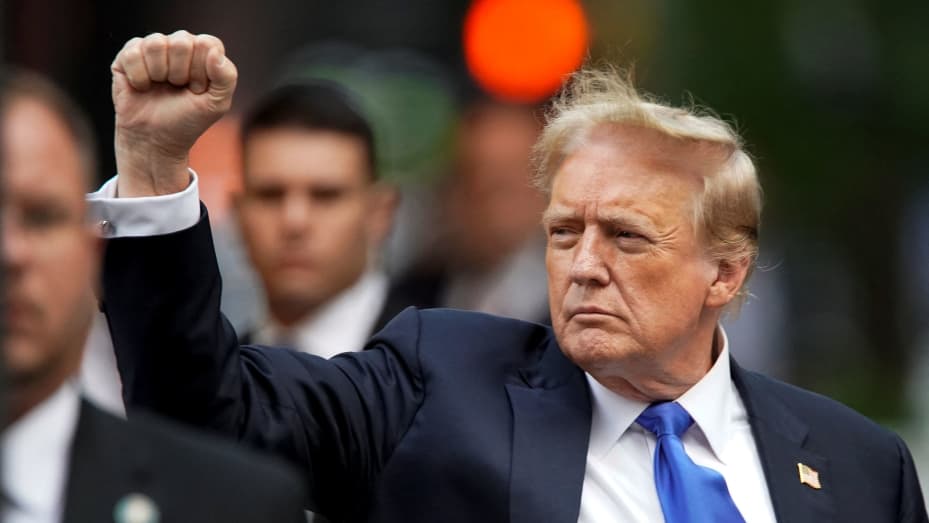
Invoking the 25th Amendment is no simple matter.
It would require the vice president and a majority of the Cabinet to formally declare that the president is unable to perform the duties of office. Congress would then need to vote on the matter, with a two-thirds majority required in both chambers to uphold the removal if contested.
Political analysts widely agree this scenario is highly unlikely under current conditions.
Impeachment remains another constitutional pathway, but that too faces steep political hurdles and would require majority support in the House and a two-thirds conviction vote in the Senate.
Negotiation Strategy — or Warning Sign?

Supporters of Trump argue the controversy is overblown. They describe his comments as hardline bargaining tactics intended to strengthen U.S. leverage in Arctic affairs. Greenland’s mineral resources, military positioning, and access to emerging shipping routes make it a valuable geopolitical asset.
Critics counter that even rhetorical suggestions of acquiring allied territory risk destabilizing relationships with Denmark and NATO partners at a time of global uncertainty.
Diplomatic experts note that Greenland’s government has repeatedly stated it is not for sale, and Danish officials have dismissed the idea outright in past instances.
Constitutional Guardrails Under Pressure

For now, congressional responses remain symbolic rather than procedural. Lawmakers have introduced resolutions and issued public statements reinforcing constitutional limits, particularly regarding the use of military force or unilateral executive action.
At its core, the debate extends beyond Greenland.
It touches on broader questions:
-
What defines presidential fitness?
-
Where is the line between bold diplomacy and destabilizing rhetoric?
-
How resilient are America’s constitutional guardrails in moments of political turbulence?
The 25th Amendment was designed for extraordinary circumstances — medical incapacity, catastrophic impairment, or clear inability to govern. Whether controversial foreign policy rhetoric qualifies remains deeply contested.
One thing is certain: the controversy has reopened a constitutional conversation that the country rarely entertains — and even more rarely agrees upon.
For now, the political storm is centered not on Arctic ice, but on Washington itself.