In a development that would reshape constitutional norms, imagine a former American president agreeing to testify before Congress under subpoena. For over two centuries, that line has remained uncrossed — respected, debated, but ultimately untouched.
In this hypothetical scenario, Bill Clinton and Hillary Clinton step forward publicly, confirming they will comply with a congressional demand for testimony regarding their knowledge of Jeffrey Epstein.
House Oversight Committee, which argues that transparency demands sworn answers. The issue is no longer rumor or association, but institutional accountability under oath.
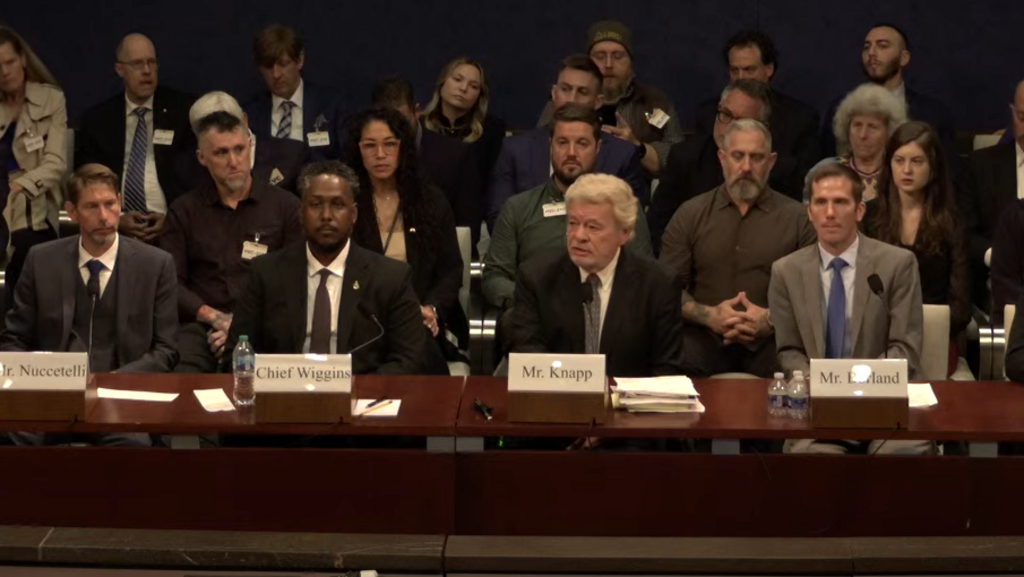
Instead of resisting, delaying, or challenging jurisdiction, the Clintons embrace the hearing. They request it be televised. They call for documents to be released. In doing so, they transform potential vulnerability into a strategic assertion of openness.
Such a move would establish a constitutional precedent unprecedented in modern American history. If a former president can be compelled to testify under oath, then the shield of office — once retired — may no longer carry automatic immunity from legislative scrutiny.
Political observers note the immediate ripple effects. Compliance today could become leverage tomorrow. Should the balance of power shift, the same logic might apply to other former presidents, including Donald Trump
and members of his family.
Trump’s reaction, in this imagined sequence, is unusually measured. After years of sharp criticism toward the Clintons, he offers unexpected praise. Commentators seize on the tone shift, parsing every word for strategic intent.
Behind the scenes, Democrats signal that equal application of the law must remain consistent. If precedent exists, it must apply universally. Republicans caution against weaponizing congressional authority in ways that could destabilize institutional balance.
Meanwhile, broader investigations tied to Epstein continue to expand. Court proceedings involving Ghislaine Maxwell and document releases from the United States Department of Justice keep the issue alive in public discourse.

The American public watches with divided expectations. Some view congressional subpoenas as essential tools of democratic oversight. Others fear that normalizing testimony from former presidents risks blurring separation of powers.
Historically, presidents have guarded executive privilege fiercely, even after leaving office. Yet privilege has limits. The courts have repeatedly affirmed that no citizen — however powerful — stands entirely beyond the reach of lawful inquiry.
In London and Washington alike, legal scholars debate the symbolic weight of such testimony. The United States often champions rule-of-law principles abroad. A former president testifying at home would signal institutional resilience — or political escalation.

The media landscape would amplify every exchange. Body language, pauses, phrasing under oath — each moment dissected in real time. In an era defined by polarized narratives, perception often travels faster than fact.
What makes this scenario compelling is not the personalities involved but the structural question it raises. How far can congressional authority extend before it collides with the lingering aura of presidential stature?
Ultimately, the hypothetical crisis reframes the debate. It shifts attention from partisan rivalry to constitutional durability. Transparency, precedent, and accountability become more than slogans — they become tests of democratic maturity.
If such a hearing ever occurred, it would not simply mark a legal milestone. It would redefine the relationship between power and scrutiny in modern America — a reminder that institutions endure only when examined in full public view.