WASHINGTON, Feb. 25, 2026 — President Donald Trump’s State of the Union address drew swift criticism from Democratic leaders, with Senate Majority Leader Chuck Schumer accusing the president of offering rhetoric disconnected from the economic concerns facing many Americans.
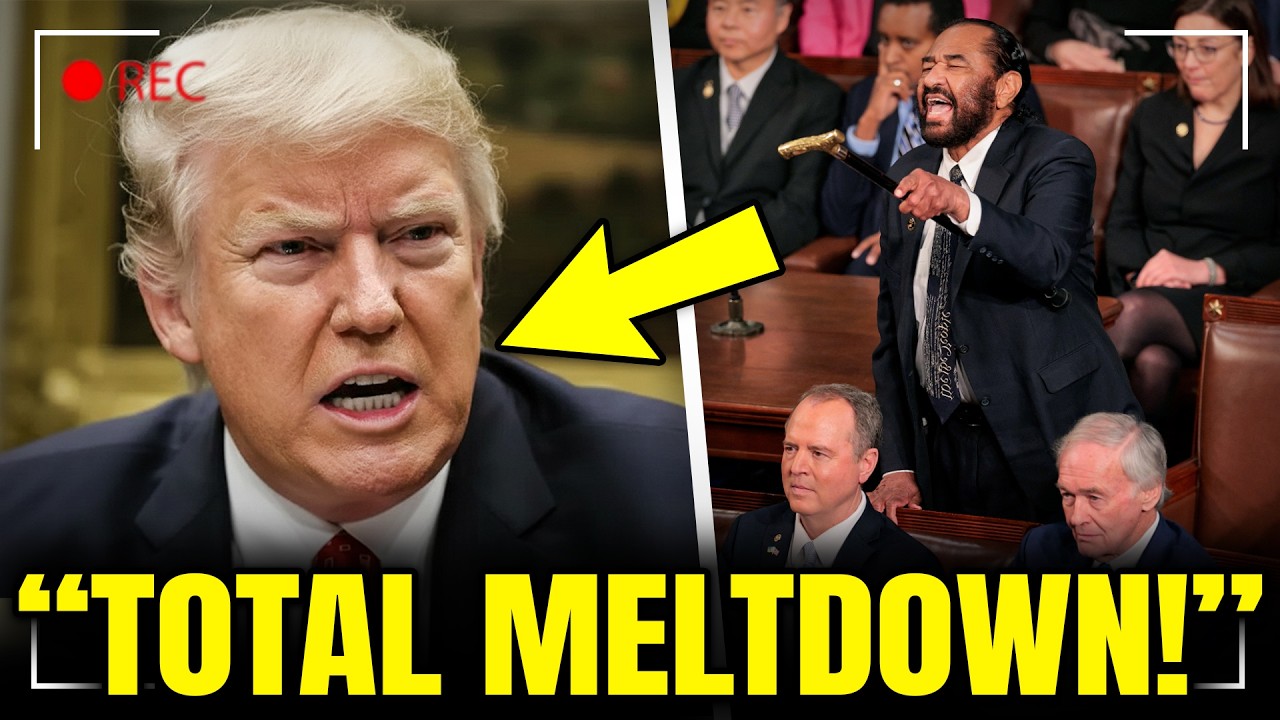
Speaking to reporters hours after the address, Mr. Schumer said the speech focused heavily on self-congratulation while failing to present concrete solutions to issues such as rising household costs, health care affordability and energy prices. “The American people want to know how they’re going to pay their bills,” Mr. Schumer said. “They didn’t hear that tonight.”
During the two-hour address in the House chamber, Mr. Trump declared that the nation was “winning so much we don’t know what to do about it,” citing stock market gains, job creation and what he described as a historic economic turnaround. The president also recognized several guests in attendance, including Olympic athletes and military veterans, and awarded honors to individuals in the gallery.
Critics said the extended tributes, while meaningful, consumed time that could have been used to outline new policy initiatives. Several Democratic lawmakers characterized the speech as light on legislative proposals. Some Republicans privately acknowledged that they had hoped for more detail on economic strategy heading into an election year.
Mr. Schumer went further, suggesting that the president’s statements misrepresented economic data. He pointed to recent fact checks challenging claims about manufacturing job growth and overall employment trends. Independent data show that while certain sectors have expanded, manufacturing employment has fluctuated during Mr. Trump’s current term.
In unusually strong language, Mr. Schumer also questioned the president’s fitness for office and called on him to resign, arguing that continued polarization and what he described as misinformation from the White House risk deepening national divisions. “The country cannot endure chaos at the highest levels of leadership,” he said.
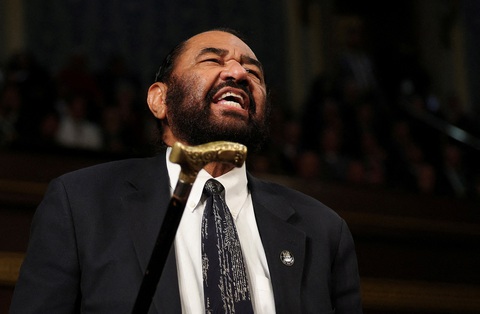
The White House dismissed the criticism, saying the president’s address accurately reflected economic progress and national achievements. Administration officials pointed to low unemployment, increased domestic investment and stronger border enforcement as evidence of success.
Beyond the immediate partisan exchange, the speech has intensified debate within the Democratic Party over strategy heading into the midterm elections. Progressive lawmakers and activists have argued that the party should adopt a more forceful economic message centered on health care reform, reproductive rights and immigration policy. Centrist Democrats have emphasized broad appeal and coalition-building across ideological lines.
Political analysts note that public approval ratings for Mr. Trump remain polarized, with strong support among his base and skepticism among independents. Whether the State of the Union will shift those numbers remains unclear.
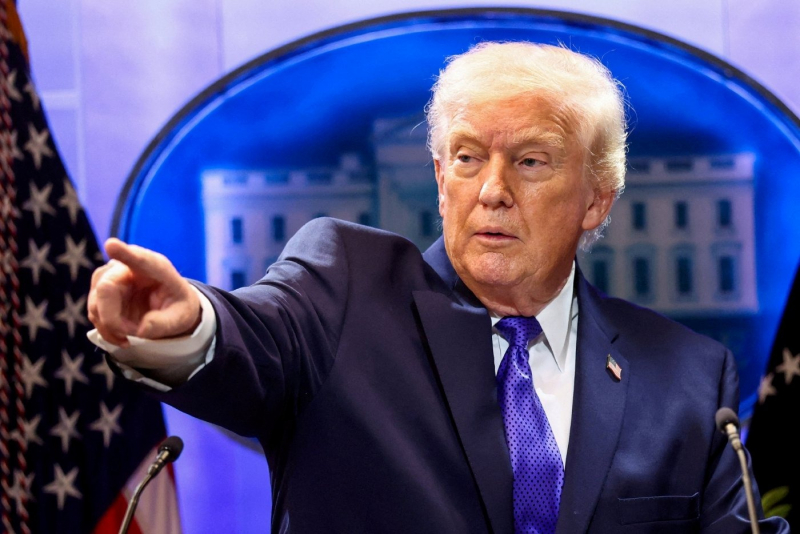
The address underscored the stark contrast in messaging between the president and his critics. Mr. Trump framed the nation as thriving under his leadership, while opponents described a widening gap between official rhetoric and the lived experience of many families.
As the midterm cycle accelerates, both parties are likely to use the speech as a touchstone for campaign messaging — Republicans highlighting the president’s optimistic tone and Democrats arguing that voters deserve more detailed plans to address affordability and economic security.
For now, the political fallout reflects an already divided landscape, with little sign that either side intends to soften its stance.






