Flavor Flav, Trump and the Politics of Celebration in American Sports
In the modern American presidency, symbolism is rarely accidental. Sporting champions are welcomed to the White House not simply to commemorate victory, but to project unity, prestige and a shared national story. That ritual, however, has increasingly become another arena for partisan friction — and, in recent days, for cultural counterprogramming.
President Trump’s highly publicized embrace of the U.S. men’s Olympic hockey team was intended as a triumphant tableau: a gold-medal squad standing shoulder to shoulder with a sitting president eager to associate himself with their success. There was a congratulatory phone call, a celebratory visit and a flurry of social media posts amplifying the moment. In the age of image politics, proximity to victory can be its own currency.
Yet the choreography did not unfold without critics. Some bristled at the president’s tone during his outreach to the team. Others mocked a digitally altered video circulating online that depicted him as a hockey player — a tongue-in-cheek flourish that detractors interpreted less as humor than as self-mythologizing. The spectacle was amplified by familiar culture-war undertones: fast-food fare served at celebratory events, theatrical medal-holding photo ops and the president’s characteristic bravado.
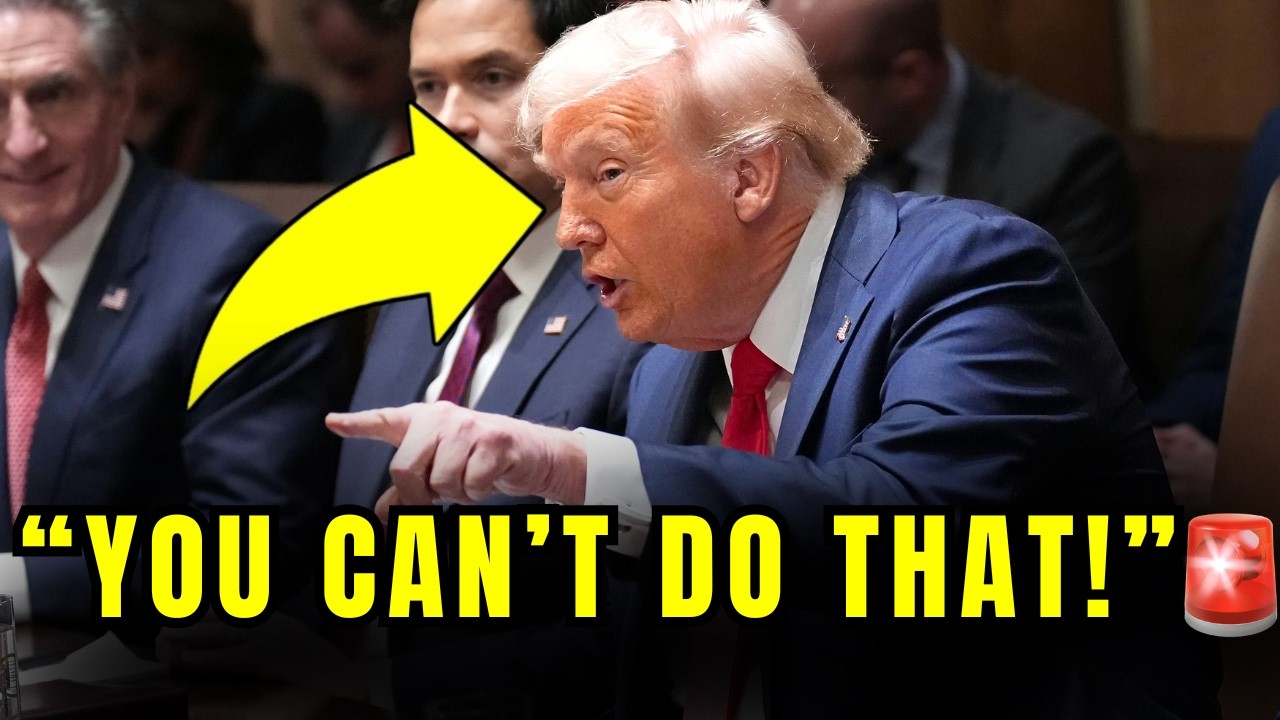
For supporters, these gestures reflected Trump’s populist instincts — a break from the polished conventions of past administrations. For opponents, they underscored what they see as a pattern: a leader quick to claim reflected glory and eager to dominate the spotlight, even at moments designed to honor others.
Into this swirl stepped an unlikely cultural foil: Flavor Flav, the founding member of Public Enemy and a fixture of hip-hop’s golden era. Known for his outsized persona and clock-necklace iconography, Flavor Flav has, in recent years, taken on a quieter but notable role as a supporter of women’s athletics. He has championed women’s water polo, rugby and tennis, frequently using his platform to spotlight achievements that receive less sustained media attention than their male counterparts.
When members of the U.S. women’s Olympic hockey team declined an invitation to the White House — citing scheduling conflicts and, according to some reports, discomfort with the political environment — Flavor Flav responded publicly. If the team wanted a celebration, he offered, he would host it himself in Las Vegas, complete with dinners and entertainment. His invitation quickly went viral.
What followed was a cascade of corporate endorsements and celebrity gestures. Musicians volunteered performances; brands pledged travel gear and apparel; small businesses offered catering and gifts. To critics of the president, the moment felt like a pointed rebuke — a communal embrace of athletes who, in their view, deserved equal recognition without political overtones. To others, it was simply an example of modern celebrity activism: decentralized, media-savvy and attuned to the power of symbolic gestures.
The contrast between the two celebrations — one orchestrated by the White House, the other by a hip-hop luminary — became fodder for commentary about masculinity, race and the ownership of patriotic narrative. Trump has long framed men’s sports as emblematic of American strength, a rhetoric that resonates with segments of his political base. But women’s teams have delivered a substantial share of the nation’s recent Olympic success, complicating any singular story about who carries the banner of athletic greatness.

Flavor Flav’s intervention, while playful on its surface, carried cultural weight. As a Black artist from New York who rose to prominence critiquing power structures, he embodied a different strain of American patriotism — one that celebrates excellence while challenging hierarchy. His supporters described his offer not as opportunism but as consistent with a broader pattern of backing women athletes when institutional support lags.
For Trump’s allies, the episode amounted to little more than partisan theater. The president, they argue, has welcomed numerous championship teams and extended recognition broadly. In their telling, criticism reflects political animus rather than substantive grievance.
Still, the optics matter. White House visits have become optional in a way they once were not, with athletes increasingly weighing personal convictions against tradition. The decision to attend — or decline — is now interpreted through ideological lenses, transforming what was once ceremonial into something closer to a referendum.
In that sense, the story is less about one rapper and one president than about the fragmented nature of American celebration. Victory no longer guarantees consensus. Even a gold medal can become a mirror reflecting the country’s divides.
Whether the women’s team ultimately accepts Flavor Flav’s invitation or not, the episode underscores a broader shift. Cultural figures, not just elected officials, are claiming space in the rituals of national pride. And in a political climate defined by spectacle, the competition for symbolic ownership may be as intense as any contest played on the ice.






