WASHINGTON, Feb. 25, 2026 — A tense exchange between President Donald Trump and a reporter escalated sharply during a press event this week, underscoring the increasingly combative tone of political discourse at a moment of heightened tensions abroad and deep divisions at home.
The confrontation began when a reporter repeatedly pressed the president with questions about potential military action and other sensitive topics. Mr. Trump cut the exchange short, telling the reporter he would not engage and directing staff to move on. The back-and-forth quickly grew heated, with overlapping remarks and raised voices before the event proceeded.
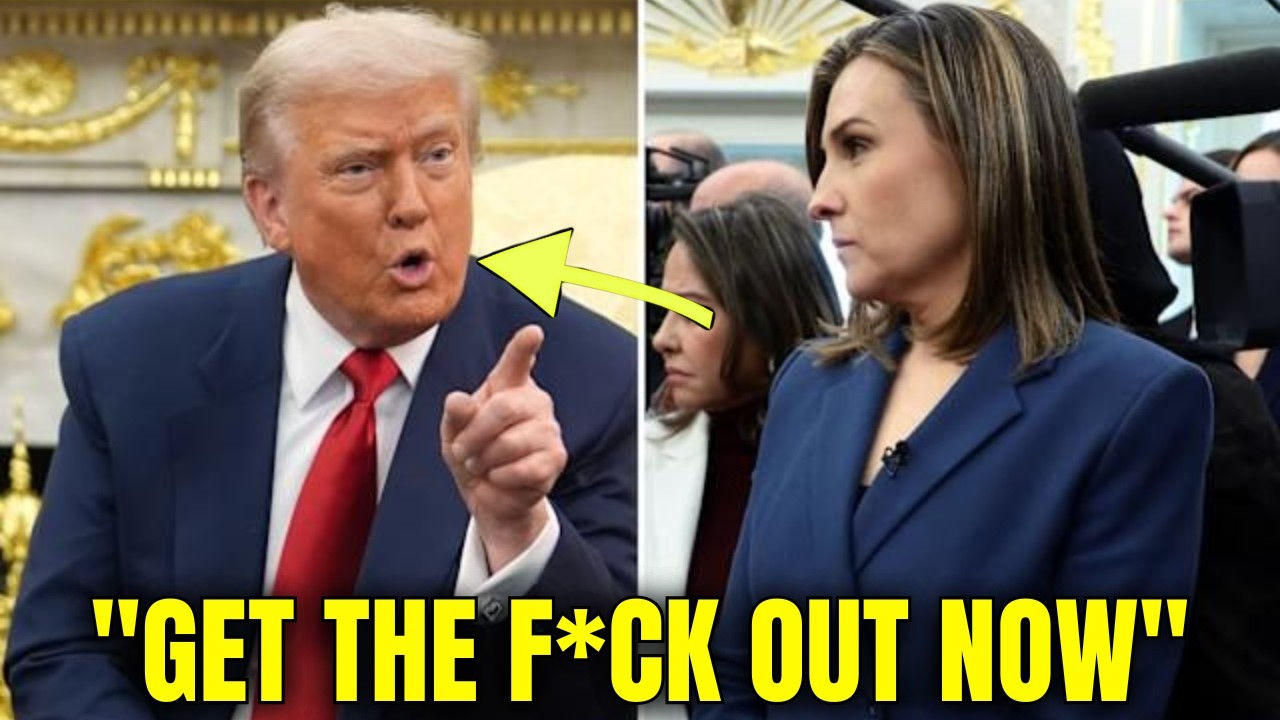
Mr. Trump has long had an adversarial relationship with certain media outlets, particularly CNN, which he has frequently criticized as “fake news.” Supporters say such confrontations demonstrate his willingness to challenge the press directly, while critics argue the exchanges undermine norms of transparency and respectful engagement.
The incident comes amid speculation about U.S. posture toward Iran. While the president did not outline specific military plans, analysts note that American military assets in the Middle East remain substantial. The United States maintains aircraft carriers, naval vessels and air power in the region as part of long-standing security commitments.
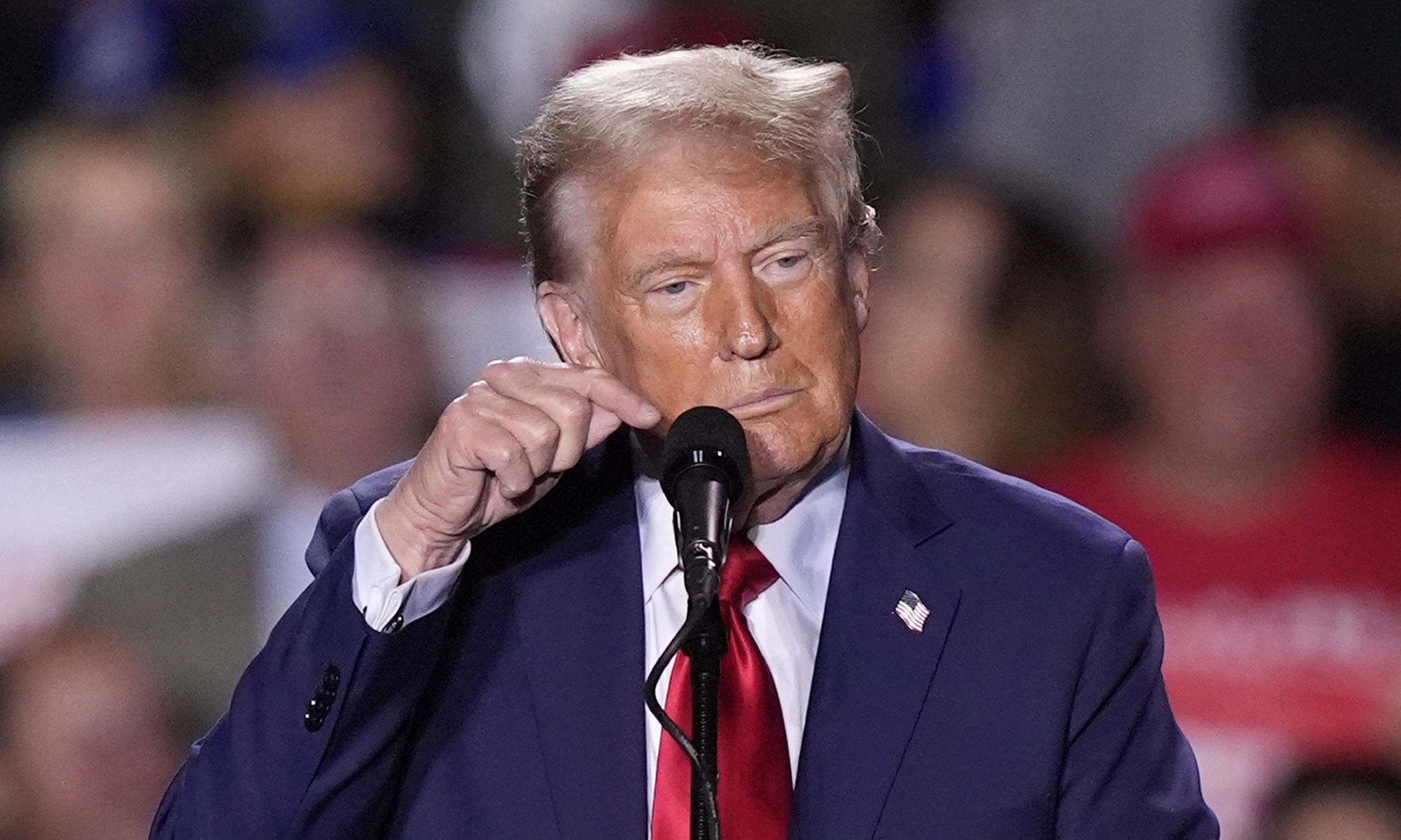
Energy markets have reacted to broader regional instability, with oil prices fluctuating in response to geopolitical signals. Foreign policy experts caution that military buildups can serve both deterrent and diplomatic purposes, and that shifts in force posture do not necessarily signal imminent conflict.
Domestically, debate over immigration enforcement has intensified. Some progressive lawmakers have renewed calls to significantly restructure or abolish Immigration and Customs Enforcement (ICE), arguing that current practices are overly punitive and lack sufficient oversight.
Former acting ICE Director Tom Homan strongly rejected those proposals in recent interviews, saying the agency is enforcing laws passed by Congress. He defended the use of existing statutory authority to detain individuals suspected of immigration violations and said agents operate under legal standards requiring reasonable suspicion.
At the same time, community advocates and some local leaders have expressed concern about the impact of enforcement actions on families and small businesses. In Maryland, new state legislation ended certain cooperative agreements between local sheriffs and federal immigration authorities. Several sheriffs warned that while those partnerships may change, federal enforcement itself is unlikely to diminish.
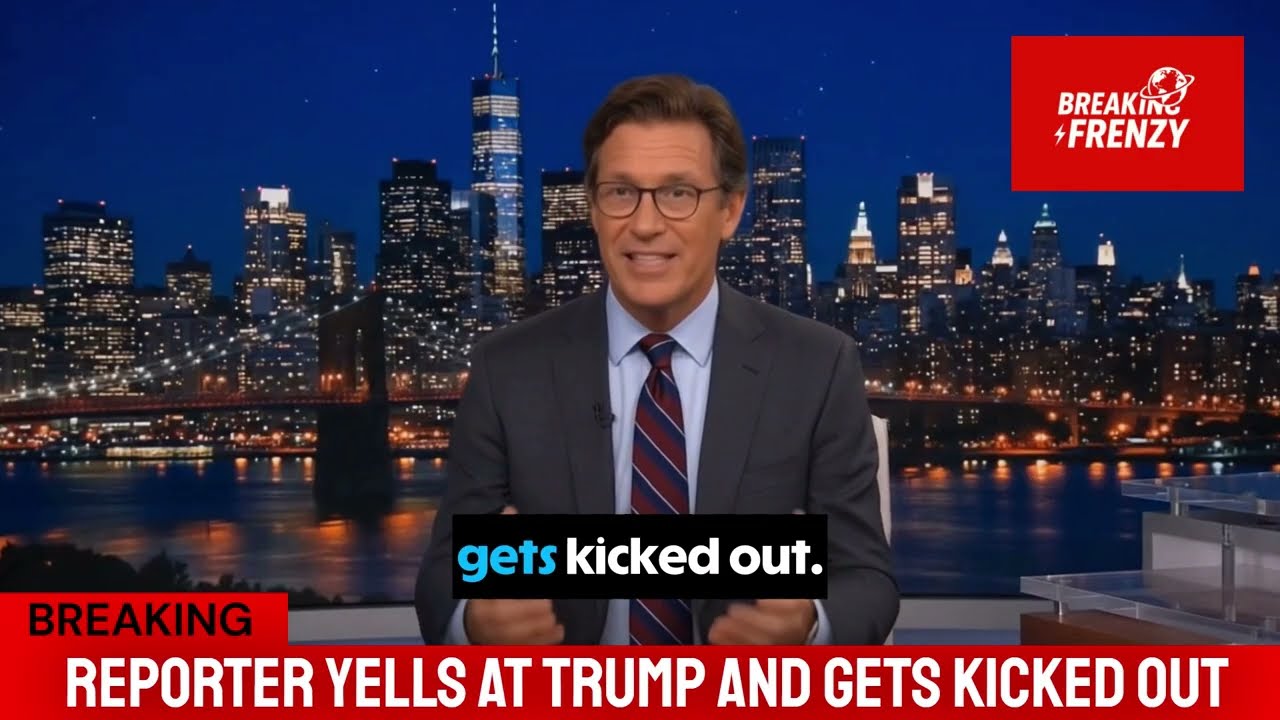
The clash between enforcement advocates and reform proponents reflects a broader national debate over border security, humanitarian considerations and the scope of federal power. Public opinion remains divided, with polling showing strong support among Republican voters for stricter enforcement and more mixed views among independents and Democrats.
The press-room confrontation and the immigration debate highlight the increasingly sharp rhetorical lines defining this political moment. For Mr. Trump’s supporters, his combative exchanges signal strength and resolve. For his critics, they represent further erosion of institutional norms.
As geopolitical tensions and domestic policy battles continue to intersect, the coming weeks may test whether heated rhetoric translates into substantive action — or whether diplomacy and legislative negotiation ultimately prevail.






