Kimmel, O’Donnell and a Televised Takedown That Triggered a Presidential Outburst
In an age when political conflict routinely spills into entertainment, the latest collision between the Oval Office and late-night television unfolded with a level of volatility even seasoned observers did not anticipate. On Tuesday night, Jimmy Kimmel and Rosie O’Donnell — two long-time critics of President Donald J. Trump — shared a late-night stage for a segment that quickly metastasized into something far more consequential than comedy. Within minutes, their performance had ignited a reaction inside Mar-a-Lago that aides privately described as “intense,” “sustained,” and “unmistakably personal.”

The segment, initially billed as a satirical look at the President’s political year, quickly morphed into what viewers interpreted as a coordinated on-air ambush. Kimmel opened with a monologue aimed squarely at Trump’s leadership style, joking that the President’s “greatest public works project” was not a physical structure but “a growing pile of excuses.” Moments later, O’Donnell arrived onstage to thunderous applause, launching into an extended improvised critique that blended personal grievance, political jab, and theatrical fury in a way only she could deliver.
What made the segment different from traditional late-night mockery was its pacing — sharp, fast, relentless — and its willingness to dig into the more fragile aspects of the President’s public image. Rather than recycling familiar punchlines, the duo traced a narrative arc that touched on Trump’s legal entanglements, his combative style with the press, and his long-running feuds with entertainment figures, including themselves. O’Donnell, a figure whose name has often appeared in Trump’s own speeches and social-media tirades, delivered her commentary with the force of someone revisiting an unresolved public conflict.
For the in-studio audience, the moment was electric; for Mar-a-Lago, it was explosive. According to two individuals familiar with the evening — both speaking on condition of anonymity to describe private conversations — the President was watching the broadcast from his residence when the segment aired. Their accounts describe an escalation in real time: Trump pacing, raising his voice, and demanding that aides contact allies in the media to “push back immediately.” One staff member described the reaction as “a forty-five-minute storm,” a reference to the length of the segment’s fallout rather than its airtime.
Late-night programs have long served as barometers of cultural mood, but rarely has the cause-and-effect between satire and presidential temperament been so visible. For critics of the administration, the episode highlighted the extent to which Trump remains sensitive to celebrity ridicule — a dynamic that has shaped much of his political identity since the early days of his candidacy. For supporters, it was yet another example of what they see as coordinated entertainment-industry hostility masquerading as political commentary.
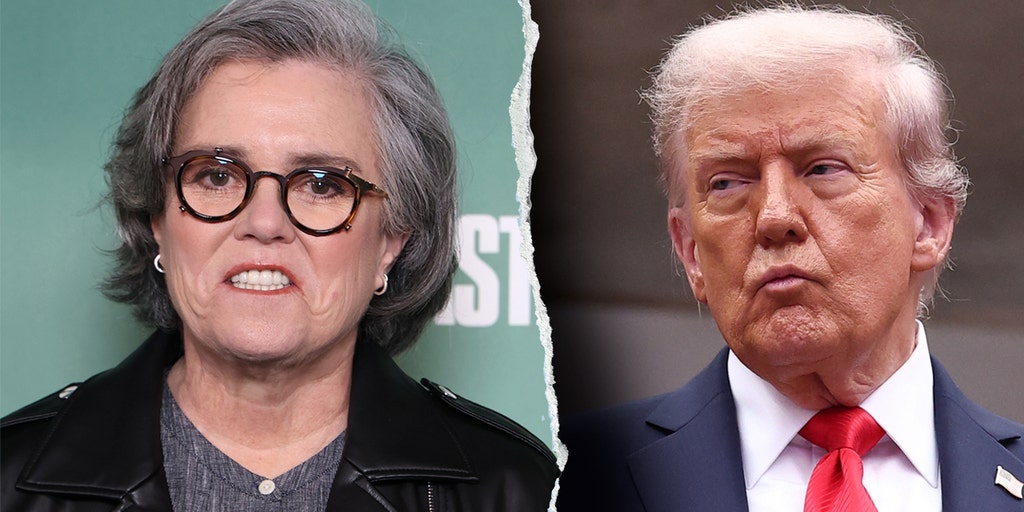
The clip quickly went viral, circulating across platforms within hours. Media analysts described it as one of the most widely shared late-night segments of the year, fueled in part by the President’s reported reaction. Political commentators, in turn, debated whether the televised confrontation represented a meaningful critique of presidential leadership or simply the latest entry in the long-running culture war that now functions as a second political arena.
Behind the scenes, however, the moment captured something deeper: the persistent tension between a presidency defined by its performative instincts and an entertainment landscape increasingly unafraid to confront it. Trump’s political career has been shaped by television — from his origins as a reality-show figure to his uncanny ability to dominate media cycles — and he remains one of the most TV-attentive presidents in modern history. That the catalyst for his outburst came not from Congress, courts, or foreign leaders, but from two entertainers, is a reminder of how entwined the presidency has become with the world of televised spectacle.
Kimmel and O’Donnell have not commented publicly on the President’s alleged meltdown, though a spokesperson for Kimmel’s program described the segment as “satire in its purest form.” The White House, for its part, declined to comment, neither confirming nor denying the accounts from Mar-a-Lago.

Still, the moment marks a curious chapter in the ongoing interplay between politics and entertainment — one in which comedians, actors, and late-night hosts increasingly find themselves shaping national discourse. For now, the viral clip continues to spread, the laughter continues to echo, and the President’s reaction — whether out of frustration, disbelief, or a sense of personal affront — continues to fuel the story.
In a political climate where image is power, and where the nation’s most influential conversations often unfold after midnight, the Kimmel-O’Donnell segment served as a reminder: the lines between performance and presidency have never been thinner, and the fallout from a joke can travel farther than ever before.