TRUMP EXPLODES as $3.5 MILLION FILES VANISH — DOJ Transparency Fight ERUPTS Over Epstein Depositions
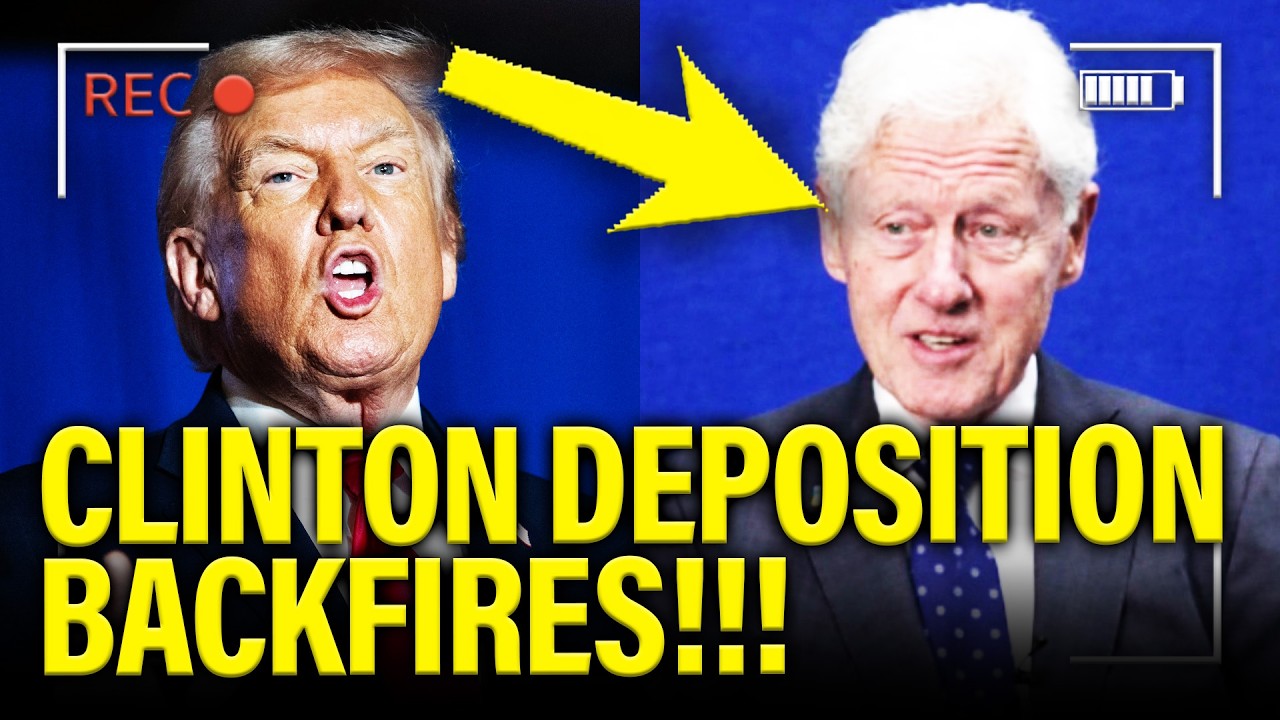
Transparency Firestorm Surrounds High-Profile Depositions in New York
In a week marked by escalating political tension, a new transparency battle has erupted in Washington and New York as congressional depositions tied to the Jeffrey Epstein investigation unfolded under intense public scrutiny. What began as a routine oversight proceeding quickly evolved into a broader confrontation over missing federal records, executive accountability, and the scope of congressional authority.
At the center of the storm is former President Donald Trump, whose allies and critics alike found themselves responding to questions surrounding Department of Justice document releases. Lawmakers disclosed that as many as $3.5 million pages and related materials connected to the Epstein investigation remain unreleased, while some FBI 302 interview summaries are reportedly absent from official archives. The Department of Justice has not publicly confirmed any intentional removal of files, stating that internal reviews are ongoing.
Congressional Clash Over Missing DOJ Records
The depositions of former President Bill Clinton and former Secretary of State Hillary Clinton in Chappaqua, New York, intensified partisan debate. Republican members described the process as part of a broader effort to ensure accountability across political lines. Democratic lawmakers countered that transparency should extend equally to all individuals named in investigative materials, including current and former officeholders.
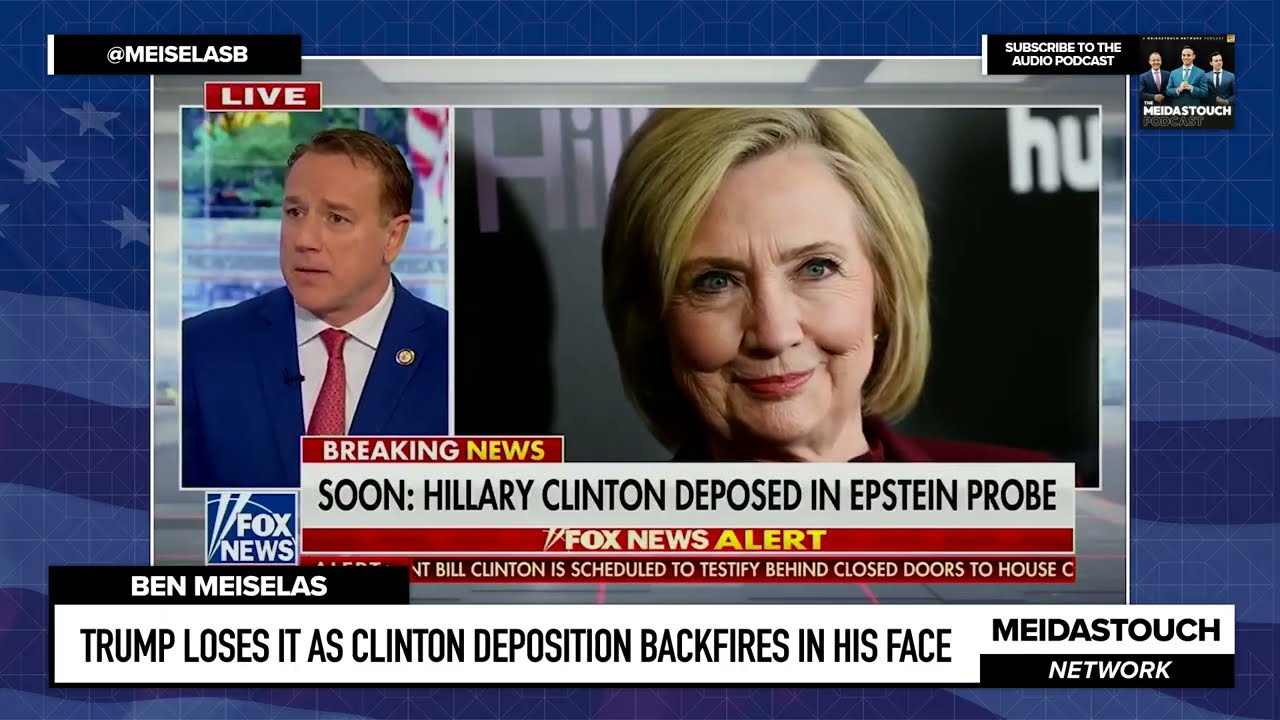
During press exchanges, members of Congress raised concerns about whether additional documentation tied to survivor testimony has yet to be disclosed. Officials involved in the review process have emphasized that document management in large federal investigations can involve classification issues, redactions, and privacy protections for victims. No court has made findings supporting claims of deliberate concealment.
Still, the optics of “vanishing files” have fueled headlines and sharpened rhetoric on both sides of the aisle.
Trump Responds as Political Pressure Mounts
Sources close to the former president described him as frustrated by renewed media focus on the Epstein files, arguing that previous document releases have already provided extensive transparency. According to congressional Republicans, more than 3 million pages, images, and videos have been released in phases over recent years, although Democrats dispute the completeness of those disclosures.
Trump has not been charged in connection with the Epstein investigation, and no current indictment links him to criminal conduct within those files. Nonetheless, references to his past public association with Epstein — prior to their widely reported falling out — continue to surface in political commentary.
The dispute now centers less on legal liability and more on public disclosure: Who controls the files? What remains classified? And why are certain interview summaries reportedly unavailable?
Expanding Debate: Oversight, National Security, and Global Optics
The transparency fight coincides with broader geopolitical conversations. As congressional committees convene depositions in New York, administration officials have simultaneously discussed Arctic security strategy, Greenland policy, and international cooperation within NATO frameworks. Critics argue that such discussions risk diverting attention from domestic oversight questions, while supporters frame them as parallel national priorities.
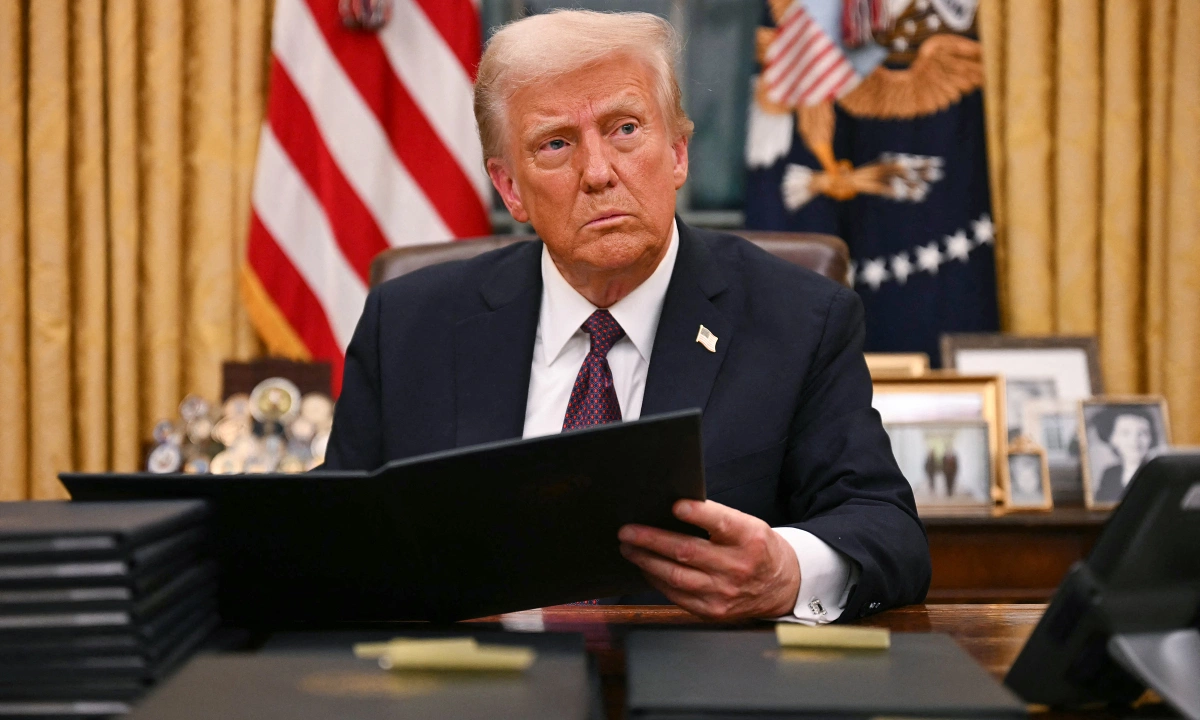
The convergence of oversight hearings, national security rhetoric, and global economic uncertainty has amplified the sense of political volatility. Analysts note that moments like these often generate heightened media cycles, particularly when multiple storylines intersect: high-profile depositions, contested federal documents, and international strategy debates unfolding at once.
The Role of Media and Public Perception
Public reaction has been swift and divided. Social media platforms have amplified claims, counterclaims, and selective excerpts from congressional press conferences. Legal experts caution that allegations circulating online remain distinct from verified findings in court records. Transparency advocates, meanwhile, argue that the credibility of federal institutions depends on timely and comprehensive disclosures.
The Department of Justice maintains that it continues to evaluate document releases in accordance with privacy laws and victim protection standards. Congressional oversight committees from both parties have pledged further review.
What Comes Next in the Transparency Firestorm
With depositions continuing and bipartisan calls for clarity intensifying, the coming weeks may determine whether additional files are released or whether the dispute shifts into litigation over congressional subpoenas. The phrase “Transparency Firestorm” has become shorthand for a broader question confronting Washington: how to balance public accountability, legal due process, and the protection of sensitive investigative materials.
For now, the political temperature remains elevated. What began as a procedural deposition has evolved into a defining debate over institutional trust — one that stretches beyond any single name in the headlines and into the mechanics of federal oversight itself.






