WASHINGTON, February 27, 2026 —
Questions surrounding the release of documents related to Jeffrey Epstein intensified this week after online commentators alleged that a photograph appearing to show Commerce Secretary Howard Lutnick on Epstein’s private Caribbean island briefly appeared — and was later removed — from a Department of Justice database.
The Justice Department has not publicly confirmed removing any image, nor has it issued a statement addressing claims that its search function related to the “Epstein Transparency Act” was temporarily disabled. Independent verification of the alleged photograph and its provenance remains ongoing.

Allegations About DOJ Website Access
Several commentators reported that when they attempted to search names including “Lutnick,” “Epstein,” “Trump,” and “Maxwell” in the DOJ’s online database, the search returned no results. Some interpreted this as evidence of a broader effort to limit access to files.
It is unclear whether the reported search issues were technical in nature, related to server load, database updates, or policy restrictions. The Department of Justice has not provided clarification.
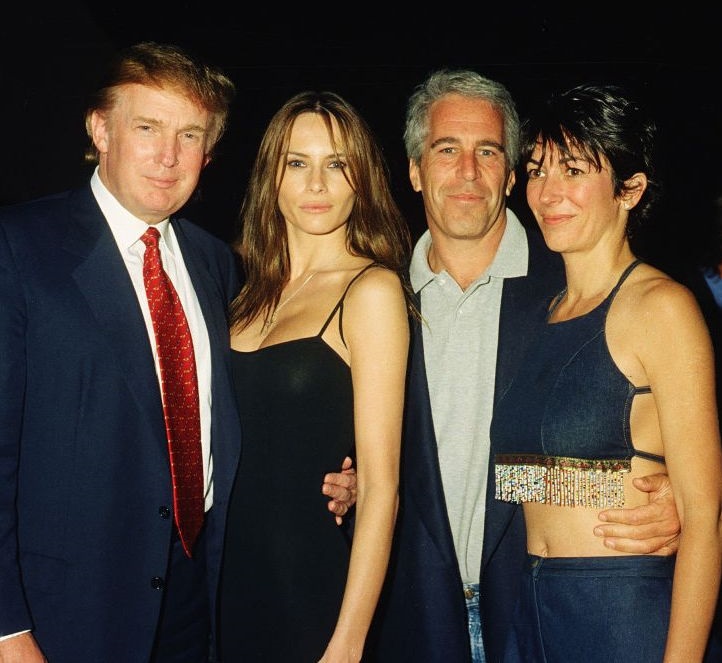
Claims also circulated that a document identified by a Bates number was accessible at one point but later unavailable. However, without official confirmation from DOJ officials, it remains uncertain whether the document was removed, relocated, or subject to redaction under statutory guidelines.
Prior Statements Under Scrutiny
The controversy has revived scrutiny of Lutnick’s previous public comments about his relationship with Epstein.
In past interviews, Lutnick stated that he had limited contact with Epstein and described distancing himself after becoming uncomfortable with him. During Senate questioning, he acknowledged visiting Epstein’s island with family members but stated he did not witness inappropriate conduct.
Critics argue that recently released documents suggest more sustained contact than previously described. Supporters counter that association alone does not constitute wrongdoing and that context matters.
No criminal charges have been filed against Lutnick in connection with Epstein.
Congressional Reaction
Some Democratic members of Congress have called for further inquiry.
Representative Ted Lieu publicly questioned whether Lutnick’s testimony was consistent with newly surfaced documents. Other lawmakers have urged additional oversight hearings.
House Oversight Committee Chair James Comer indicated that testimony from additional witnesses remains “a possibility,” though no formal announcement has been made.
Meanwhile, debates continue over whether all Epstein-related materials required under the Transparency Act have been fully released. Critics argue that certain redactions and withheld pages require explanation; DOJ officials have stated in prior communications that materials may be withheld if they contain personally identifying information, active investigative material, or classified content.
Broader Political Context
The controversy unfolds amid renewed national focus on transparency regarding Epstein’s network of associates. Epstein died in federal custody in 2019, and litigation and public records battles have continued for years.
Former officials, including past administration figures, have defended the DOJ’s handling of sensitive materials, arguing that privacy protections and legal standards limit full public disclosure. Others contend that redactions and delays fuel public distrust.
At present:
-
The authenticity and context of the alleged photograph have not been independently verified by major news outlets.
-
The DOJ has not publicly acknowledged disabling search tools or removing documents.
-
No new criminal findings have been announced related to Lutnick.
What Comes Next
Lawmakers from both parties have signaled interest in continued oversight hearings. Transparency advocates are pushing for clearer explanations regarding withheld documents and database functionality.
Whether the matter results in formal investigation, technical clarification, or fades as a temporary controversy may depend on forthcoming statements from the Department of Justice.
For now, the debate highlights an enduring tension in high-profile document releases: the balance between transparency, legal protections, and political narrative.






