Washington D.C. is enduring its most tumultuous chapter in modern history. No longer confined to televised debates between politicians, those who have historically maintained absolute silence—the highest-ranking military generals of the United States—have officially spoken out. Using scathing terms such as “fascist,” “dictator,” and “traitor,” these four-star generals are signaling an emergency regarding the survival of American democracy under Donald Trump.
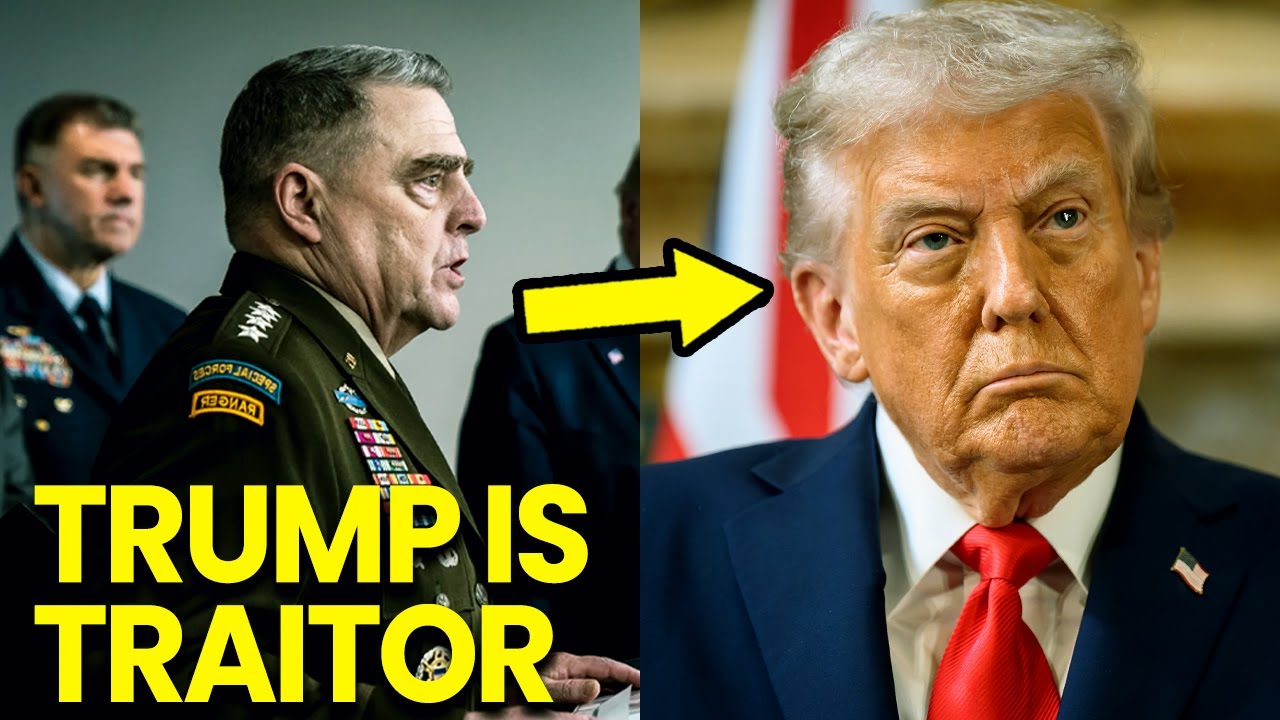
In U.S. military culture, it is extremely rare for active-duty or even retired senior officers to publicly criticize a sitting President. They are trained to submit to civilian control and maintain a position of political neutrality. However, that red line has been crossed.
More than 340 former intelligence and national security officials, alongside a cohort of legendary four-star generals, have simultaneously issued a warning: the United States is on a trajectory toward autocratic governance under Trump’s hand. These are not statements from the Democratic Party or left-leaning media outlets; they are from the individuals who spent their lives protecting the Constitution in the nation’s most classified rooms.
The most staggering aspect of this backlash is that the criticism comes from the very people who were once Trump’s “right-hand men”:
John Kelly (Former White House Chief of Staff, Marine General): He declared that Trump meets the general definition of a “fascist.” Kelly revealed that Trump harbored admiration for dictators and desired generals who were absolutely loyal to him personally, rather than to the Constitution.Mark Milley (Former Chairman of the Joint Chiefs of Staff): The military’s most powerful officer stated bluntly that Trump is “fascist to the core” and represents a severe threat to the nation.Jim Mattis (Former Secretary of Defense): A man Trump once praised effusively has written that Trump is a threat to the Constitution and is deliberately attempting to divide the country.
The heart of this conflict lies in the nature of the U.S. military. Every officer takes an oath to “support and defend the Constitution of the United States,” not to swear loyalty to a President.
However, the generals warn that Trump is attempting to change this. He is carrying out a “purge” of officers who do not comply, replacing them with those willing to follow orders unconditionally. Trump’s ultimate goal, according to the generals, is to turn the military into a personal tool for suppressing domestic political enemies. Trump’s threats to use the Insurrection Act to deploy the military in American cities is a nightmare scenario that the military establishment is now fighting to prevent.
An ironic paradox is unfolding: while Trump frequently labels his opponents “traitors” and demands the death penalty for treason, the generals are using that exact terminology to describe his behavior.
They argue that misusing the military against American citizens, violating the rights of the people, and ignoring court rulings constitutes the true betrayal of the oath to defend the Constitution. Trump is performing a “projection” tactic—accusing others of the very things he is attempting to do—in order to confuse the public.

Why have the generals chosen this moment to erupt? The answer lies in the fear of a third term (or an indefinite extension of power). They understand that if Trump succeeds in replacing the entire military leadership with blind loyalists, there will be no one left at the Pentagon to say “No” to unconstitutional orders.
The window to protect democracy is narrowing. Once the military foundation is corrupted and becomes a tool of dictatorial power, the process of reversal becomes extremely difficult, if not impossible.
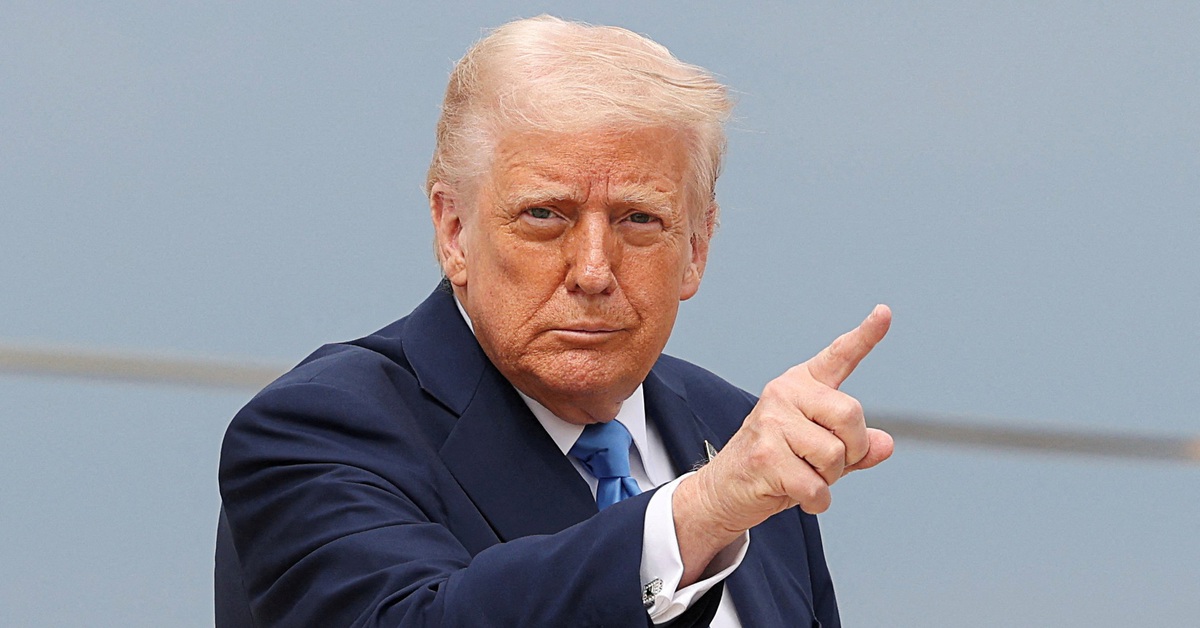
The battle in Washington today is no longer about tax or trade policy; it is about the nature of the American Republic. The voices of these generals are a “distress signal” sent to the entire American people.
When those who hold the highest military power say “the President is a threat,” it is not politics—it is a survival warning. 2026 will be the deciding moment: will the military remain an institution that defends the Constitution, or will it become a force that protects an individual? The answer lies in the ballot and the vigilance of every citizen in the face of the “earthquakes” occurring at the center of global power.