A new political firestorm erupted this week after commentators pointed to previously released communications involving Jeffrey Epstein and former Trump adviser Steve Bannon, arguing that the messages appear to speculate about how then-President Donald Trump might react if politically cornered.
The resurfaced texts, dated December 2018 and included in document releases connected to federal investigations, contain language in which Epstein speculated that a leader under pressure might escalate international tensions to rally domestic support. There is no evidence in the documents that such actions were coordinated, nor do the messages establish foreknowledge of any specific military decision. Still, critics say the language is striking given current geopolitical tensions.
The Messages at the Center of Debate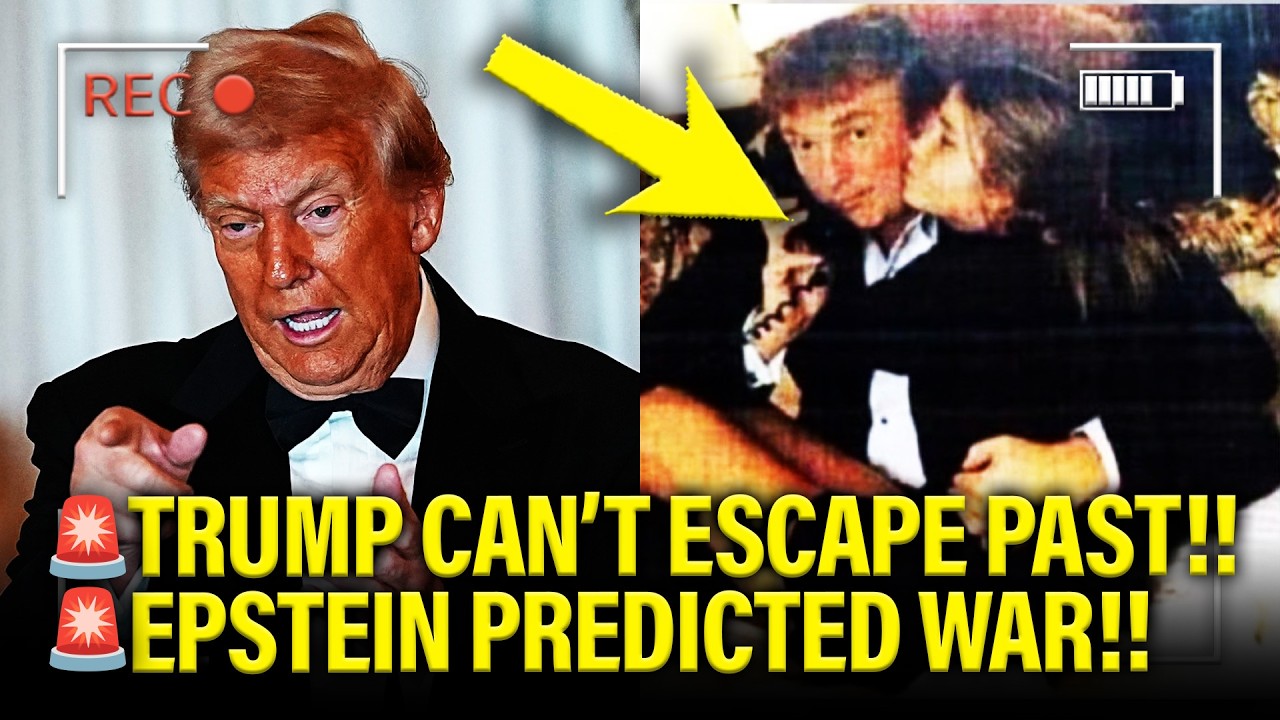
In the communications, Epstein is quoted describing Trump as someone who, if “cornered,” might create or amplify an external crisis. The exchange — which also references global actors including Iran — has fueled commentary online suggesting parallels between those remarks and recent military developments.
Legal experts caution, however, that speculative private commentary does not constitute proof of intent or coordination. “Political rhetoric and private theorizing shouldn’t be confused with documented operational planning,” one former federal prosecutor noted.
Allegations of Diversion
Some political voices have argued that renewed scrutiny over the so-called “Epstein files” coincides with escalating tensions abroad. Supporters of that theory suggest the timing raises questions about motive.
The White House has rejected those claims, calling them “baseless conspiracy narratives.” Officials maintain that any military posture is driven by national security considerations, not domestic political developments.
No independent investigative body has concluded that military actions were connected to document releases or legal scrutiny.
The Broader Geopolitical Context
Foreign policy analysts emphasize that U.S.–Iran tensions long predate the current controversy. Disputes over nuclear enrichment, regional militias, and maritime security have spanned multiple administrations.
Experts also point out that military decisions involving Iran typically follow months — or years — of intelligence assessments, diplomatic exchanges, and defense planning. “These are not snap decisions tied to a news cycle,” said one former Pentagon official.
Hacked Emails and International Claims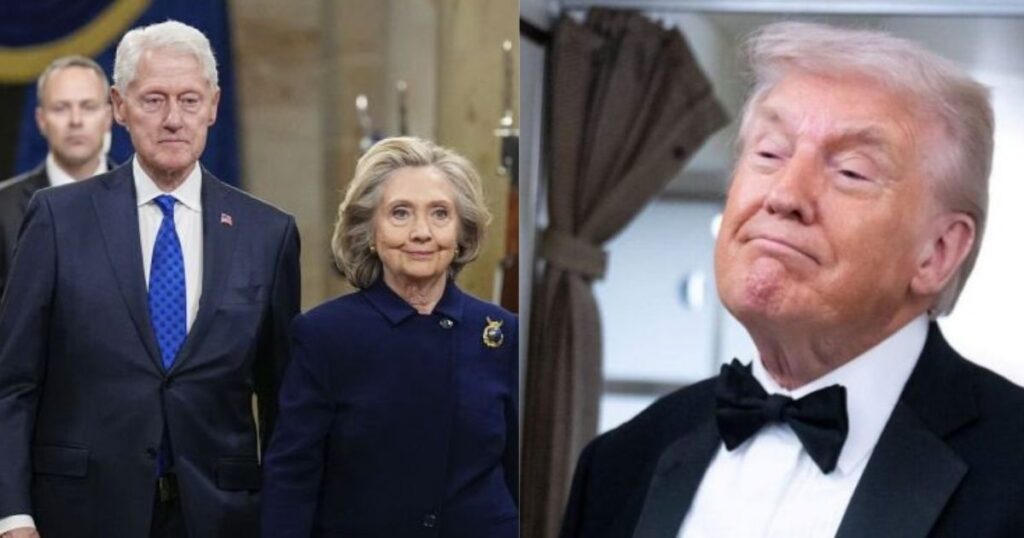
Separate attention has focused on previously reported hacked emails involving former Israeli Prime Minister Ehud Barak. Those materials, reportedly obtained by an Iranian-linked hacking group, have been cited by independent outlets in discussions about regional diplomacy during the Syrian civil war.
Cybersecurity analysts caution that hacked materials must be treated carefully, as context and authenticity can be difficult to verify without forensic review.
Congressional Reaction
Representative Jamie Raskin renewed calls for congressional oversight, stating that war powers rest constitutionally with Congress. Several lawmakers have urged greater transparency regarding both military objectives and the scope of any operations.
Meanwhile, supporters of the administration argue that executive authority allows for limited military action when national security threats are deemed imminent.
Political Fallout
The debate has intensified partisan divisions. Some conservative lawmakers say the resurfaced Epstein materials are being weaponized politically. Others across the aisle argue that full transparency is necessary to restore public trust.
Political strategists note that in a highly polarized environment, overlapping legal, geopolitical, and media narratives often merge — even when no direct evidentiary link is established.






