🔥 BREAKING: Jimmy Kimmel TAKES THE STAGE AT THE Critics Choice Awards — A FEW REMARKS SPARK IMMEDIATE REACTION ⚡
At the annual Critics Choice Awards, an evening typically reserved for industry accolades and genial humor took on a sharper edge when Jimmy Kimmel used his acceptance speech to reflect on political power, criticism and the role of comedy in public life.
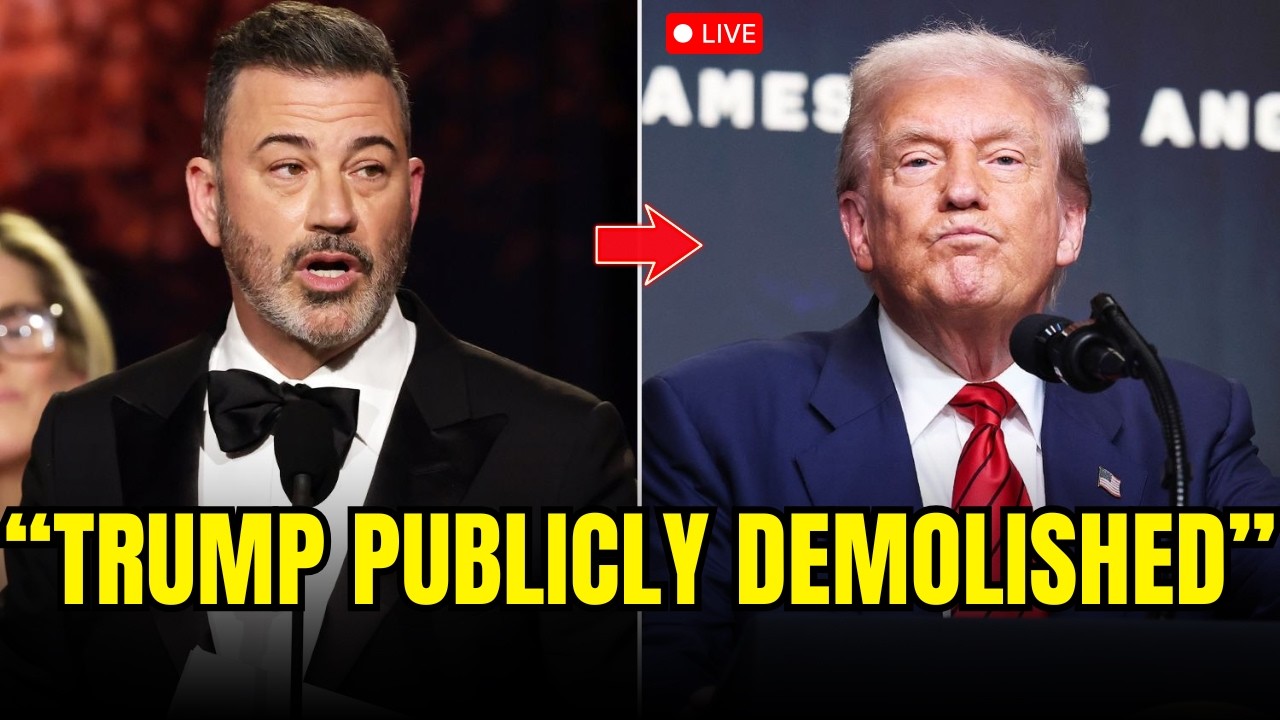
Award shows have long followed a familiar script: expressions of gratitude, light self-deprecation and carefully calibrated jokes that avoid overshadowing the honorees. Mr. Kimmel, a veteran late-night host known for blending satire with pointed commentary, began in that tradition. He thanked colleagues, made a few remarks about television and drew easy laughter from the audience.
Then the tone shifted.
Without immediately naming him, Mr. Kimmel alluded to Donald Trump, who has frequently criticized late-night hosts and other media figures. The room, filled with actors, directors and producers, appeared to sense the turn. The jokes gave way to a more deliberate cadence.
Mr. Kimmel spoke about what it means to be criticized by those in positions of authority and about the tension between public figures and the comedians who lampoon them. He described the experience of being targeted on social media and suggested that scrutiny is an inevitable part of both politics and entertainment.
Then he broadened his argument. True strength, he said, does not require silencing critics. Leadership, in his view, is measured not by the ability to retaliate against jokes but by the capacity to withstand them. “If you can’t handle a comedian,” he added, looking directly into the camera, “you certainly can’t handle a crisis.”
The line drew sustained applause and, according to attendees, a standing ovation from much of the room. Within hours, clips of the speech circulated widely online, shared by supporters who framed it as a rare moment of candor at a Hollywood ceremony.
Mr. Trump responded on social media, criticizing Mr. Kimmel and accusing Hollywood of partisan bias. The exchange followed a familiar pattern: a late-night host delivers a pointed monologue, and the former president replies in kind. Each response amplifies the other, extending the life of the original remarks far beyond the ballroom in which they were delivered.
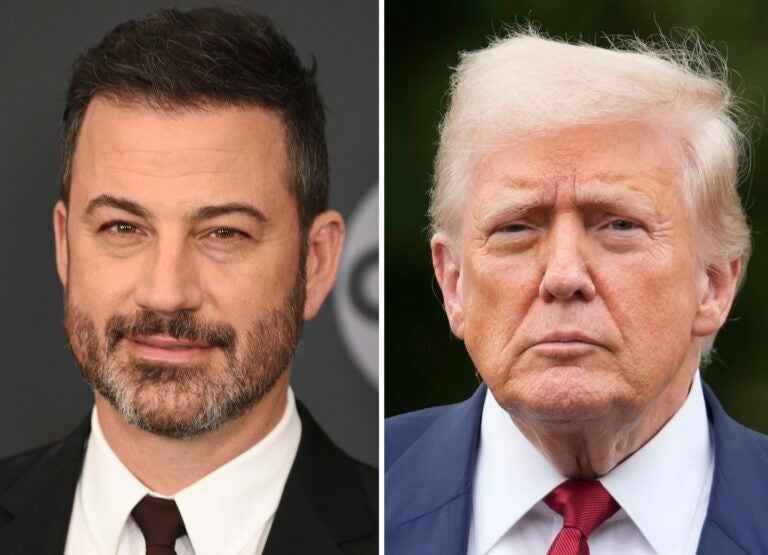
Yet the moment resonated for reasons that extend beyond the latest chapter in a long-running feud. Late-night television has increasingly become a forum for political expression. Hosts such as Mr. Kimmel are no longer confined to entertainment; they operate in a space where humor and commentary intersect. Monologues are dissected the next morning on cable news and debated across social media platforms.
For Mr. Kimmel, the speech appeared to be both personal and thematic. He has spoken in the past about the responsibilities of public figures and the limits of satire. In his remarks at the awards ceremony, he suggested that comedians serve as a kind of civic barometer, testing how those in power respond to dissent, however lighthearted.
Political scientists often note that democracies rely on informal norms as much as formal institutions. Among those norms is tolerance for criticism — even ridicule. Satire has long played a role in American political culture, from newspaper cartoons in the 19th century to television sketches today. The ability of leaders to endure mockery without retaliation is sometimes cited as a measure of institutional confidence.
At the same time, critics of late-night hosts argue that such speeches blur the line between entertainment and advocacy, potentially alienating viewers who prefer award shows to remain apolitical. The Critics Choice Awards, organized by the Critics Choice Association, are not traditionally known for overt political statements. That context made Mr. Kimmel’s remarks more conspicuous.
The broader reaction underscored the polarized climate in which such comments now land. Supporters praised the speech as an example of speaking truth to power. Detractors dismissed it as predictable Hollywood partisanship. Both responses were amplified by algorithms that reward outrage and affirmation in equal measure.
Whether the speech will have a lasting impact on public opinion is uncertain. Award show moments often flare brightly and then recede. But for a few days, Mr. Kimmel’s remarks served as a reminder that even spaces designed for celebration can become platforms for debate.
In the end, the episode illustrated the evolving role of comedians in American civic life. They are entertainers, certainly, but also commentators navigating a media landscape in which humor travels instantly and reactions arrive just as fast.
At an event meant to honor artistic achievement, Mr. Kimmel chose to reflect on resilience and criticism. The applause that followed suggested that, at least in that room, many agreed with his premise: that the measure of power may lie not in how loudly it speaks, but in how calmly it listens — even when the joke is at its expense.






