As newly unsealed court documents and archived flight logs continue to circulate online, Naomi Campbell has again been drawn into the long and unsettled public reckoning over Jeffrey Epstein’s network. The renewed scrutiny, amplified by social media and partisan commentary, has placed one of fashion’s most enduring figures at the center of a debate that blends documented association with speculation about complicity.
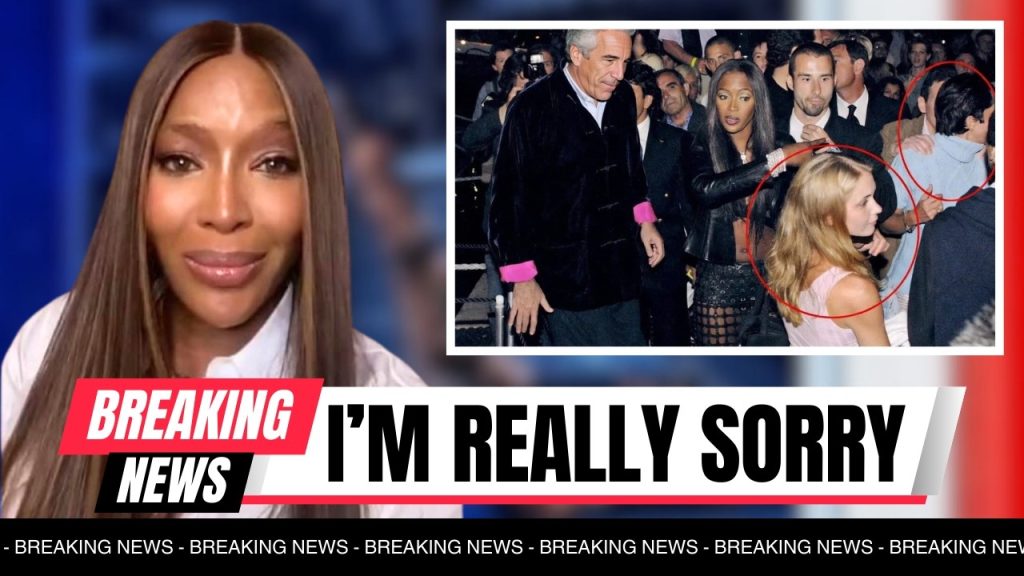
Campbell, who for nearly four decades has been among the most recognizable figures in global fashion, has acknowledged knowing Epstein and having encountered him in social settings. She has repeatedly denied any knowledge of his crimes, describing his actions as “indefensible” and expressing sympathy for victims. Her core argument has remained consistent: proximity does not equal participation, and photographs or flight manifests alone do not establish wrongdoing.
The documents fueling the latest wave of attention include previously disclosed flight logs from Epstein’s private aircraft, contact book entries and deposition transcripts from civil litigation related to Ghislaine Maxwell. Campbell’s name appears in some of those records, reflecting travel on Epstein’s plane in the early 2000s and attendance at events where Epstein and Maxwell were present. Such details have circulated before, but their reappearance in aggregated online summaries has given them renewed visibility.
Legal experts caution against conflating documented association with criminal liability. “Being in a contact book or on a passenger manifest does not, by itself, indicate knowledge of criminal conduct,” said one former federal prosecutor familiar with complex trafficking investigations. In high-profile social circles, he noted, wealthy individuals often cultivate wide networks that include business leaders, entertainers and political figures, many of whom later distance themselves when misconduct comes to light.
Still, for public figures, reputational risk operates on a different axis than legal exposure. Campbell’s prominence in the modeling industry during the period when Epstein maintained connections to figures in fashion and finance has made her a recurring subject of inquiry. Epstein’s relationship with Leslie Wexner, the retail executive who controlled Victoria’s Secret, linked him to the fashion world at a time when Campbell was among its most influential ambassadors.
Some deposition testimony from Epstein-related civil cases has referenced social gatherings where Campbell was present, including a yacht event in the South of France. Photographs published in prior litigation show Campbell and Maxwell at social occasions alongside other guests. None of the court records released to date have charged Campbell with a crime, and she has not been accused by prosecutors of participating in trafficking activities. But in the court of public opinion, the line between documented presence and alleged facilitation can blur quickly.
The renewed attention also reflects the evolving way in which Epstein’s case is processed by the public. In the years since his 2019 death in federal custody, document releases have occurred in waves, often years after initial investigations. Each new tranche of materials has prompted online efforts to map associations, sometimes without regard to context or evidentiary standards. For celebrities, the digital afterlife of those documents can be as consequential as the legal record itself.
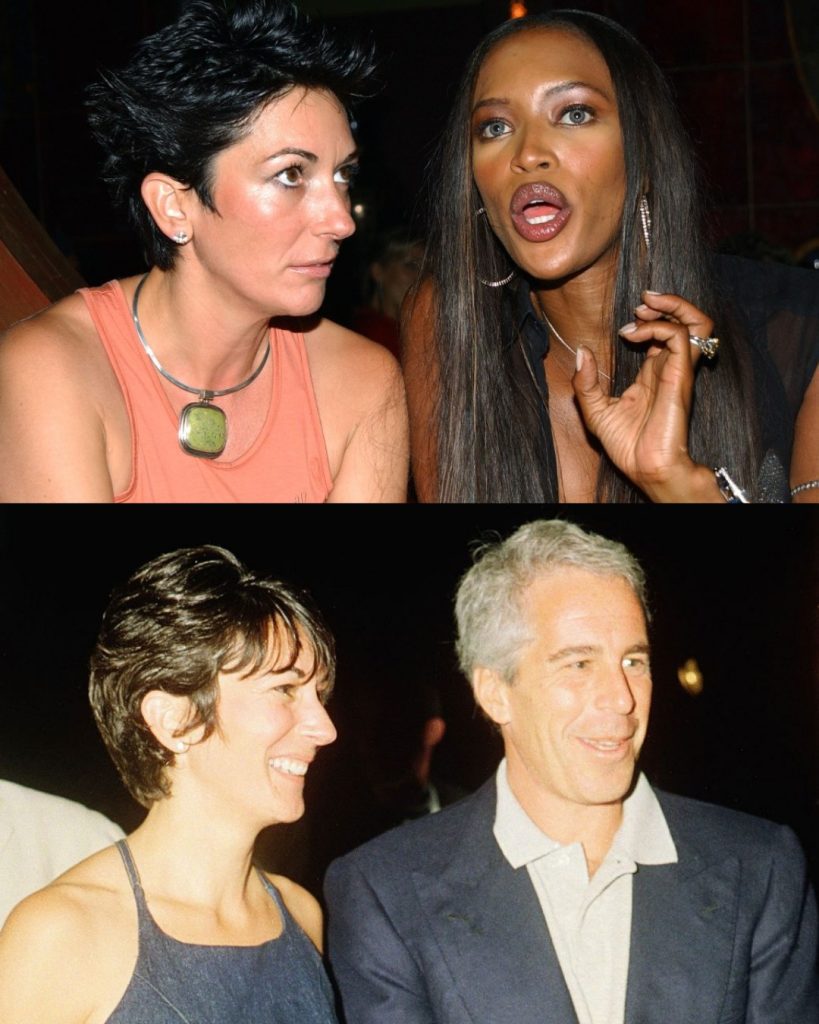
Campbell’s representatives have characterized the current scrutiny as a recycling of old allegations framed in more inflammatory language. In interviews, she has emphasized that she was introduced to Epstein through mutual acquaintances and that she was unaware of his criminal behavior. She has also pointed to the reality of celebrity life, where public events, charity galas and fashion shows generate countless photographs alongside individuals whose private conduct is unknown to other attendees.
Advocates for Epstein’s victims argue that continued public attention to the network of associates is necessary to understand how he operated for so long. Epstein’s ability to move comfortably among political leaders, financiers and cultural icons, they contend, contributed to the aura of legitimacy that shielded him. In that analysis, the question is less about individual guilt than about the ecosystem of prestige that discouraged scrutiny.
The modeling industry itself has faced broader questions about power imbalances, recruitment practices and the vulnerability of young entrants. The conviction of Jean-Luc Brunel, a modeling agent with ties to Epstein, underscored how professional pathways could intersect with exploitation. Whether those intersections implicate high-profile figures directly or indirectly remains a matter for courts and investigators, not viral commentary.
For Campbell, the moment represents a familiar but intensified test of resilience. She has weathered controversies before, from legal disputes to public scrutiny over personal conduct. What distinguishes the current episode is its attachment to a case that has become shorthand for elite impunity and systemic failure. In that environment, nuance struggles to compete with outrage.
The broader reckoning over Epstein’s network continues to unfold through litigation, investigative reporting and periodic document releases. As it does, public figures who once crossed his path are likely to remain subjects of scrutiny, regardless of formal legal findings. The tension between association and accountability, between documented presence and proven complicity, will shape not only individual reputations but also how society understands the networks that enabled one of the most notorious criminal enterprises of the modern era.






