TRUMP WAR STRATEGY EXPLODES AS $82 OIL SURGE SHOCKS MARKETS — IRAN CONFLICT SPIRALS REGIONALLY
A Presidency Confronts a Rapidly Expanding Regional Crisis
WASHINGTON — In a week defined by sharp escalation and global uncertainty, President Donald Trump’s military strategy in the Middle East has come under intense scrutiny as the conflict involving Iran widened across multiple fronts. What began as targeted strikes has evolved into a volatile regional confrontation, rattling energy markets, unsettling allies and adversaries alike, and reigniting debate in Washington over long-term objectives.
Brent crude surged to $82 per barrel amid fears of supply disruption, a 13 percent jump that sent tremors through financial markets already wary of geopolitical instability. Futures for the Dow Jones Industrial Average, the Nasdaq and the S&P 500 signaled significant declines, reflecting investor anxiety about prolonged conflict and its cascading economic consequences. Analysts noted that energy price spikes of this magnitude can quickly translate into higher transportation costs, supply chain pressure and renewed inflation concerns.
Casualties Confirmed as Military Operations Continue
The Pentagon confirmed that three U.S. service members were killed in action, with additional personnel wounded. In remarks acknowledging the losses, the President stated that operations would continue until “all objectives are achieved,” though specific benchmarks remain the subject of ongoing discussion among lawmakers and defense officials.
Combat activity intensified across several theaters. Iranian drone and missile strikes reportedly targeted U.S. facilities in Iraq and elsewhere in the Gulf region, while Israel faced renewed projectile fire from multiple directions. Footage circulated online appeared to show secondary explosions at ammunition depots and visible damage in urban areas, underscoring the speed with which the conflict has spread.
Regional tensions were further compounded by unrest near diplomatic facilities and demonstrations in several capitals. Governments in the Middle East activated emergency security protocols, and international airlines adjusted routes amid safety concerns.
Mixed Signals on Strategic Objectives
The administration’s strategic framing has evolved in recent days. Initial emphasis on limiting uranium enrichment and constraining ballistic missile capabilities has at times been accompanied by broader rhetoric about reshaping regional security dynamics. Senator Lindsey Graham, a longtime foreign policy hawk, clarified that the stated objective was to neutralize threats rather than pursue regime change — a distinction that reflects ongoing policy deliberations within Washington.
Diplomatic overtures, including reported efforts to secure ceasefire discussions, have not yielded immediate breakthroughs. Iranian officials signaled resistance to external pressure while asserting their capacity to sustain operations. Meanwhile, European leaders urged de-escalation and emphasized the need for coordinated diplomacy to prevent a broader conflagration.
Global Ripple Effects and Market Repercussions
Beyond the battlefield, the economic consequences are unfolding in real time. Energy traders cited concerns about potential disruptions to shipping lanes and oil infrastructure as drivers of the rapid price surge. For American consumers, sustained increases in crude prices could translate into higher gasoline costs, a politically sensitive issue in an election cycle already marked by intense debate over economic stewardship.
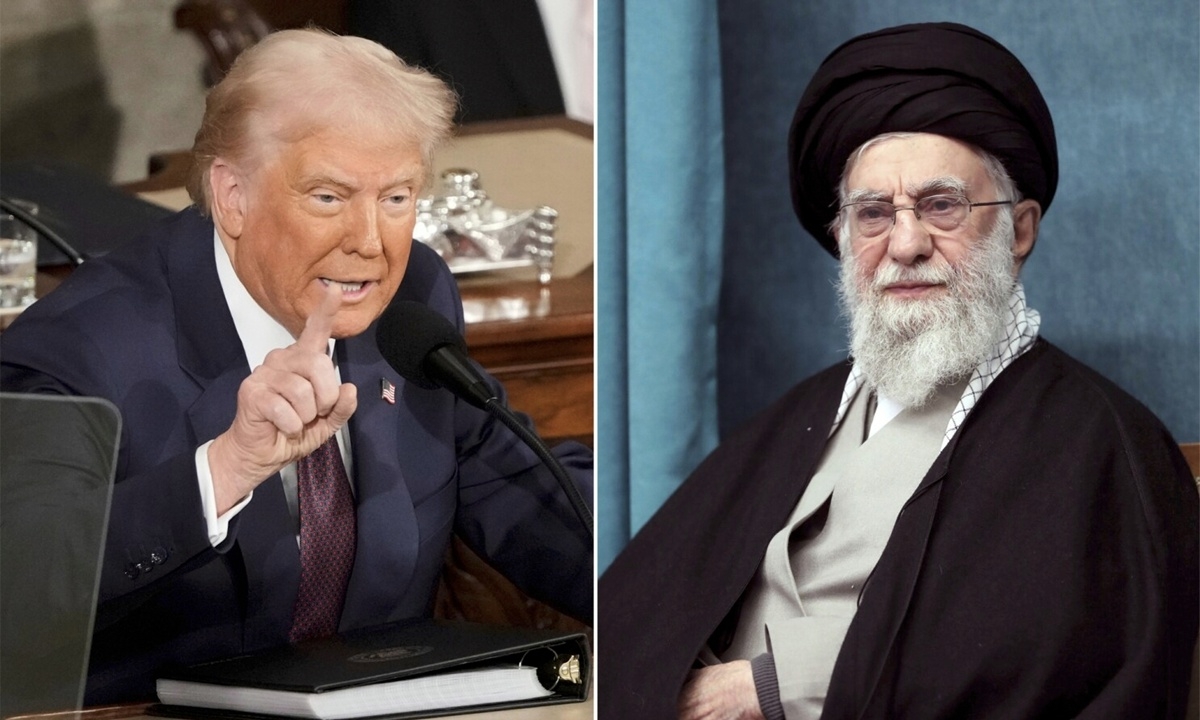
Financial strategists warned that prolonged instability in the Middle East, coupled with ongoing hostilities between Russia and Ukraine, risks compounding global volatility. A major strike in a Russian port facility this week highlighted the interconnected nature of modern conflict, where developments in one theater can reverberate through global commodity markets.
The International Monetary Fund and other institutions have previously cautioned that simultaneous geopolitical shocks can dampen global growth, particularly when energy and trade routes are implicated.
Communication and Public Response
Questions about communication strategy also surfaced as reporters pressed the President for clarification on operational goals and timelines. While formal statements have been issued, observers noted that public demand for detailed briefings has grown as the situation evolves.
Polling released this week suggested a divided public response to the military action, reflecting longstanding American ambivalence toward extended overseas engagements. Lawmakers from both parties called for greater transparency and congressional consultation as operations continue.
A Conflict at a Crossroads
As missile exchanges, drone strikes and diplomatic maneuvers unfold almost hourly, the trajectory of the conflict remains uncertain. Military analysts caution that regional alliances and nonstate actors could further complicate efforts to contain hostilities. Energy markets will likely remain sensitive to any signal of escalation or restraint.
For now, Washington confronts a pivotal moment: balancing immediate security concerns with the broader imperative of preventing a conflict that could reshape the region and reverberate through the global economy. The coming days may determine whether this episode becomes a contained confrontation or the opening chapter of a longer and more destabilizing era.






