Cultural Voices Enter Political Debate as Trump Faces Renewed Scrutiny
WASHINGTON — Academy Award–winning actor Morgan Freeman has sparked renewed political debate after sharply criticizing President Donald Trump during a recent national television interview. Speaking with MSNBC host Lawrence O’Donnell, Freeman questioned how a leader previously convicted on felony charges could serve as president, describing the current political climate as deeply troubling. His remarks quickly circulated online, drawing both strong support and pointed backlash.
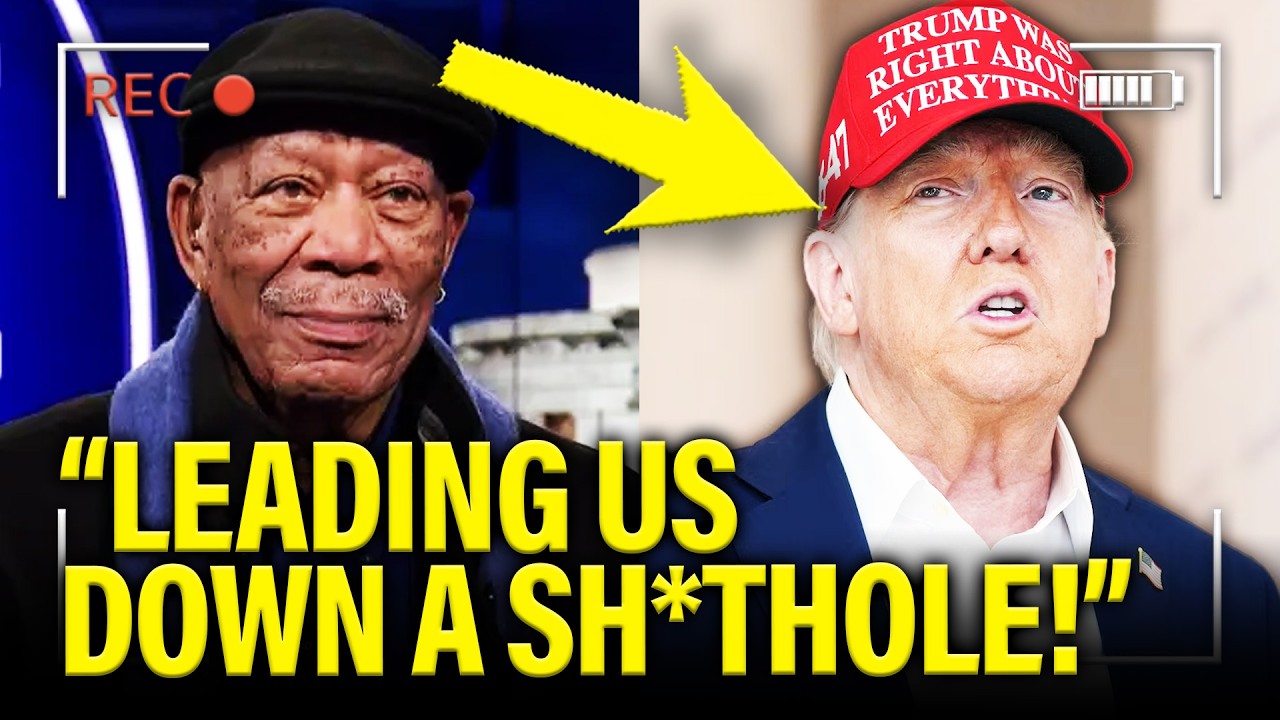
Supporters of the president argued that entertainers should remain outside political discourse, while critics countered that public figures have long played a role in civic debate. Freeman’s comments did not emerge in isolation. They came amid polling data showing public skepticism toward the administration on issues including economic management, executive authority, and public trust. Several recent surveys indicate that approval ratings on economic handling remain underwater, with significant concern among independent voters.
Economic indicators have added further pressure. A recent producer price index report showed prices rising 2.9 percent year over year, with core inflation reaching 3.6 percent — the highest level since early 2025. Markets reacted swiftly, with major indexes declining amid concerns that interest rates may remain elevated longer than expected. Analysts pointed to a combination of inflationary pressure and volatility in technology sectors as contributing factors.
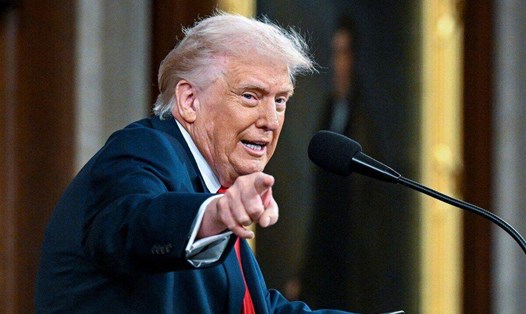
Freeman’s critique also fits within a broader historical tradition of cultural figures engaging in political activism. From boxing legend Muhammad Ali to Olympic medalists John Carlos and Tommie Smith, artists and athletes have periodically shaped national conversations beyond their professional arenas. While controversial at the time, many such interventions have later been recognized as influential moments in civic discourse.
The debate over whether entertainers should speak on political matters remains sharply divided. Advocates argue that freedom of expression extends to all citizens, regardless of profession. Critics contend that celebrity commentary can deepen polarization and oversimplify complex policy discussions. Yet the visibility of figures like Freeman ensures that such statements resonate widely.

In his interview, Freeman also encouraged younger voters to participate actively in the democratic process, framing engagement as both a right and a responsibility. His remarks reflect a growing pattern of public figures urging civic participation at a moment when political trust appears strained.
As the political landscape continues to evolve ahead of upcoming elections, the intersection of culture and politics is likely to remain a defining feature of national dialogue. Whether praised or criticized, high-profile voices are shaping how Americans interpret leadership, accountability, and the responsibilities of public office.






