TRUMP ERUPTS AS $300 BILLION IRAN CRISIS EXPLODES — SOCIAL MEDIA FIRESTORM TRIGGERED BY WAR POWERS BACKLASH
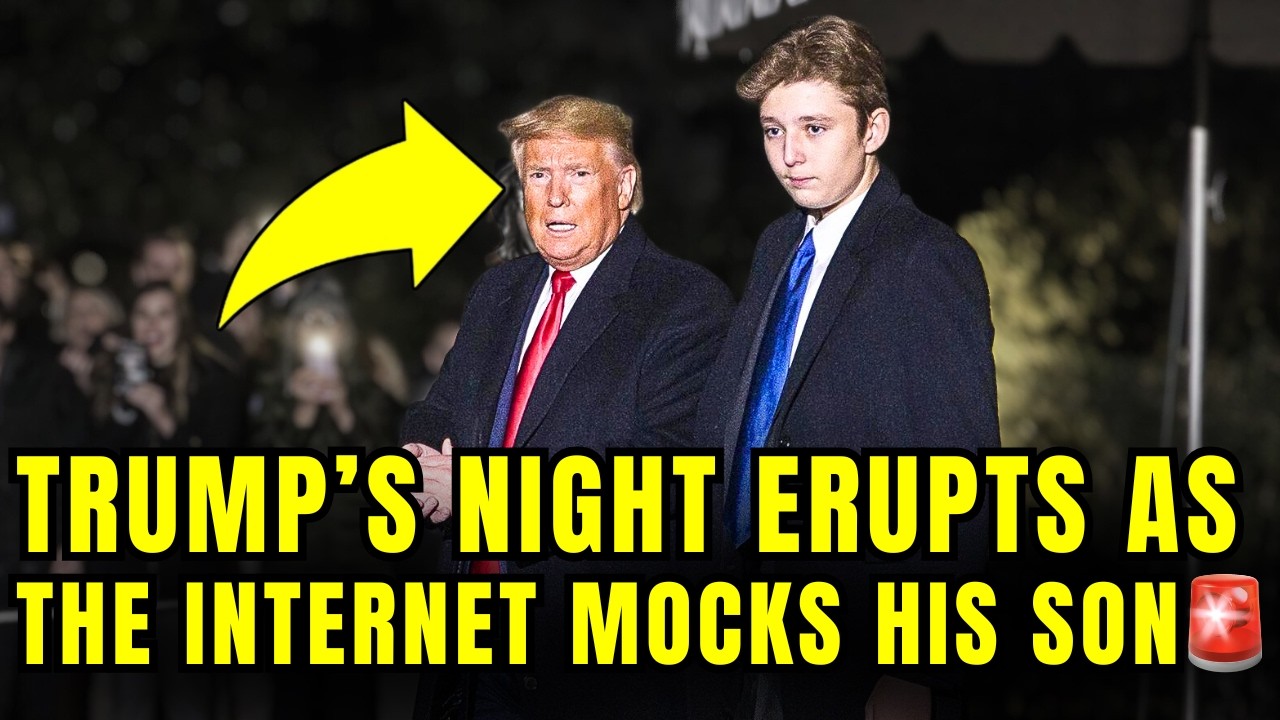
A Presidency Confronts Escalation Abroad and Turbulence at Home
In Washington, moments of military escalation abroad often produce parallel surges of political consequence at home. The latest confrontation involving Iran — a crisis framed by analysts as carrying potential economic exposure of up to $300 billion when accounting for energy markets, defense mobilization, and regional instability — has placed former President Donald Trump at the center of a widening national debate. What began as targeted military action quickly evolved into a broader conversation about executive authority, congressional oversight, and the unpredictable velocity of online reaction.
Within hours of the first confirmed casualties linked to the operation, members of Congress signaled plans to revisit the War Powers Resolution, seeking to clarify or constrain presidential authority in extended military engagements. The legislative response unfolded against a backdrop of rising geopolitical tension, with U.S. Central Command confirming American service member losses and regional actors signaling possible retaliation. Markets responded cautiously, defense analysts recalibrated risk projections, and diplomatic channels intensified behind closed doors.
The War Powers Backlash Gains Momentum
The War Powers Resolution, a statute dating to 1973, has long served as a constitutional pressure valve between the executive branch and Congress. In moments of sudden military engagement, it resurfaces as both a legal instrument and a political symbol. Lawmakers from multiple factions argued that any sustained campaign would require explicit congressional authorization, framing the debate not simply as a partisan clash but as an institutional test of checks and balances.
The timing amplified scrutiny. The strikes followed prior assertions that Iranian capabilities had been significantly degraded in earlier confrontations, raising questions among defense observers about intelligence assessments and long-term strategy. Though the administration maintained that operations were limited and necessary for national security, the renewed activity prompted calls for classified briefings and formal debate on Capitol Hill.
Casualties and Consequence
The confirmation of three American service members killed and several others wounded shifted the tenor of public discourse. In presidential remarks delivered from a teleprompter, Trump expressed condolences and emphasized the stated objectives of the mission. Yet the solemnity of the moment did little to temper the expanding conversation online, where reaction ranged from support for decisive action to sharp criticism of escalation.
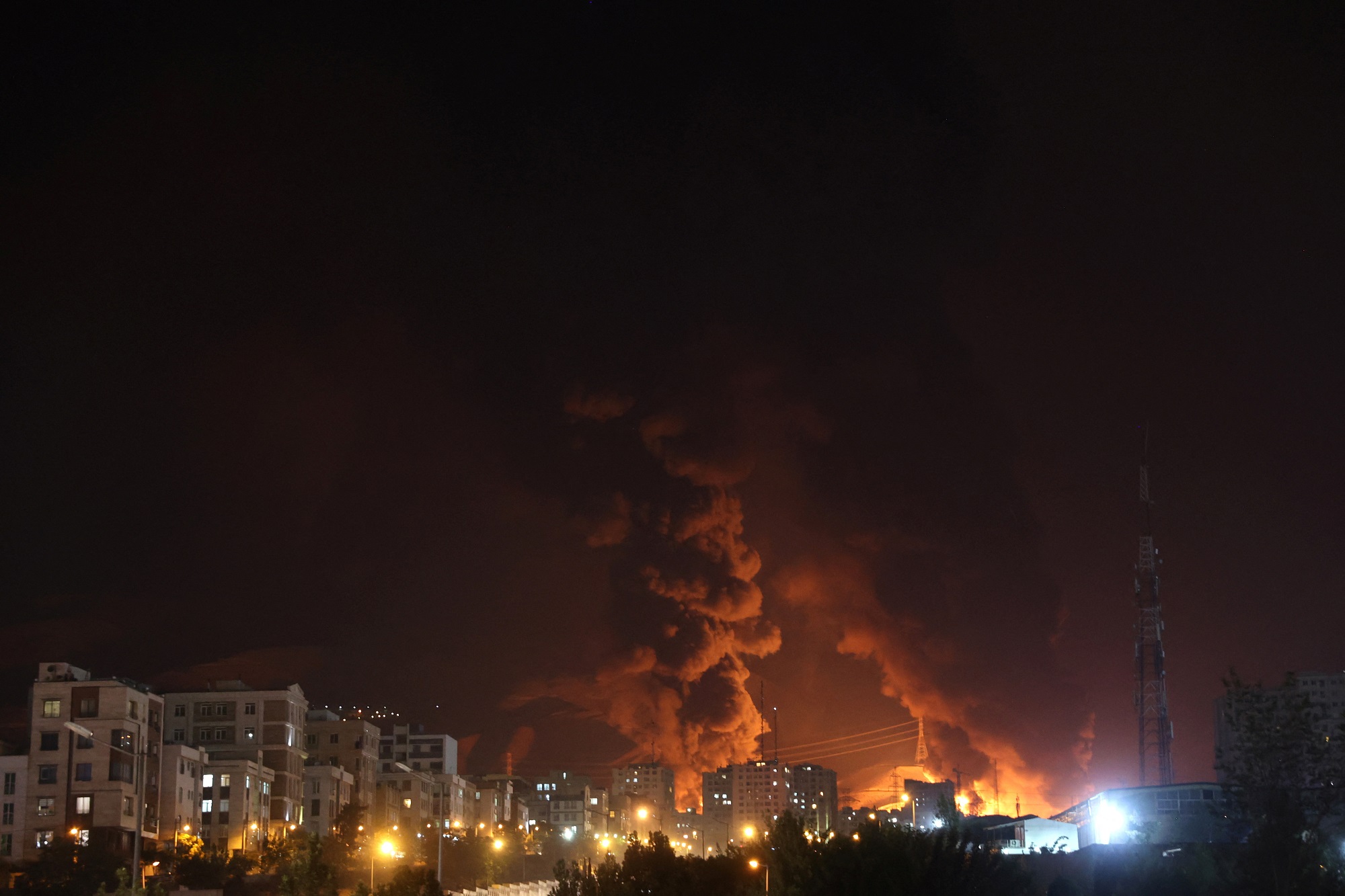
Historically, military casualties often recalibrate public opinion. Political scientists note that early losses in a conflict can crystallize opposition movements or harden partisan divides, particularly when objectives are perceived as ambiguous. In this instance, the human cost intersected with a digital culture primed for rapid mobilization.
Social Media’s Relentless Acceleration
As Washington debated constitutional authority, social media platforms ignited with commentary, satire, and hashtags that placed Trump’s family into the center of the conversation. Viral posts questioned the asymmetry between political leadership and military service, echoing historical criticisms faced by public officials during wartime. The intensity of online discourse underscored a modern reality: geopolitical decisions now unfold in tandem with instantaneous digital judgment.
Communications strategists observe that such online surges can influence mainstream narratives within hours. Cable panels, podcast commentary, and independent video platforms amplified clips and commentary, accelerating what once would have been a slower-moving cycle of public response. For Trump, a figure long attuned to media ecosystems, the speed and volume of reaction presented both challenge and opportunity.
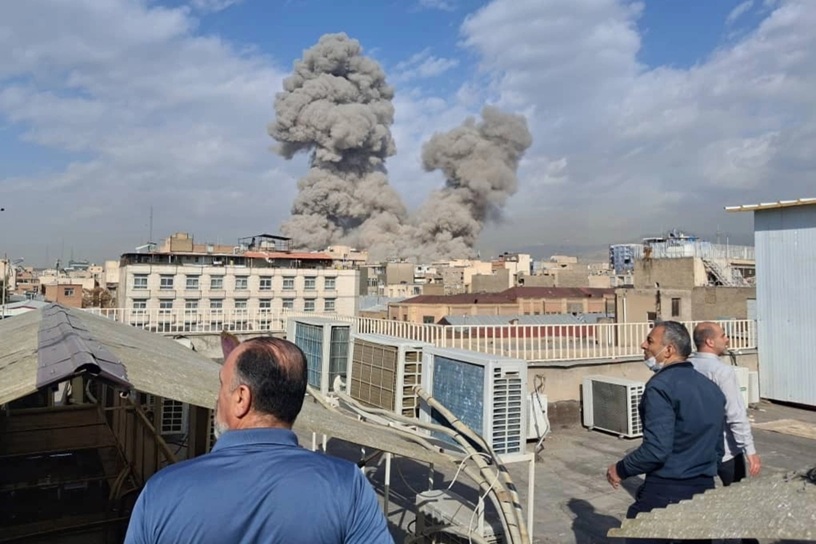
Economic Reverberations and Strategic Uncertainty
Beyond Washington, economic analysts examined the potential ripple effects of prolonged confrontation. Oil futures experienced volatility amid concerns over regional supply routes, while multinational corporations evaluated contingency planning. Defense contractors saw fluctuations tied to procurement expectations, and insurers adjusted risk models for maritime and energy infrastructure exposure.
The $300 billion figure frequently cited in policy circles represents not a direct appropriation but an aggregate projection encompassing operational costs, energy disruptions, and downstream economic shifts. Whether such estimates materialize depends largely on the duration and scope of engagement — variables still uncertain as diplomatic efforts continue.
A Political Moment with Enduring Implications
For Trump, the crisis illustrates the complex intersection of command authority, political legacy, and digital-age scrutiny. Supporters frame the posture as assertive defense of American interests; critics argue for restraint and clearer congressional mandate. Meanwhile, legislators continue to weigh procedural pathways to reassert oversight, aware that precedent established in moments like this can shape executive power for decades.
As the situation evolves, the episode stands as a case study in how swiftly foreign policy decisions can cascade into domestic political reckoning. Military action, legislative pushback, economic tremors, and viral commentary have converged into a single narrative arc — one that reflects the volatility of contemporary governance. In an era defined by instantaneous information flow, even the most traditional instruments of statecraft now unfold under the unblinking lens of a connected public.






