Questions Intensify Over Epstein Document Releases as Trump Faces Renewed Scrutiny
The political storm surrounding the long-running investigation into Jeffrey Epstein has entered a new phase, as disputes over document releases and congressional testimony requests place former President Donald J. Trump back at the center of a contentious national debate.
In recent weeks, lawmakers from both parties have raised concerns about the scope and transparency of materials released by the Department of Justice related to Epstein’s network and associates. While millions of pages have been disclosed over time, critics argue that significant portions remain redacted or unreleased, fueling suspicions across the political spectrum.
Mr. Trump, who has previously dismissed questions about his past acquaintance with Epstein, has not been formally charged with any wrongdoing. He has characterized certain claims circulating online as politically motivated and has denied improper conduct. Still, calls for clarity have grown louder, particularly after members of Congress signaled interest in further testimony from prominent figures connected to the case.
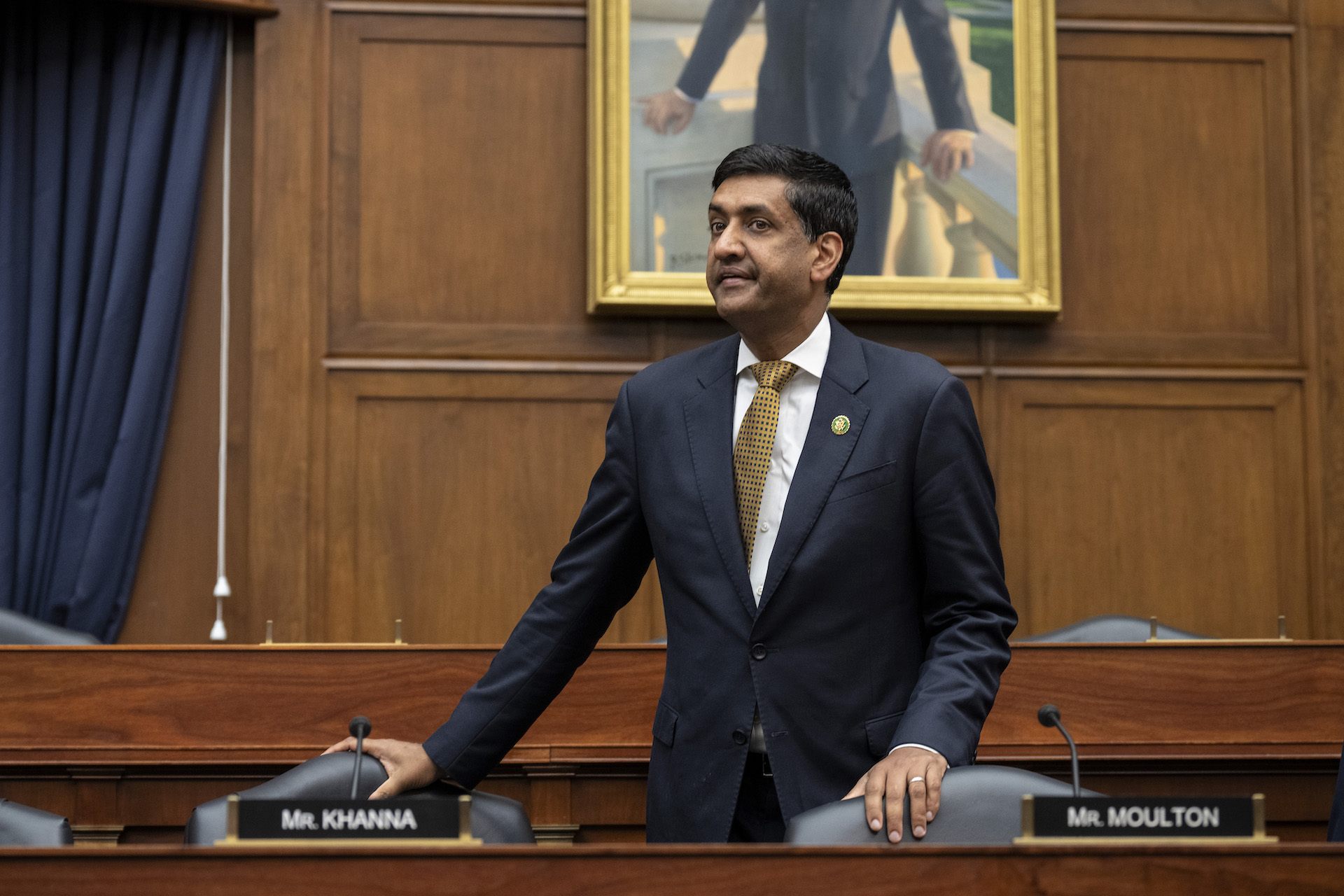
Representative Ro Khanna, Democrat of California, has argued that congressional oversight requires consistency. If former President Bill Clinton and other public figures can be questioned under oath about their associations with Epstein, Mr. Trump, he suggested, should be subject to the same standard. “If Congress issues a subpoena, presidents and former presidents should respond,” Mr. Khanna said in a recent interview.
The issue has also drawn attention from conservative commentators and online personalities, some of whom have publicly stated that any leader named in investigative records should testify if requested. That rare convergence of viewpoints has underscored the depth of public unease about the handling of the case.
At the center of the controversy is the Justice Department’s release process. Lawmakers including Representative Thomas Massie, Republican of Kentucky, have criticized the pace of arrests and prosecutions stemming from Epstein-related investigations in the United States, noting that authorities abroad have pursued cases connected to the scandal. “Congress funds the Department of Justice,” Mr. Massie said in remarks on the House floor. “When will we see justice?”
The Department of Justice has not commented on specific redactions, citing privacy protections for victims and the integrity of ongoing investigations. Legal experts note that federal law restricts the disclosure of certain personal information, particularly in cases involving allegations of sexual exploitation. They caution that redactions do not necessarily indicate concealment but often reflect statutory requirements.
Nevertheless, the debate has intensified after online observers claimed that certain documents briefly appeared and were later removed from public databases before being reposted. Justice Department officials have not confirmed whether any deletions occurred or explained the circumstances of document management procedures.
The controversy has also revived scrutiny of past associations between Epstein and various political and business figures. Epstein maintained social and professional connections with individuals across ideological lines for years before his arrest in 2019 on federal sex trafficking charges. He died later that year in a Manhattan jail cell in what authorities ruled a suicide.
Mr. Trump has acknowledged knowing Epstein socially decades ago but has said he cut ties well before the financier’s legal troubles became widely known. In 2019, he stated that he had not spoken with Epstein “in 15 years” and was “not a fan.”
The renewed focus comes amid broader questions about trust in public institutions. Polling conducted in recent months suggests that voters across party lines remain skeptical that all relevant information has been made public. That skepticism has been amplified by partisan media coverage and viral online commentary, which often blends verified facts with unproven claims.
Some Republican lawmakers, including Representative Anna Paulina Luna of Florida, have called for expanded investigations into individuals alleged to have participated in Epstein’s activities, while emphasizing the importance of distinguishing between documented evidence and speculation. “If we remove the partisan nature of this investigation, we might be able to get justice,” Ms. Luna said during a recent public statement.
Legal scholars caution that congressional testimony alone would not resolve the underlying legal questions. “Testifying before Congress is not the same as being charged with a crime,” said Jessica Levinson, a professor at Loyola Law School. “It can clarify timelines and relationships, but it doesn’t substitute for prosecutorial decisions.”
For Mr. Trump, who remains a dominant figure in Republican politics, the issue presents both political and reputational challenges. While his supporters have largely dismissed allegations as partisan attacks, some conservative commentators have argued that full transparency could help dispel lingering doubts.

The broader stakes extend beyond any one individual. The Epstein case has become emblematic of concerns about elite accountability and institutional credibility. As lawmakers debate additional hearings and potential subpoenas, the controversy highlights the persistent tension between public demands for transparency and the legal constraints governing sensitive investigations.
Whether new disclosures will emerge remains uncertain. What is clear is that the political and legal reverberations of the Epstein files continue to shape the national conversation — and are unlikely to fade soon.






