Supreme Court Upends Due Process in Immigration Ruling, Clearing Path for Swift Deportations

WASHINGTON — In a terse, one-paragraph decision that critics say rewards executive overreach, the Supreme Court on Friday overturned a lower court’s order requiring basic notice and due process for immigrants facing deportation to dangerous third countries. The 6-to-3 ruling, which stayed a preliminary injunction from a Massachusetts federal judge, marks another victory for the Trump administration’s aggressive immigration tactics and has ignited fierce debate over the erosion of Fifth Amendment protections.
The case stems from emergency applications by the government to bypass safeguards in deportation proceedings. Immigrants, often fleeing persecution, have been removed to nations like Sudan or Libya — places unrelated to their origins and rife with violence — without adequate hearings or warnings. A district judge had mandated procedural fairness, citing constitutional and statutory rights. But the Supreme Court’s conservative majority granted the stay pending appeal, effectively allowing such removals to resume without delay.
Justice Sonia Sotomayor, joined by Justices Elena Kagan and Ketanji Brown Jackson in a blistering dissent, accused the court of “gross abuse” of its equitable powers. “For centuries, courts have closed the doors of equity to those tainted with inequitableness or bad faith,” Sotomayor wrote, invoking the “unclean hands” doctrine. She cataloged instances where the administration defied court orders: deporting a Mexican citizen who had been raped and tortured back to Mexico on false pretenses; flying non-citizens to Guantánamo Bay en route to El Salvador in violation of a temporary restraining order; and sending others to Libya despite judicial stays.
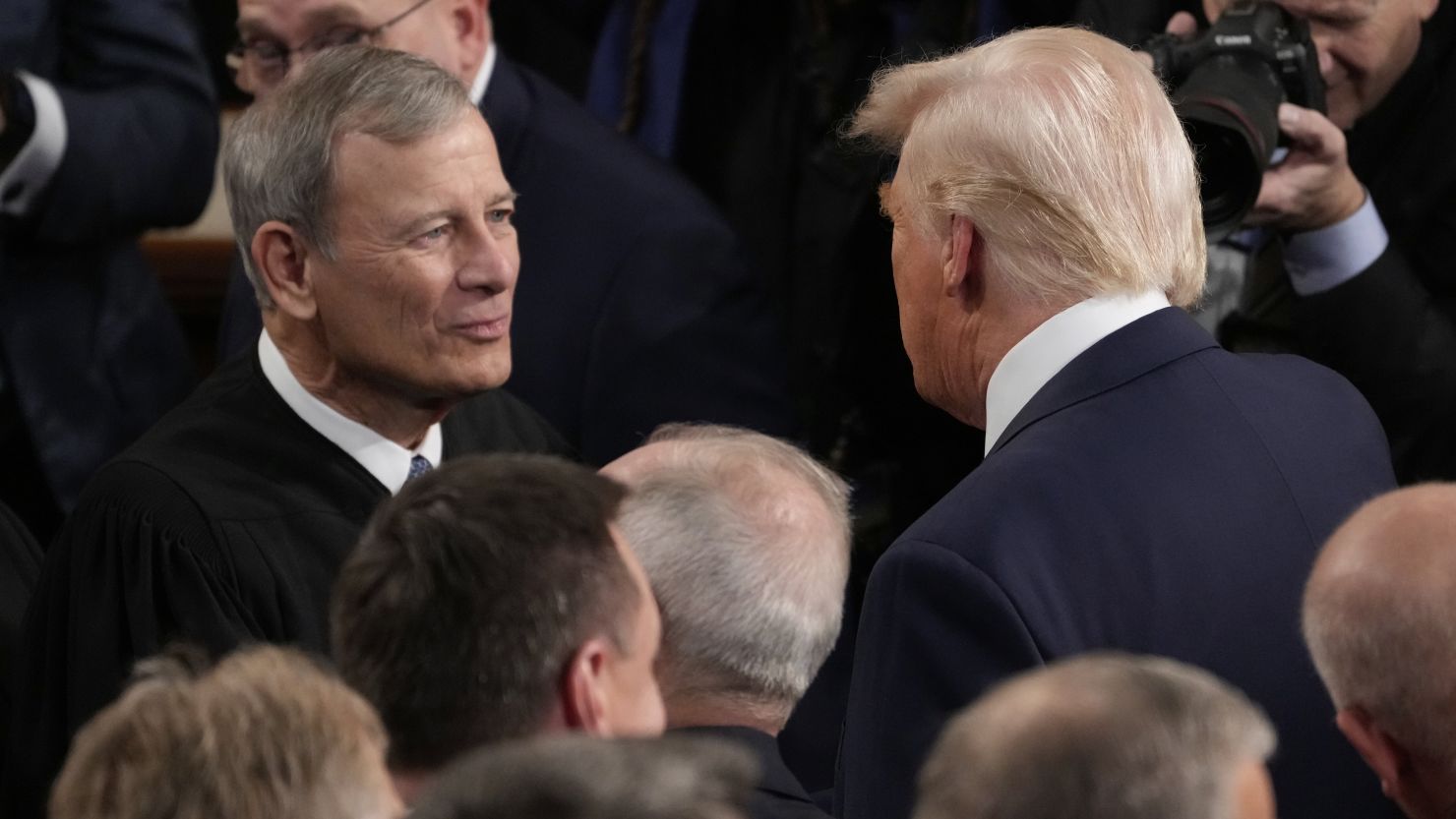
Sotomayor argued the government’s hands were far from clean, yet the majority ignored irreparable harm to thousands at risk of violence. “The court appears to give no serious consideration to the irreparable harm being suffered by these individuals,” she wrote, lamenting a “recent trend” of prioritizing governmental expediency over fundamental rights. Quoting a 1952 case, Youngstown Sheet & Tube Co. v. Sawyer, she reminded her colleagues: “The due process clause represents the principle that ours is a government of laws, not of men.”
The ruling arrives amid escalating immigration enforcement under President Trump, who has ramped up midnight deportations and third-country removals. Critics, including legal scholars and human rights groups, warn it sets a perilous precedent, allowing the executive branch to skirt judicial oversight. “This decision turns due process upside down,” said Michael Popok, a legal analyst with the Midas Touch Network, echoing widespread frustration among progressive voices. “It rewards unconstitutional behavior and leaves vulnerable people without recourse.”
Supporters of the decision, including administration officials, argue it streamlines enforcement against illegal immigration, prioritizing national security over procedural delays. The Justice Department had framed the lower court’s injunction as an overreach, potentially paralyzing deportation operations. With the stay in place, the case now heads to the U.S. Court of Appeals for the First Circuit, where a full review could take months — during which removals may continue unchecked.
This marks Trump’s eighth Supreme Court win in immigration-related emergency applications, a stark contrast to his losses in lower courts (where he fares at about 4%). Analysts attribute the success to the court’s 6-3 conservative tilt, fortified by Trump’s three appointees. “The supermajority is enabling executive impunity,” said Popok, calling for midterm regime change to reclaim congressional oversight and block further judicial appointments.
Broader implications loom large. The ruling could embolden similar tactics in other areas, from environmental regulations to civil rights. It also fuels calls for Supreme Court reform, including term limits or ethics codes, amid perceptions of partisan bias. Sotomayor’s dissent, one of her most pointed yet, may resonate in future challenges, serving as a blueprint for lower courts to scrutinize governmental “lawlessness.”
As deportations resume, advocates urge vigilance. “We need to fight back through the midterms,” Popok said. “Take back the House and Senate — no more judges appointed by this administration.” For now, the decision stands as a sobering reminder: In the balance between expediency and equity, the scales have tipped.